Is American Wagyu "Real" Wagyu? The Honest Answer
The debate over whether American Wagyu deserves the name. What it is, what it isn't, and whether it matters.
What Makes Wagyu "Wagyu"?
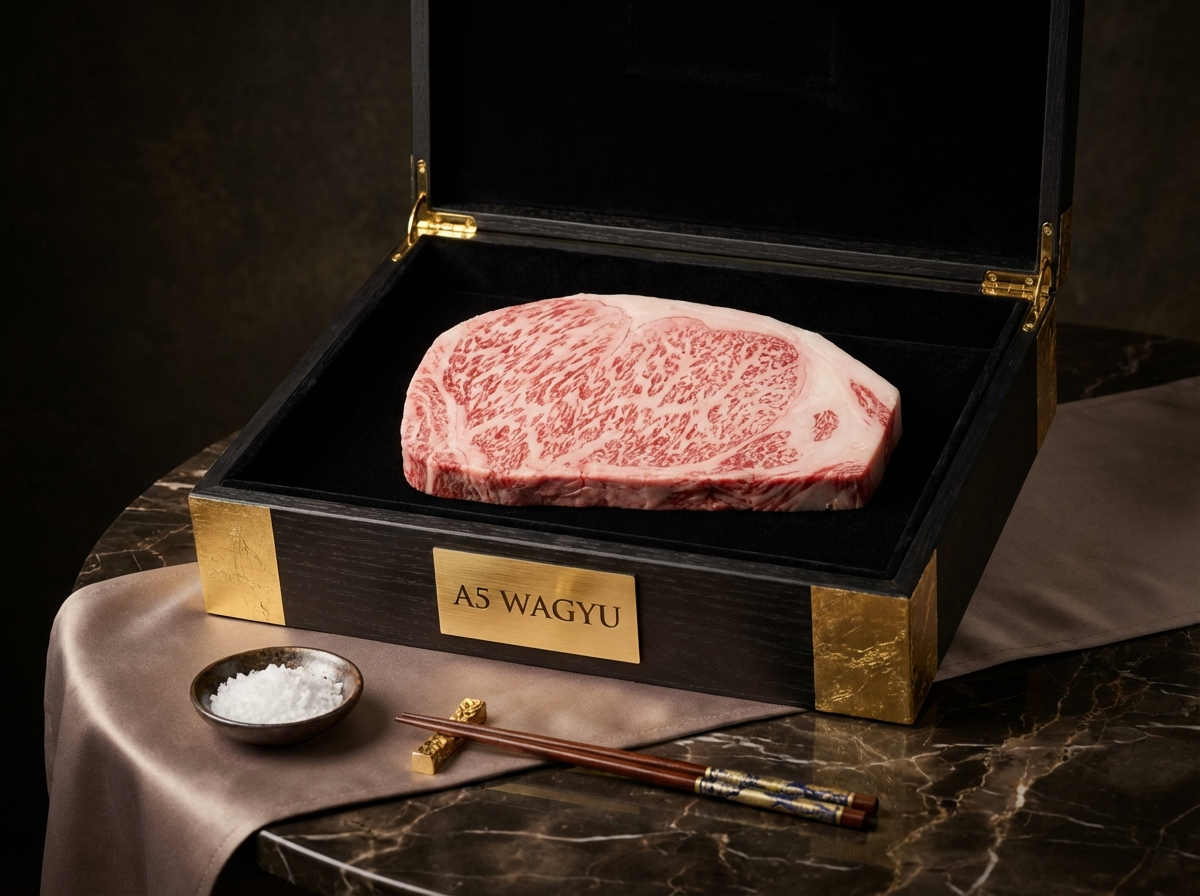
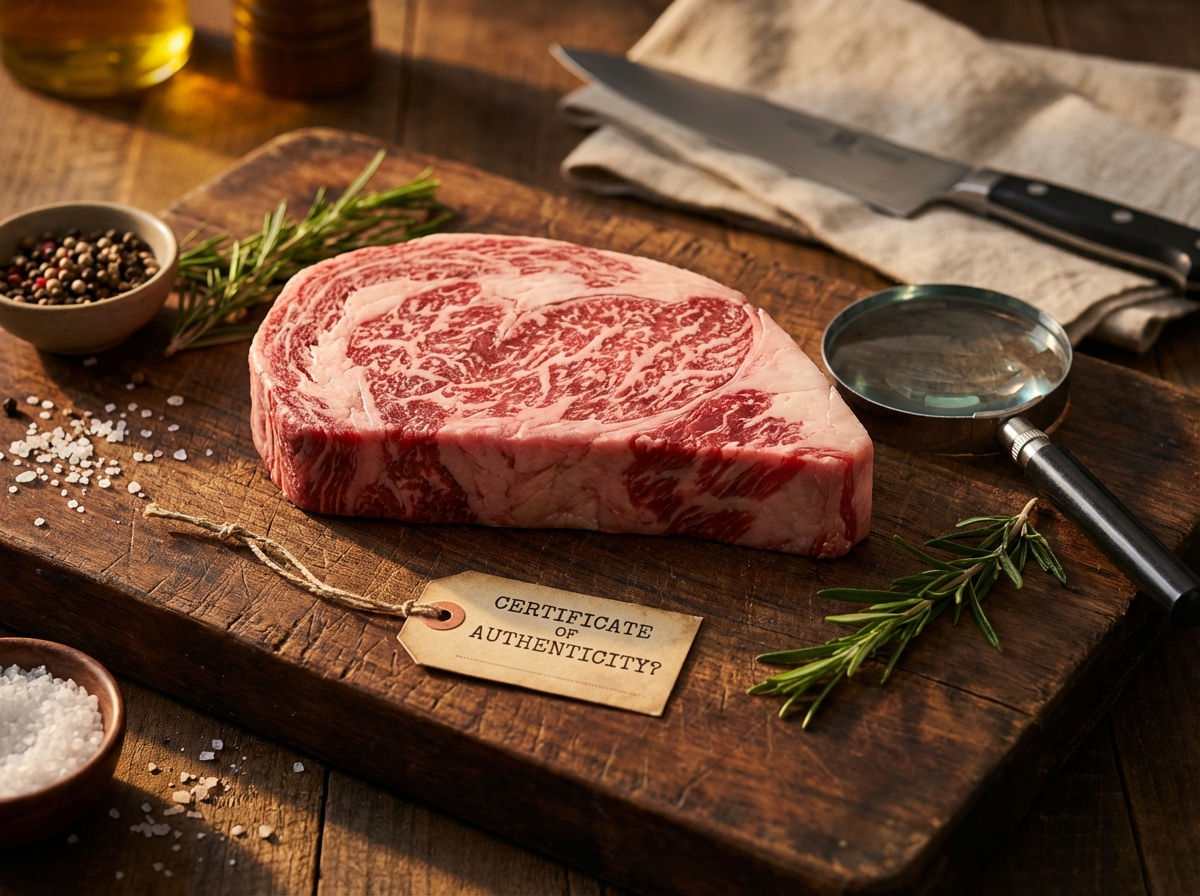
In Japan, wagyu is tightly defined: purebred cattle from specific Japanese breeds (primarily Japanese Black), raised in Japan, graded by the JMGA. The genetics have been isolated and refined for over 100 years.
In America, "wagyu" has no legal definition. Anyone can label beef as wagyu regardless of genetic percentage, breeding, or quality. This creates confusion and opportunities for misleading marketing.
The Genetics Reality
Most American Wagyu is F1 — a first-generation cross between a wagyu bull and an Angus cow. This means:
- 50% wagyu genetics
- 50% Angus genetics
- Reduced marbling potential compared to purebred
- Faster growth and better yield (why producers like it)
Some American producers raise Fullblood (100%) or Purebred (93.75%+) wagyu, but this is rare and expensive. If a product just says "American Wagyu" without specifying genetics, assume F1.
Does It Matter?
Arguments that American Wagyu is "real" wagyu:
- Contains documented wagyu genetics
- Produces enhanced marbling vs regular beef
- Requires specialized breeding and feeding
- Offers genuine quality improvement
Arguments that it's not "real" wagyu:
- Genetics are diluted (often 50%)
- Cannot achieve Japanese marbling levels
- No standardized grading or certification
- Often misleadingly marketed
My Take
American Wagyu is its own product category. It's better than USDA Prime but different from Japanese A5 — not a cheaper substitute, but a different experience entirely.
The problem isn't American Wagyu itself; it's the marketing that implies equivalence to Japanese Wagyu. A $50/lb American Wagyu steak can be excellent. It just shouldn't be presented as comparable to $200/lb A5.
The bottom line: American Wagyu is real wagyu genetics in American beef. It's a legitimate product. Just understand what you're buying and pay accordingly.