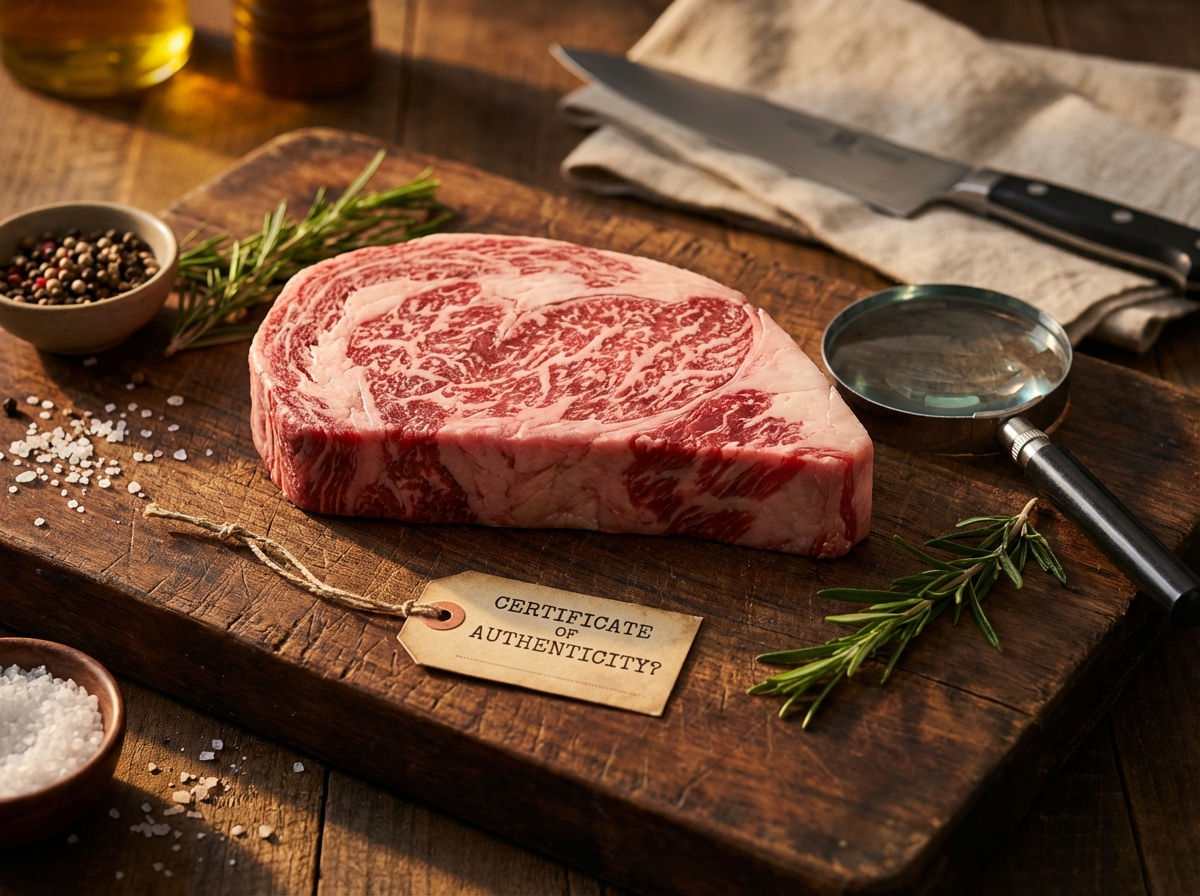
Why Is Japanese Wagyu So Expensive? The Real Costs Explained
Breaking down exactly why A5 Japanese Wagyu costs $150-250/lb — and whether those costs are justified.
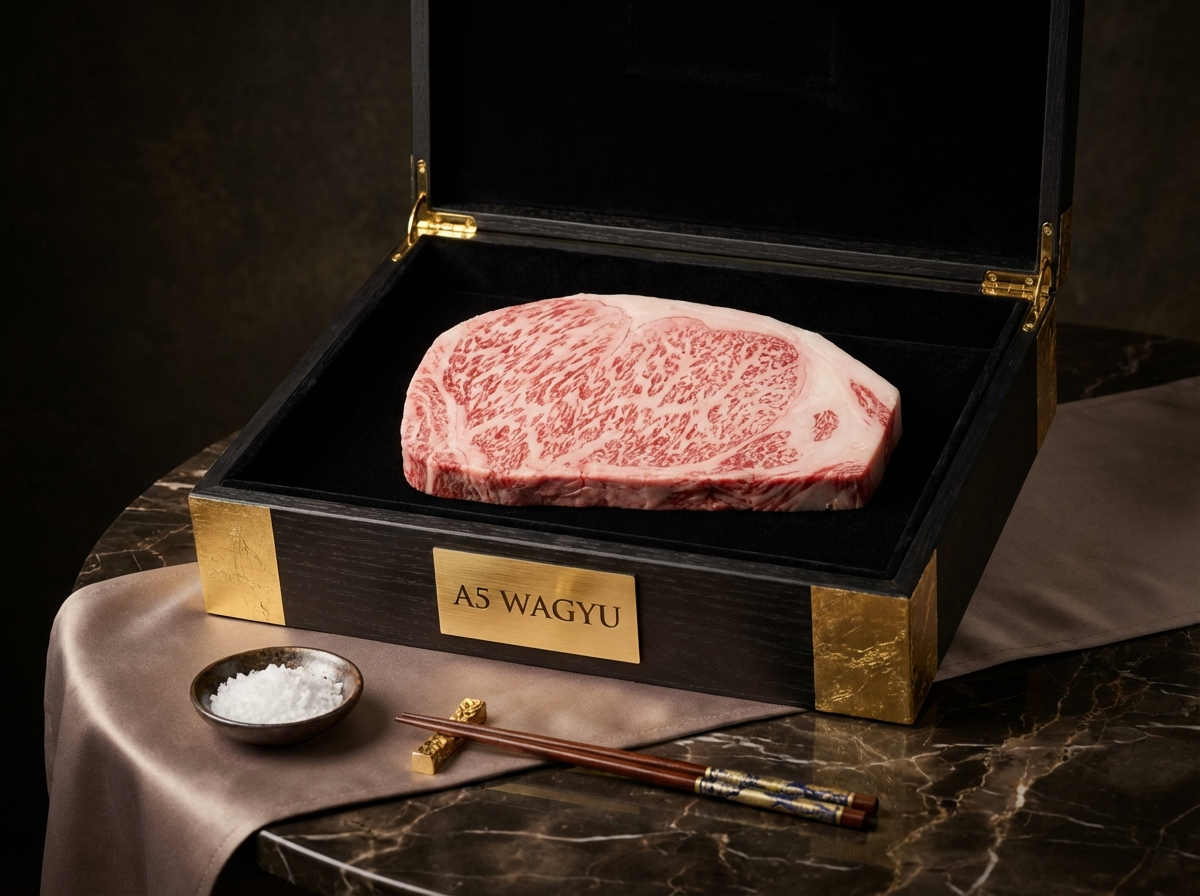
Production Costs in Japan
Genetics: Japanese Wagyu bloodlines are closely guarded. Bulls with exceptional genetics sell for hundreds of thousands of dollars. Breeders pay significant premiums for top-line genetics.
Feeding Program: Wagyu cattle are grain-fed for 28-36 months — about 3x longer than commodity beef (120-150 days). Each animal consumes tons of specialized feed blending corn, wheat, rice straw, and other ingredients. Feed alone costs $10,000+ per animal.
Labor and Care: Small-scale production with individual attention. Some farms have 50-100 cattle, not thousands. Daily monitoring, low-stress environments, and careful handling add labor costs.
Time: Japanese Wagyu reach slaughter weight at 30+ months vs 15-18 months for conventional cattle. More time means more cost — feed, labor, facilities, and capital tied up longer.
Import and Distribution
Tariffs: Japan beef imports face significant tariffs entering the US.
Inspection and Certification: Each carcass is graded, certified, and documented. Import requires USDA-approved facilities and inspection.
Cold Chain: Frozen or chilled transport from Japan to US distribution maintains quality but costs significantly.
Markup Chain: Importer → distributor → retailer. Each adds margin. A5 that costs $80/lb in Japan may reach $180/lb retail in the US.
Supply Constraints
Japan produces about 500,000 wagyu cattle annually — for domestic consumption AND export. A5 is the top tier, a fraction of that. The US produces 30 million cattle annually.
Limited supply + global demand = premium pricing. Japan could produce more but chooses to maintain quality standards that limit volume.
Is It Worth It?
The costs are real, but here's the honest truth: part of the price is scarcity value and prestige, not just production cost.
A5 at $150/lb is expensive because it's rare and coveted, not just because it costs that much to produce.
Worth it if:
- You appreciate ultra-premium food experiences
- You're serving small portions (2-4 oz)
- This is a special occasion
- You understand you're paying for rarity
Not worth it if:
- You want a traditional steak dinner
- You'd eat 8-16 oz portions
- The prestige factor doesn't matter to you
- Australian Fullblood would satisfy you at 60% of the cost
The price is justified by market realities, but that doesn't mean A5 is right for every situation.