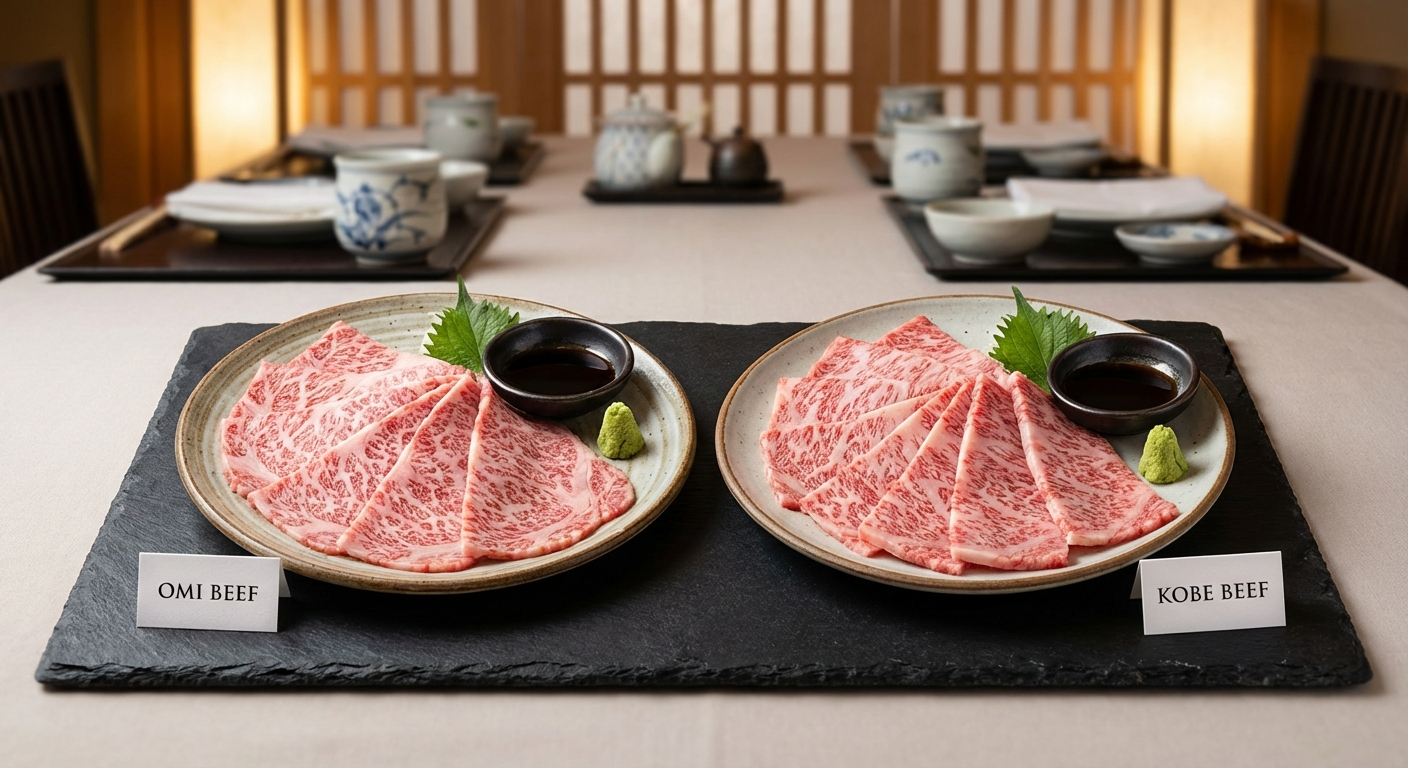
American Wagyu vs Kobe Beef: What You Need to Know Before Buying
American Wagyu and Kobe beef represent two completely different products despite sharing Japanese genetics. This guide breaks down the breeding, grading, price, and quality differences so you know exactly what you're buying.
The terms "American Wagyu" and "Kobe beef" get thrown around interchangeably in marketing — but they're not even close to the same product. One is a crossbreed raised in the US with varying marbling scores. The other is a highly regulated Japanese designation with strict genetics, geography, and grading requirements that fewer than 15,000 cattle per year meet worldwide.
If you're spending $50-250/lb on premium beef, you deserve to know exactly what differentiates American Wagyu from authentic Kobe, why the price gap exists, and which delivers better value for your money.
This guide cuts through the confusion with side-by-side comparisons of genetics, grading, certification, flavor, and real-world pricing so you can make informed buying decisions.
The Core Difference: Genetics and Origin
The fundamental distinction between American Wagyu and Kobe beef starts with breeding and geography.
American Wagyu Genetics
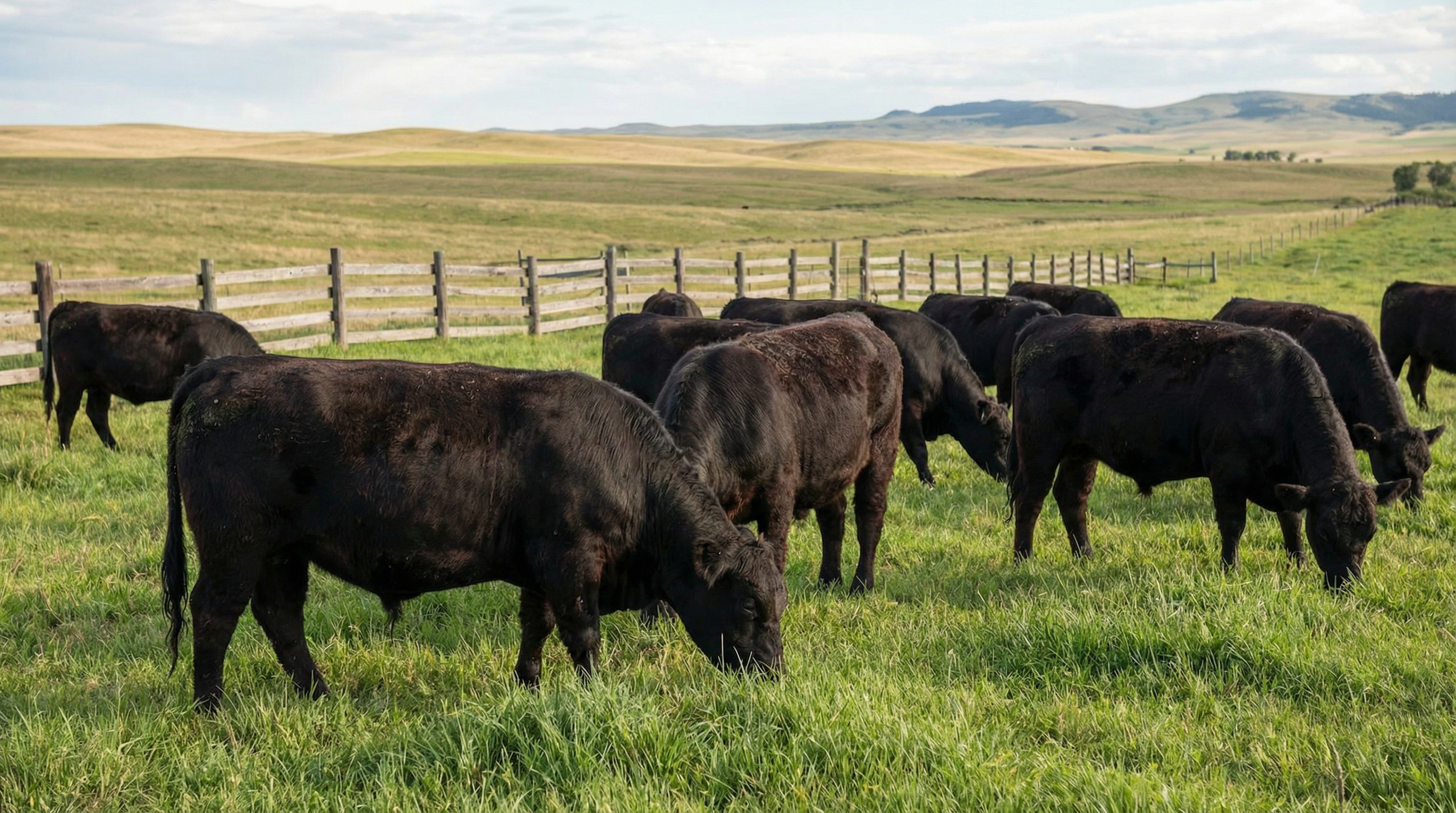
American Wagyu is typically a crossbreed of Japanese Black cattle (Wagyu) and American Angus cattle. The most common mix is an F1 cross — 50% Japanese genetics, 50% Angus genetics.
Breeding structure:
- F1 (First Filial): 50% Wagyu × 50% Angus — the most common American Wagyu you'll encounter
- F2 and beyond: Further crossbreeding to increase Wagyu percentage (75%, 87.5%, etc.)
- Purebred: 93.75%+ Wagyu genetics maintained through careful crossbreeding
- Fullblood: 100% Japanese Wagyu genetics with verified pedigree lineage
Most American Wagyu sold in retail and restaurants is F1 or F2 crossbreed. This gives you more marbling than conventional Angus (BMS 4-7 range) while maintaining the firmer texture and beefy flavor Americans expect.
A small number of American producers raise 100% Fullblood Wagyu using imported Japanese genetics. These cattle can achieve BMS 8-10+ marbling — approaching Kobe levels — but they're significantly more expensive ($100-150/lb) and represent a tiny fraction of "American Wagyu" production.
Kobe Beef Genetics and Geography
Kobe beef is not a breed — it's a geographic designation with strict genetic and production requirements. Think of it like Champagne: only sparkling wine from the Champagne region of France can be called Champagne. Only beef that meets all Kobe requirements can be called Kobe.
Kobe requirements:
- Breed: 100% purebred Tajima-gyu cattle (a strain of Japanese Black)
- Birthplace: Must be born, raised, and processed in Hyogo Prefecture, Japan
- Marbling score: BMS 6 or higher (equivalent to A4 or A5 grade)
- Weight range: Carcass weight between 470-470kg (roughly 1,036-1,036 lbs — yes, narrow window)
- Quality grade: Must achieve yield grade A or B and meat quality score 4 or 5
- Certification: Individual 10-digit ID number traceable to birth records
Only about 3,000-5,000 head of cattle per year meet all Kobe requirements. That's why real Kobe beef is rare and expensive — it's a tiny, tightly controlled supply from one prefecture in Japan.
American Wagyu has no geographic restrictions, no mandatory minimum BMS, and significantly broader genetic variation. It's a spectrum of products ranging from "slightly better than Prime Angus" to "nearly as good as Japanese A5."
Marbling: BMS Scores and Visual Differences
The single biggest quality indicator for both American Wagyu and Kobe beef is marbling score — the density and distribution of intramuscular fat.
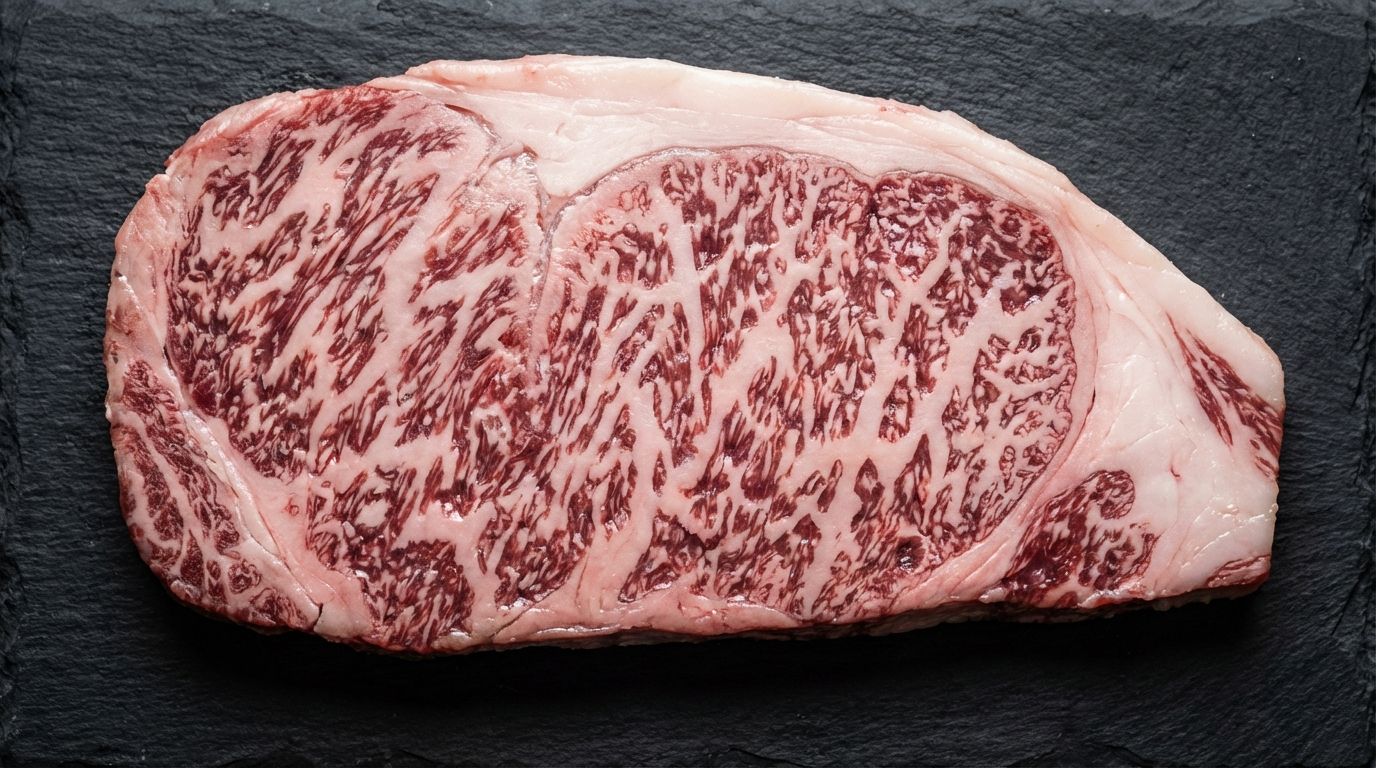
American Wagyu Marbling Range
| Type | BMS Range | Visual Description |
|---|
| F1 Crossbreed (50/50) | BMS 4-6 | Visible white marbling throughout, moderate fat webbing |
| F2+ Crossbreed (75%+) | BMS 5-7 | Denser marbling, finer fat distribution |
| Fullblood American | BMS 7-10 | Intense marbling approaching Japanese A5 levels |
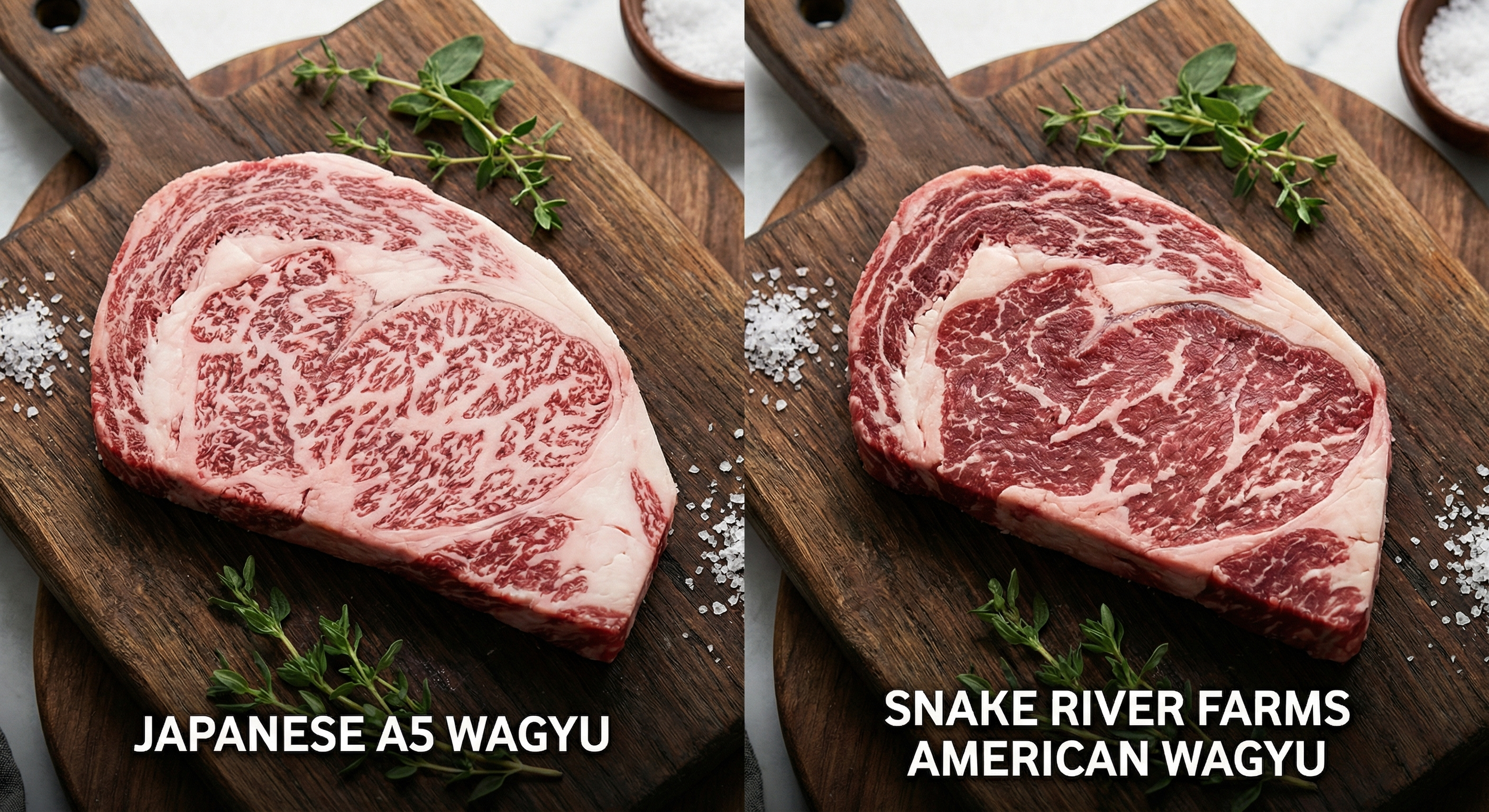
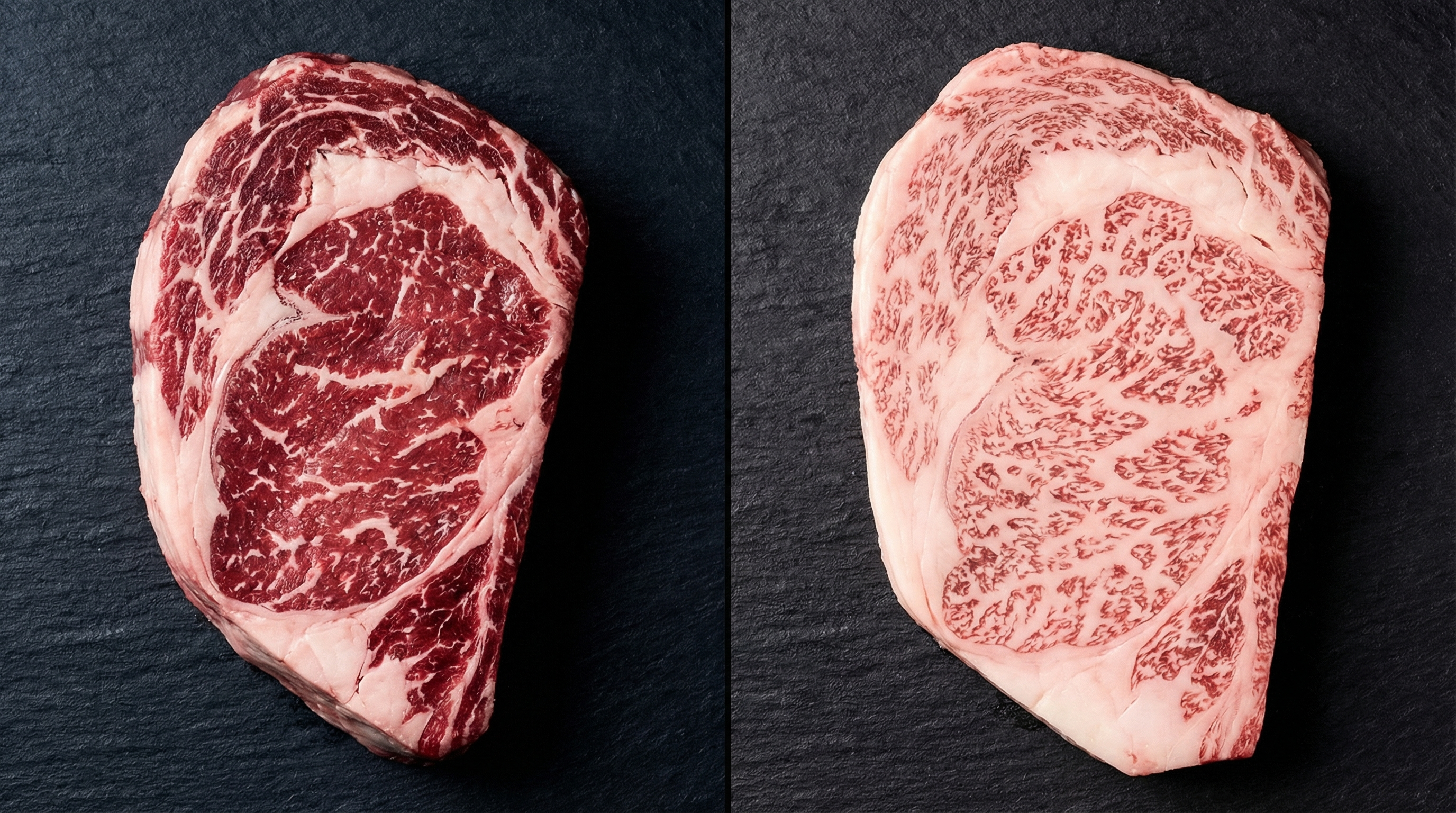
The variability in American Wagyu is huge. An F1 ribeye at BMS 5 looks noticeably different from a Fullblood ribeye at BMS 9. When buying American Wagyu, always verify the BMS score — if the seller doesn't list it, you're gambling on quality.
Kobe Beef Marbling Baseline
Kobe beef has a minimum requirement of BMS 6, but most Kobe cattle grade significantly higher:
| Kobe Grade | BMS Range | Percentage of Kobe Production |
|---|
| A4 | BMS 6-7 | ~15% |
| A5 | BMS 8-12 | ~85% |
The majority of Kobe beef achieves BMS 9-12 — levels that very few American Wagyu producers can match. When you see the intricate, lace-like fat webbing of BMS 11+ Kobe, the meat appears almost white with thin red veins — a pattern that's virtually impossible with crossbreed genetics.
Bottom line: Low-end Kobe (BMS 6) overlaps with top-tier American Wagyu F1 (BMS 6), but average Kobe (BMS 9-10) significantly exceeds what most American Wagyu delivers.
Certification and Authenticity: How to Verify What You're Buying
The terms "American Wagyu" and "Kobe beef" carry vastly different levels of regulatory oversight.
American Wagyu: Self-Regulated Labeling
In the United States, "Wagyu" is not a legally protected term. Any producer can label beef "American Wagyu" or "Wagyu-style" without meeting specific genetic or quality thresholds. This creates significant variation in what you're actually buying.
What to verify when buying American Wagyu:
- BMS score: Reputable sellers provide the actual marbling score (1-12 scale)
- Genetics: F1, F2, Purebred, or Fullblood designation
- Origin: Ranch name and location (traceability signal)
- Third-party grading: USDA grading or independent marbling certification
High-quality American Wagyu producers are transparent about genetics and provide BMS scores. If a retailer simply says "Wagyu" or "Wagyu-style" without specifics, you're likely paying a premium for low-end crossbreed beef that's barely better than USDA Prime.
Kobe Beef: Strict Certification and Traceability
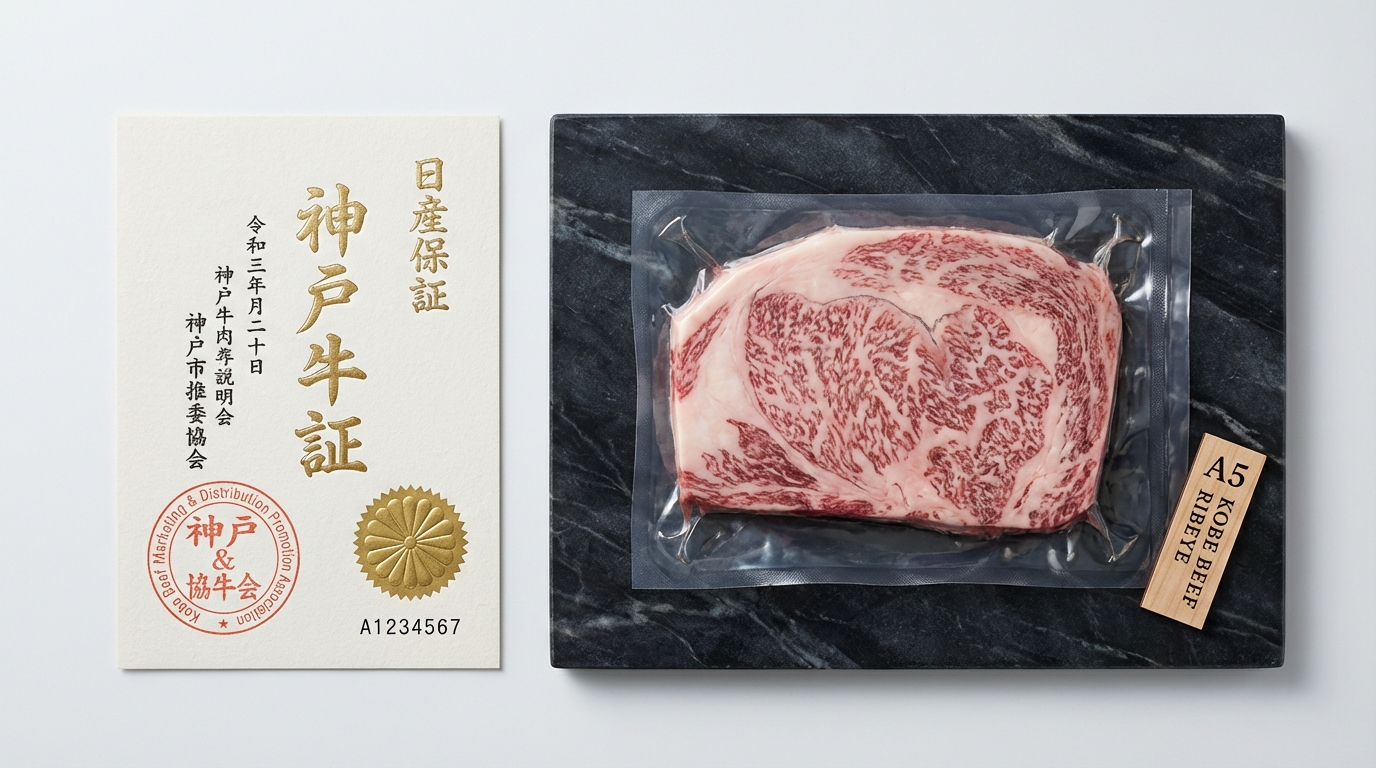
Kobe beef sold in the US must include:
- 10-digit individual ID number traceable to birth records in Hyogo Prefecture
- Official Kobe Beef certificate from the Kobe Beef Marketing & Distribution Promotion Association
- Chrysanthemum seal indicating authentic Kobe designation
- Import documentation showing customs clearance and USDA inspection
You can verify any Kobe ID number online through the official Kobe Beef Distribution Promotion Council database. Real Kobe beef is fully traceable from birth to your plate.
Warning: Many restaurants advertise "Kobe-style" or "Kobe burger" using American Wagyu. This is misleading marketing — unless the restaurant provides the 10-digit ID and certificate, it's not real Kobe.
Price Comparison: What You'll Actually Pay in 2026
Price differences reflect genetics, production scale, and import logistics.
American Wagyu Pricing by Cut
| Cut | F1 Crossbreed (BMS 4-6) | Fullblood (BMS 8-10) |
|---|
| Ribeye | $40-$70/lb | $80-$130/lb |
| Strip Steak | $35-$60/lb | $70-$110/lb |
| Filet Mignon | $50-$90/lb | $100-$160/lb |
| Ground Beef | $12-$20/lb | $20-$35/lb |
Kobe Beef Pricing by Cut
| Cut | Price Range |
|---|
| Ribeye | $150-$250/lb |
| Strip Steak | $120-$200/lb |
| Filet Mignon | $200-$300/lb |
| Sirloin | $100-$160/lb |
Kobe beef costs 2-4x more than American Wagyu F1 crossbreed and 50-100% more than American Fullblood Wagyu for the same cut.
Why the Price Gap?
Kobe-specific costs:
- Limited supply: Only 3,000-5,000 cattle certified annually vs hundreds of thousands of American Wagyu cattle
- Import logistics: Air freight from Japan adds $15-30/lb
- Tariffs: US import duties on Japanese beef (4-26.4% depending on quota)
- Brand premium: Kobe is the most recognized wagyu brand globally — scarcity + prestige drive prices
American Wagyu advantages:
- No import costs: Domestic production keeps logistics cheap
- Scalable production: Crossbreeding is faster and cheaper than purebred Japanese cattle
- No geographic constraints: Can be raised anywhere in the US
Flavor and Eating Experience: How They Actually Taste
Marbling scores don't tell the whole story — the eating experience differs meaningfully between American Wagyu and Kobe beef.
American Wagyu F1 (BMS 4-6)
Flavor: Rich and beefy with buttery undertones. The Angus genetics preserve that classic steak flavor Americans love while the Wagyu genetics add smoothness and fat sweetness.
Texture: Tender but with enough structure to feel like a traditional steak. The crossbreed maintains some muscle firmness — you can cut a 12oz portion and not feel overwhelmed.
Fat rendering: Moderate. The marbling melts during cooking, lubricating the meat without becoming greasy. You can cook it like a Prime Angus steak — medium-rare on a hot grill works beautifully.
Ideal for: People who want better-than-Prime Angus quality without the extreme richness of Japanese beef. Traditional American steak lovers upgrading from Prime.
American Fullblood Wagyu (BMS 8-10)
Flavor: Intensely rich with pronounced umami and fat sweetness. Closer to Japanese A5 than to Angus — the beefy notes are softer, the buttery fat dominates.
Texture: Melt-in-your-mouth tender with minimal chew. The high marbling creates a luxurious, almost creamy mouthfeel similar to high-end Japanese wagyu.
Fat rendering: High. Requires careful cooking to avoid overwhelming richness. Best served in smaller portions (6-8oz) rather than 12-16oz American-style steaks.
Ideal for: Wagyu enthusiasts who want Japanese A5 quality at domestic prices. Comparable eating experience to mid-tier Japanese A5 (BMS 8-9) at 40-60% of the cost.
Kobe Beef A5 (BMS 9-12)
Flavor: Decadent, buttery, almost sweet with deep umami complexity. The fat itself has flavor — nutty, slightly fruity notes that you don't get from conventional beef. The beef flavor is present but subtle, overpowered by the intramuscular fat.
Texture: Extraordinarily tender — literally melts at body temperature. The BMS 10+ marbling creates a texture more akin to premium tuna belly (toro) than traditional steak. Some describe it as "eating velvet."
Fat rendering: Extreme. The fat-to-meat ratio is so high that you must serve tiny portions (3-5oz) to avoid palate fatigue. Overcooking or serving large portions turns luxurious into greasy.
Ideal for: Special occasions, culinary exploration, experiencing the absolute peak of what beef can be. Not an everyday steak — it's an indulgence that demands respect and small portions.
Which Tastes Better?
This is the wrong question. They're optimized for different preferences:
- If you want a recognizable steak experience with noticeable upgrade from Prime: American Wagyu F1 wins. It's more versatile, familiar, and you can eat a full portion.
- If you want to experience extreme marbling and luxury fat: Kobe A5 delivers something you can't get anywhere else. But it's not "better" in the traditional steak sense — it's a different category of indulgence.
- If you want the best of both worlds: American Fullblood Wagyu (BMS 8-10) splits the difference — intense marbling without completely abandoning traditional beef flavor and texture.
Cooking Methods: How to Handle Each Properly
American Wagyu F1 (BMS 4-6)
Cook it like Prime Angus — these cattle were bred to work with American grilling habits:
- Grilling: High heat, 2-3 minutes per side for medium-rare. The moderate fat won't cause excessive flare-ups.
- Pan-searing: Cast iron at 400-450°F. Develop a crust, finish in oven if thick-cut.
- Portion size: 10-14oz steaks work great — you can eat a full American-sized portion.
- Seasoning: Salt, pepper, maybe garlic. The beef flavor is strong enough to handle bold seasonings.
Kobe Beef A5 (BMS 9-12)
Requires a completely different approach:
- Slice thin: 1/4-inch slices rather than thick steaks. The richness demands smaller portions.
- High heat, short time: 30-60 seconds per side maximum. You're searing the surface, not cooking through — the fat renders instantly.
- Cast iron or teppanyaki: High-heat flat surface works better than grilling (prevents fat dripping and flare-ups).
- Portion size: 3-5oz total per person. Serve as part of a multi-course meal, not as a standalone 12oz steak.
- Seasoning: Salt only. The fat has its own flavor — additional seasonings muddy the experience.
Overcooking Kobe past medium-rare turns $200/lb beef into an oily, unpleasant mess. Respect the fat content or it will punish you.
Best Value: Which Should You Buy?
Value depends on what you're optimizing for — versatility, special occasions, or exploring peak marbling.
Best Everyday Upgrade: American Wagyu F1 Ground Beef ($12-20/lb)
This is the single best entry point into wagyu. At $15/lb, you get dramatically better burgers than conventional Angus ground at $8/lb. The extra fat keeps burgers juicy, the flavor is noticeably richer, and the price premium is modest enough for regular use.
Best Special Occasion Steak: American Fullblood Wagyu Ribeye ($80-130/lb)
For anniversaries, birthdays, or celebrations, American Fullblood delivers 90% of the Kobe experience at 50-60% of the price. A 10oz Fullblood ribeye at BMS 9 gives you that intense marbling and melt-in-your-mouth texture without the $180/lb Kobe price tag.
Best Culinary Experience: Kobe Beef A5 (Once, At Least)
Every serious steak lover should try real Kobe A5 at least once. A 4oz portion costs $50-80 — comparable to a high-end steakhouse meal — but it's an unforgettable benchmark experience. You'll understand what BMS 10+ marbling actually means and whether you prefer it to traditional steak.
Best Weekly Premium: American Wagyu F1 Ribeye ($40-70/lb)
If you already buy USDA Prime ribeye at $35-45/lb, upgrading to American Wagyu F1 at $50-60/lb is a minor incremental cost for a meaningful quality jump. This is the sweet spot for regular premium steak buyers who want better marbling without going full Japanese A5.
Common Myths and Misconceptions
Myth: "American Wagyu is Fake Wagyu"
Reality: American Wagyu contains legitimate Japanese Wagyu genetics — it's just crossbred with Angus to suit American tastes and production economics. It's not "fake," it's a hybrid. The issue is transparency: sellers must disclose the crossbreed percentage (F1, F2, Fullblood) so buyers know what they're getting.
Myth: "Kobe Is Just Marketing Hype"
Reality: Authentic Kobe beef meets the strictest production and grading standards of any beef globally. The hype comes from restaurants mislabeling American Wagyu as "Kobe-style" — but real Kobe, with verified certification, delivers a genuinely unique eating experience that justifies premium pricing for special occasions.
Myth: "All Wagyu Is the Same"
Reality: "Wagyu" spans BMS 4 American F1 crossbreed at $40/lb to BMS 12 Kobe A5 at $250/lb. Without knowing genetics, BMS score, and origin, "wagyu" is a meaningless label. Always demand specific marbling scores and genetics before buying.
Myth: "You Can't Get Real Kobe in the US"
Reality: The US import ban on Japanese beef was lifted in 2012. Real Kobe beef is legally imported, USDA-inspected, and available from reputable retailers with full certification. You just need to verify the 10-digit ID and certificate to confirm authenticity.
Where to Buy: Reputable Sources for Both
For American Wagyu
- The Meatery: American Wagyu with BMS scores, genetic details, and full traceability
- Snake River Farms: Large-scale American Wagyu producer with consistent F1 quality
- Lone Mountain Wagyu: 100% Fullblood American Wagyu (BMS 9-11)
For Kobe Beef
- The Meatery: Certified Kobe beef with individual ID numbers and authentication certificates
- Holy Grail Steaks: Specializes in Japanese A5 imports including Kobe
- Crowd Cow: Verified Japanese Kobe with certification
Red flags when buying either:
- No BMS score listed (American Wagyu should always have one)
- No 10-digit ID for Kobe (it's mandatory for authenticity)
- "Kobe-style" or "Wagyu-style" wording (marketing euphemisms for non-certified beef)
- Prices that seem too good to be true ($30/lb "Kobe" is not Kobe)
Final Recommendation: Which Is Right for You?
Choose American Wagyu F1 if:
- You want an upgrade from USDA Prime without extreme richness
- You prefer traditional steak portions (10-14oz)
- You're buying for regular use, not just special occasions
- You like beefy flavor balanced with buttery fat
Choose American Fullblood Wagyu if:
- You want near-Japanese A5 quality at domestic prices
- You appreciate intense marbling and ultra-tender texture
- You're willing to pay premium prices ($80-150/lb) for peak American production
Choose Kobe Beef A5 if:
- You want to experience the absolute pinnacle of marbling (BMS 10-12)
- You're celebrating a major occasion and want something unforgettable
- You're a culinary enthusiast exploring world-class ingredients
- You understand that 3-5oz portions are correct and don't expect a 12oz steakhouse experience
There's no wrong choice — only the right beef for your budget, occasion, and taste preferences. American Wagyu delivers exceptional value for regular premium steak buyers. Kobe beef delivers an unmatched culinary experience when you're ready to explore the outer limits of what beef can be.
Buy with confidence, verify what you're getting, and enjoy the best beef the world has to offer.