Australian Wagyu vs Japanese Wagyu Price: Complete Cost Comparison Guide
A detailed price breakdown comparing Australian and Japanese wagyu across every grade and cut — plus what drives the cost difference and where to find the best value.
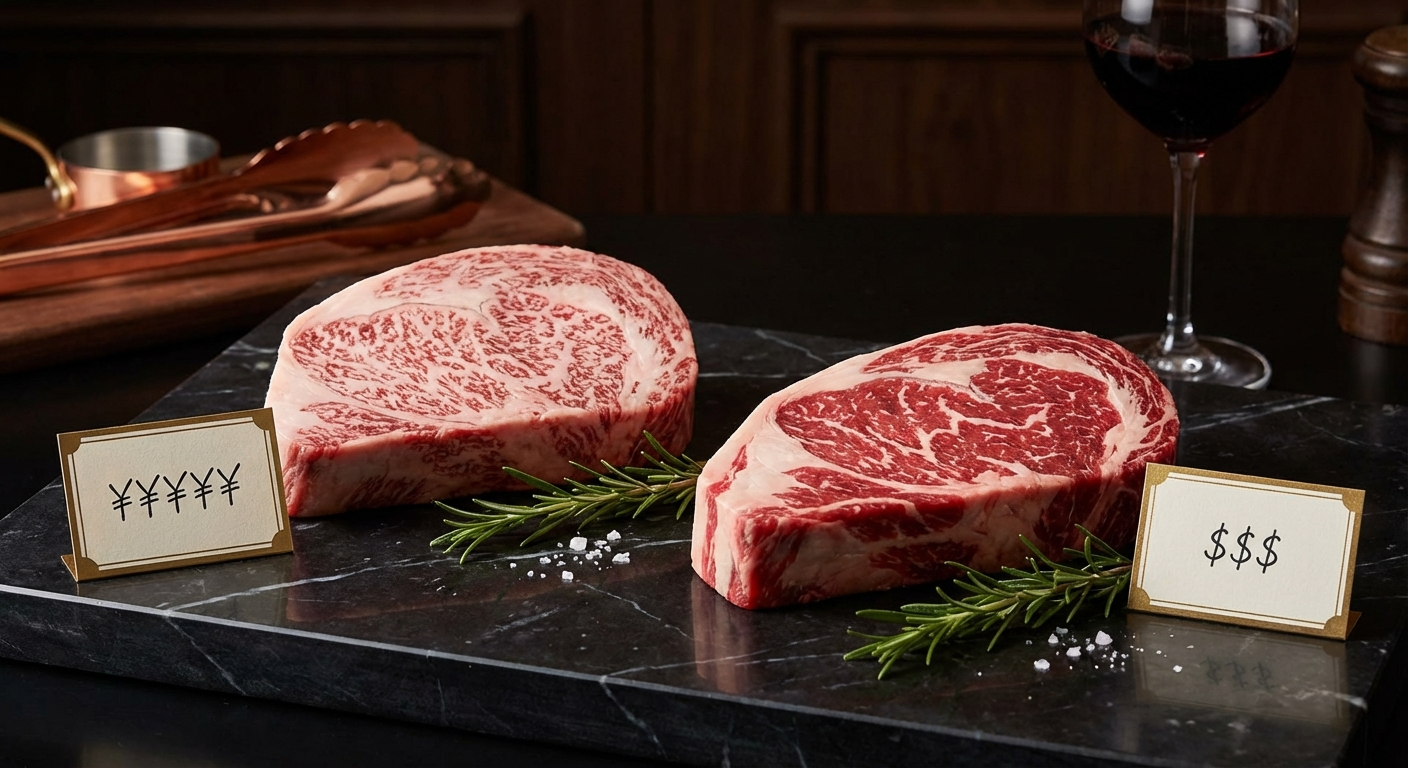
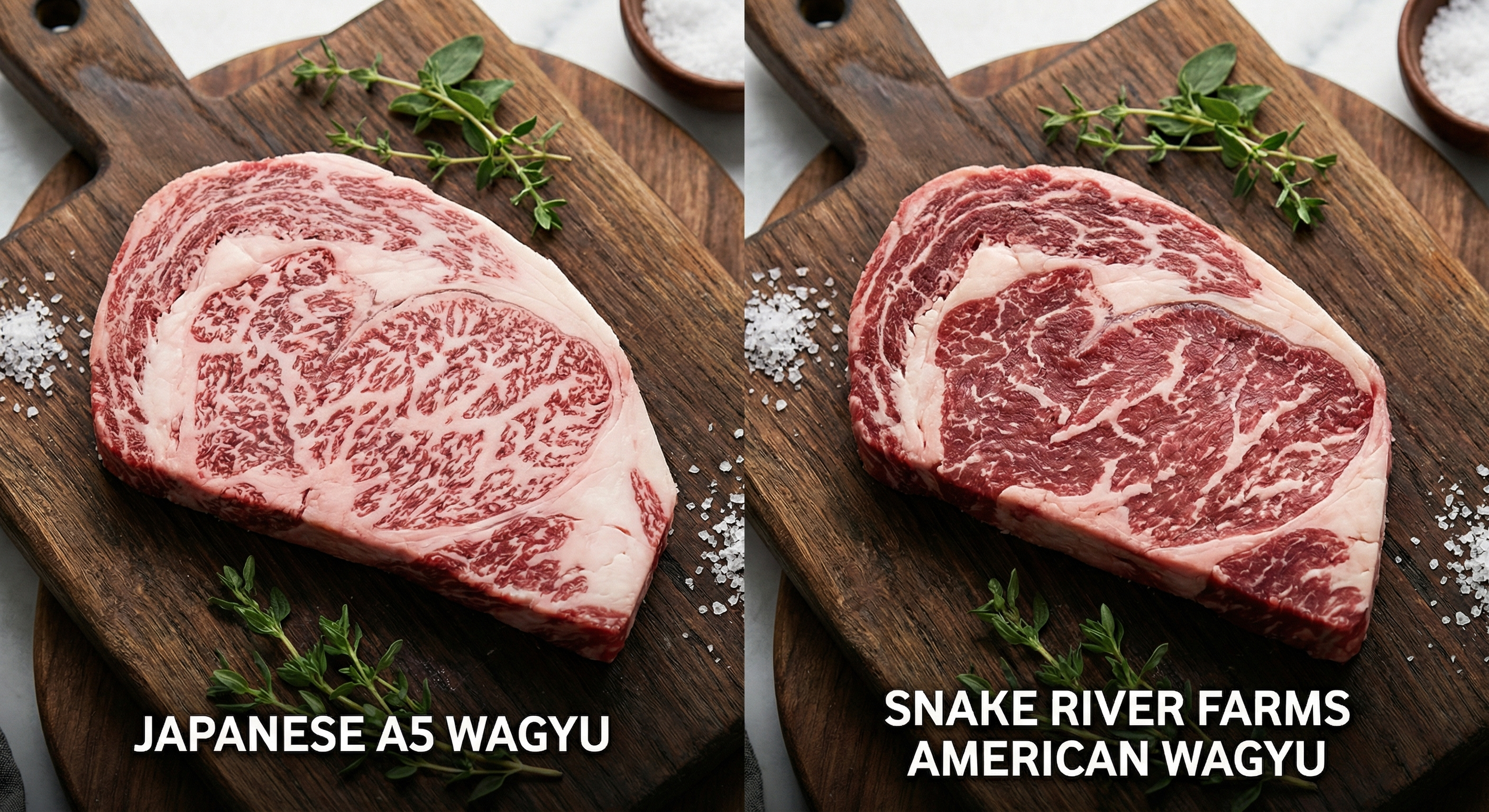
The price gap between Japanese and Australian wagyu can be enormous — or surprisingly small, depending on what you're comparing. A Japanese A5 ribeye might cost $200 per pound while an Australian Fullblood ribeye at comparable marbling runs $100-$140. But compare entry-level A5 (BMS 8) against top Australian Fullblood (MSA 9+), and the gap narrows to 20-30%.
Understanding exactly what drives these prices helps you make smarter purchases. This guide breaks down current market pricing for both origins across every major grade and cut.
2026 Price Overview: Japanese vs Australian Wagyu
Here are current retail prices for the most popular cuts, sourced from major US wagyu retailers including The Meatery:
| Cut | Japanese A5 (BMS 10-12) | Japanese A5 (BMS 8-9) | Australian Fullblood (MSA 9+) | Australian Fullblood (MSA 7-8) | Australian Crossbred (MSA 5-7) |
|---|
| Ribeye | $180-$250/lb | $120-$180/lb | $90-$150/lb | $55-$90/lb | $30-$55/lb |
| Striploin | $150-$220/lb | $100-$160/lb | $75-$130/lb | $45-$80/lb | $28-$50/lb |
| Tenderloin / Filet | $200-$300/lb | $150-$220/lb | $100-$170/lb | $60-$100/lb | $35-$60/lb |
| Flat Iron | $90-$140/lb | $70-$110/lb | $55-$90/lb | $35-$55/lb | $20-$35/lb |
| Chuck / Zabuton | $70-$120/lb | $50-$90/lb | $40-$70/lb | $25-$45/lb | $18-$30/lb |
| Ground | $45-$65/lb | $35-$50/lb | $25-$40/lb | $15-$25/lb | $10-$18/lb |
Key takeaway: Australian Fullblood at MSA 9+ costs roughly 40-50% less than comparable Japanese A5 at the same marbling level. Australian crossbred wagyu is a different tier entirely — closer to USDA Prime pricing with better marbling.
Why Japanese Wagyu Costs More
The price premium on Japanese wagyu isn't arbitrary. Several structural factors drive the higher cost:
1. Production Scale and Cost
Japanese wagyu farms are small by global standards. A typical operation runs 100-500 head of cattle, with individual attention given to each animal. Feed programs last 28-32 months using proprietary grain mixes that often include rice straw, barley, corn, and specialty supplements. Labor costs in Japan are high, and land is expensive and limited.
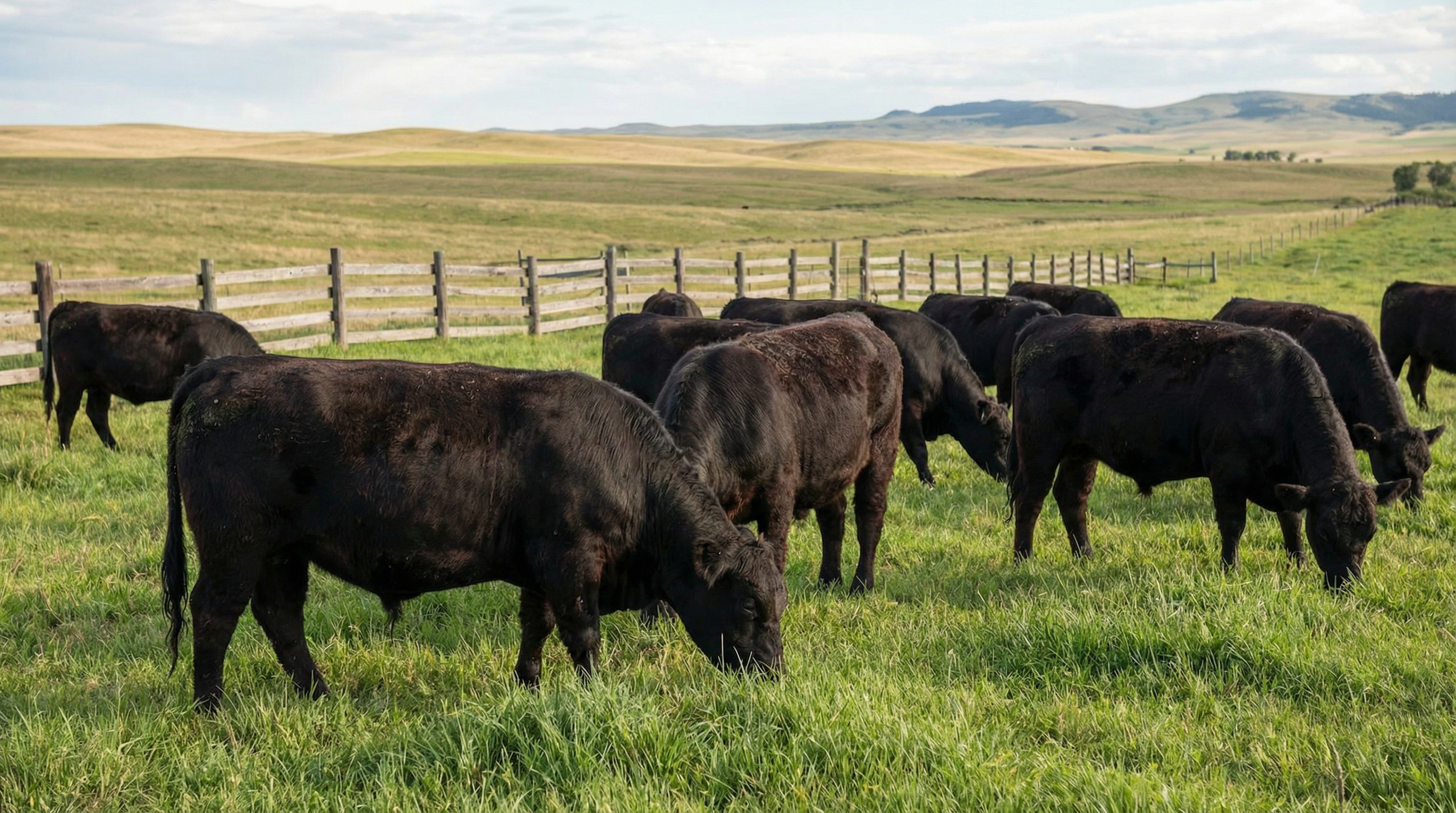
Australian operations are significantly larger — premium producers run 2,000-10,000 head. This economy of scale reduces per-unit costs for feed, labor, and infrastructure. Australian land costs are dramatically lower, and the grain-finishing period, while still long (24-30 months for Fullblood programs), uses locally sourced feeds at lower cost.
2. Import and Logistics Costs
Japanese wagyu reaches the US market via frozen air freight — expensive and capacity-limited. Import duties, USDA inspection requirements, and cold chain logistics add $15-25 per pound to the landed cost before any retail markup.
Australian wagyu benefits from established export infrastructure, more efficient sea freight options, and existing trade agreements. The logistics cost adds roughly $5-12 per pound — half what Japanese imports cost.
3. Supply Constraints
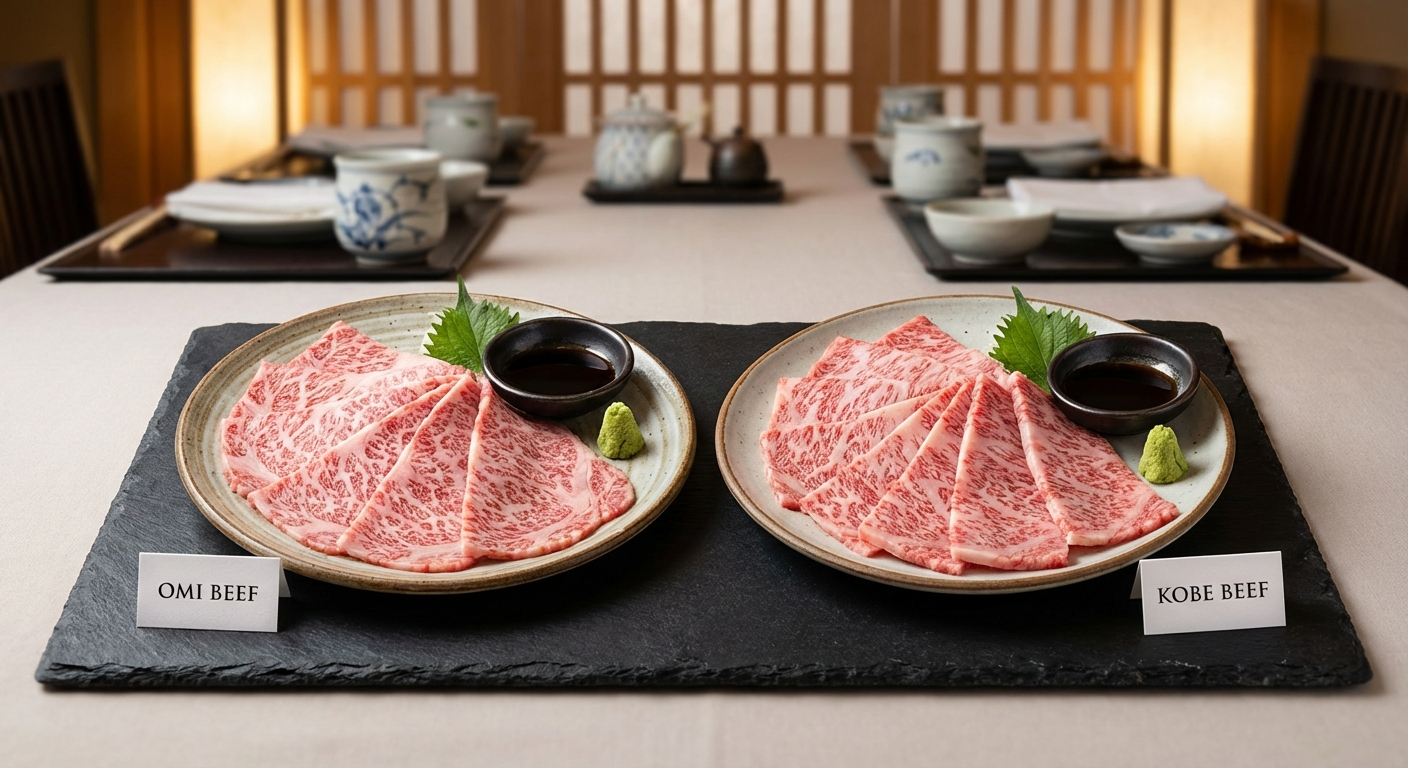
Japan exports a small fraction of its total wagyu production. Domestic demand absorbs most output, and export quotas limit international availability. When supply is constrained, prices rise. Premium cuts from top prefectures (Kobe, Matsusaka, Omi) face especially tight supply.
Australia has actively built its wagyu export industry and can scale production more flexibly. While top Fullblood producers still have limited output, overall supply is more elastic than Japan's.
4. Brand Premium and Heritage
Japanese A5 carries cultural cachet and decades of reputation. The "A5" designation, prefecture branding (Kagoshima, Miyazaki, Kobe), and certification systems create perceived value that supports premium pricing. You're buying provenance and tradition alongside the beef.
Australian wagyu, despite matching Japanese quality at the top end, doesn't carry the same brand recognition. This works in the buyer's favor — you often get equivalent quality at a lower price because the marketing premium is smaller.
Price Per Serving: The Real Comparison
Raw per-pound pricing is misleading because serving sizes differ dramatically between the two:
| Type | Typical Serving | Price per Serving (Ribeye) |
|---|
| Japanese A5 (BMS 10-12) | 3-4 oz | $34-$63 |
| Japanese A5 (BMS 8-9) | 4-5 oz | $30-$56 |
| Australian Fullblood (MSA 9+) | 5-6 oz | $28-$56 |
| Australian Fullblood (MSA 7-8) | 6-8 oz | $21-$45 |
| Australian Crossbred (MSA 5-7) | 8-12 oz | $15-$41 |
The real insight: When you compare price per serving rather than price per pound, the gap between Japanese A5 and Australian Fullblood narrows significantly. Japanese A5's extreme richness means you eat less per sitting, which partially offsets the higher per-pound cost.
Grade-by-Grade Price Breakdown
Top Tier: Japanese A5 BMS 11-12 vs Australian Fullblood MSA 1000+
This is the ultra-premium comparison. Japanese A5 at peak marbling (BMS 11-12) runs $180-$300 per pound depending on cut. Only a handful of Australian producers (Blackmore, Mayura Station) consistently hit MSA 1000+ — their comparable cuts run $120-$200 per pound.
Price gap: 30-40%
Quality gap: Minimal. At this level, the difference is flavor profile (Japanese = sweeter, more delicate; Australian = richer, more robust) rather than quality. Both deliver an extraordinary eating experience.
Mid Tier: Japanese A5 BMS 8-9 vs Australian Fullblood MSA 800-900
This is where the comparison gets interesting. Entry-level A5 (BMS 8-9) runs $100-$180 per pound. Australian Fullblood at MSA 800-900 (equivalent marbling) runs $55-$130 per pound.
Price gap: 35-45%
Quality gap: Small. Australian Fullblood at this grade is excellent wagyu by any standard. The Japanese product has slightly more refined fat quality, but the Australian delivers more assertive beef flavor that many diners prefer.
Value Tier: Australian Crossbred MSA 5-7
There's no direct Japanese equivalent here. Australian crossbred wagyu (F1 or F2 genetics, MSA 5-7) fills the gap between USDA Prime and true wagyu. At $18-$55 per pound depending on cut, it's the most accessible "wagyu" category.
Value proposition: 2-3x the marbling of USDA Prime at 1.5-2x the price. For everyday elevated cooking, this is where smart money goes.
Which Cuts Offer the Best Value?
Best Value: Japanese A5
- Zabuton (chuck flap): $50-$90/lb — delivers the full A5 experience at 40-50% less than ribeye
- Flat iron: $70-$110/lb — beautifully marbled, works for yakiniku and quick sear
- Ground A5: $35-$50/lb — make A5 wagyu tartare or the world's best burger
Best Value: Australian Wagyu
- Fullblood tri-tip: $40-$65/lb — exceptional marbling, versatile cut, underpriced relative to quality
- Fullblood flat iron: $35-$55/lb at MSA 7-8, this rivals entry A5 for half the price
- Crossbred ribeye: $30-$55/lb — the best "everyday wagyu" option on the market
Restaurant vs Retail Pricing
Restaurant markups on wagyu are significant — typically 3-5x the retail price. A Japanese A5 portion that retails for $40-$60 will cost $120-$250 on a restaurant menu. Australian wagyu sees similar markups.
Cost-saving tip: Buy premium wagyu retail and cook at home. A5 wagyu requires almost no culinary skill — season with salt, sear for 60-90 seconds per side on screaming-hot cast iron. You'll get the same quality at 25-30% of the restaurant price.
Trusted retailers like The Meatery ship frozen wagyu nationwide with full traceability — BMS scores, prefecture of origin, and certificates of authenticity on every Japanese cut.
Price Trends: Where the Market Is Heading
Several trends are shaping wagyu pricing in 2026:
- Japanese A5 prices are stable to rising. Japan's domestic demand remains strong, export supply hasn't increased meaningfully, and the weak yen (which briefly made exports cheaper) has partially recovered. Don't expect Japanese A5 prices to drop.
- Australian Fullblood is the growth story. Producers are expanding Fullblood herds, and quality keeps improving. More competition at the top end should keep Fullblood prices stable even as quality rises. This is increasingly the best value in ultra-premium beef.
- Crossbred Australian wagyu is getting cheaper. As more producers enter the market and genetics improve, MSA 5-7 crossbred wagyu is becoming increasingly accessible. Expect this category to compete more directly with USDA Prime on price.
Red Flags: When Wagyu Prices Don't Add Up
If the price seems too good, it probably is:
- "A5 Wagyu" ribeye under $80/lb — Almost certainly mislabeled or not genuine A5
- "Australian Wagyu" ribeye under $20/lb — Likely very low-percentage crossbred or not wagyu at all
- Restaurant "Wagyu" at mainstream prices — If the wagyu burger is $18, it's not real wagyu (or it's a tiny percentage in a blend)
- No grade or marbling score listed — Legitimate sellers always provide BMS or MSA scores. If they won't tell you, they're hiding something.
The Bottom Line: Which Should You Buy?
If money is no object: Japanese A5 BMS 11-12 from a top prefecture (Miyazaki, Kagoshima, Kobe) delivers the peak wagyu experience. Budget $180-$300/lb for premium cuts.
Best quality-to-price ratio: Australian Fullblood at MSA 9+ (BMS 9-10 equivalent). You get 85-90% of the Japanese A5 experience at 40-50% less. Budget $90-$150/lb for steaks.
Best everyday luxury: Australian crossbred wagyu at MSA 5-7. Better than any conventional steak at a reasonable premium. Budget $30-$55/lb for steaks.
Smart money move: Buy Japanese A5 secondary cuts (zabuton, flat iron) instead of ribeye. You get the A5 experience at significantly lower cost — and these cuts are often better suited to the thin-sliced, quick-sear preparation that showcases A5 marbling best.
Explore the full range of authentic Japanese and Australian wagyu at The Meatery, where every product lists its exact grade, BMS/MSA score, and origin.