How to Cook Angus vs Wagyu: Methods, Temperatures, and Tips for Each
Angus wagyu beef might share a grill, but they demand completely different techniques. Here is how to cook each one properly — from pan selection to resting time.
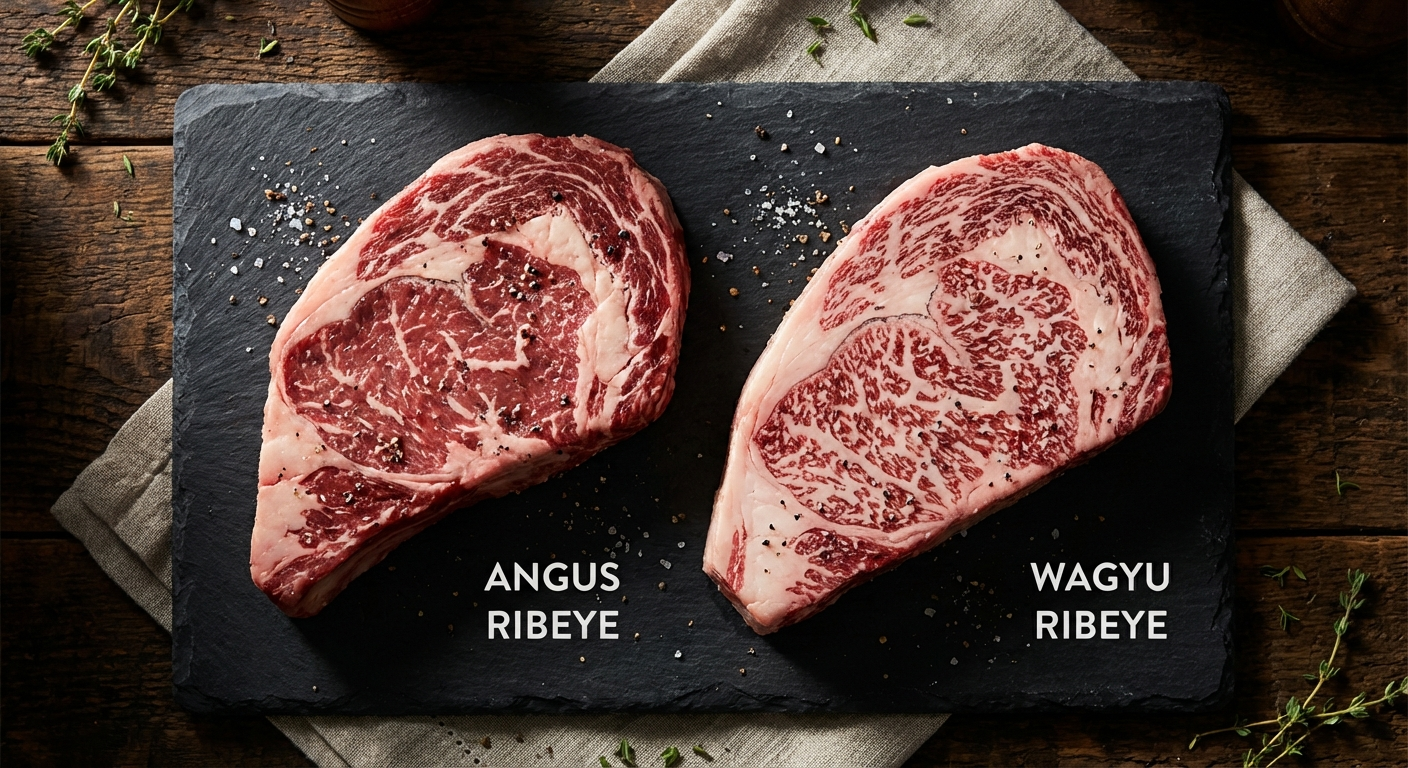
Angus and wagyu are both premium beef, but treating them the same in the kitchen is a guaranteed way to ruin at least one of them. Their fat content, marbling structure, and muscle fiber composition create fundamentally different cooking challenges. What works perfectly for a thick-cut Angus ribeye will turn an A5 wagyu strip into a greasy, overcooked disaster.
This guide breaks down exactly how to cook each one — the methods that work, the temperatures that matter, and the mistakes that waste your money.
Why Angus and Wagyu Cook Differently
The difference comes down to fat — specifically, where it is and how much there is.
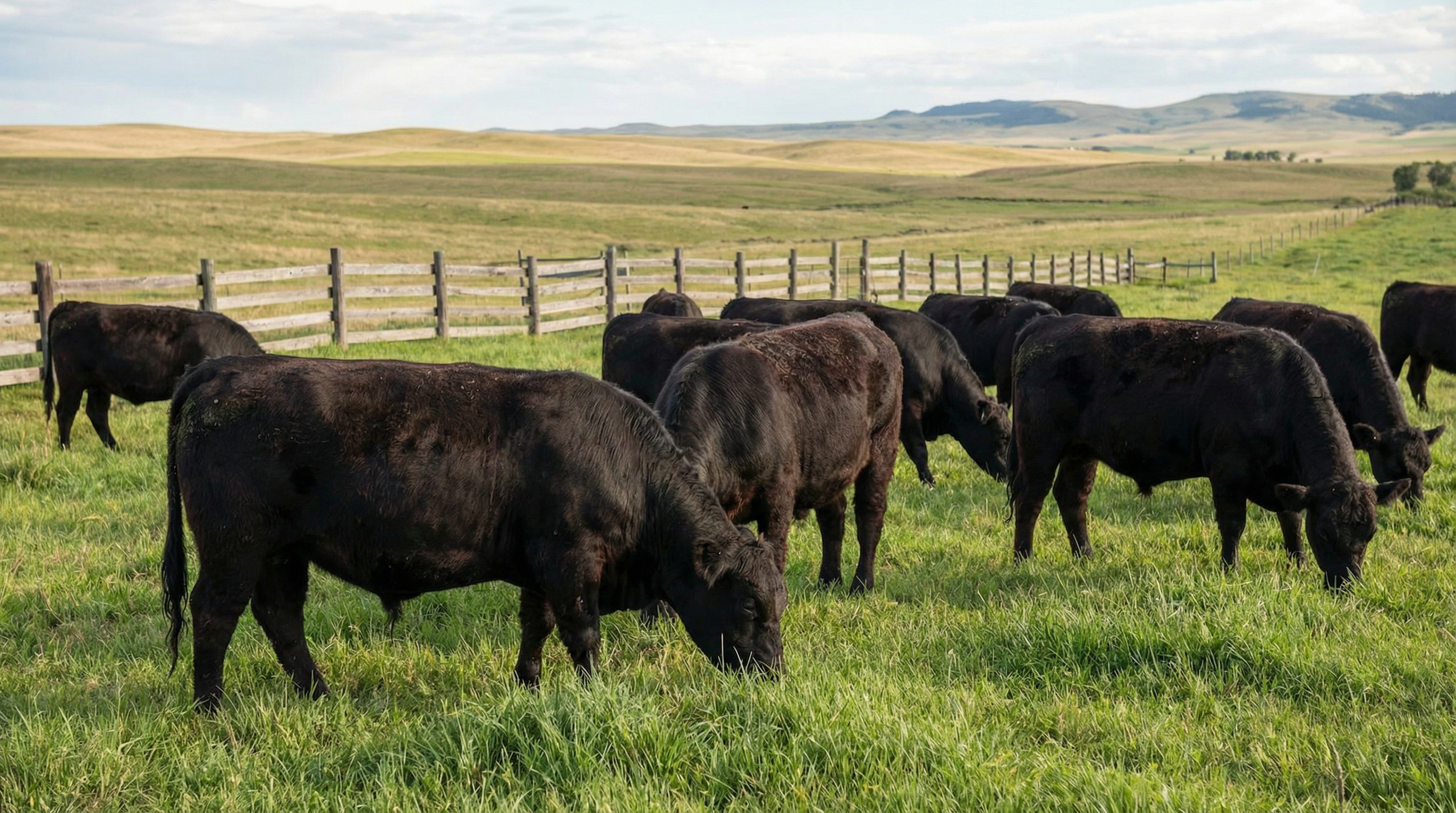
Angus beef (particularly USDA Choice and Prime grades) carries 8-13% intramuscular fat. That marbling melts during cooking, basting the meat internally and creating the rich, beefy flavor Angus is known for. The muscle fibers are firm enough to handle high heat, long cooks, and aggressive searing without falling apart.
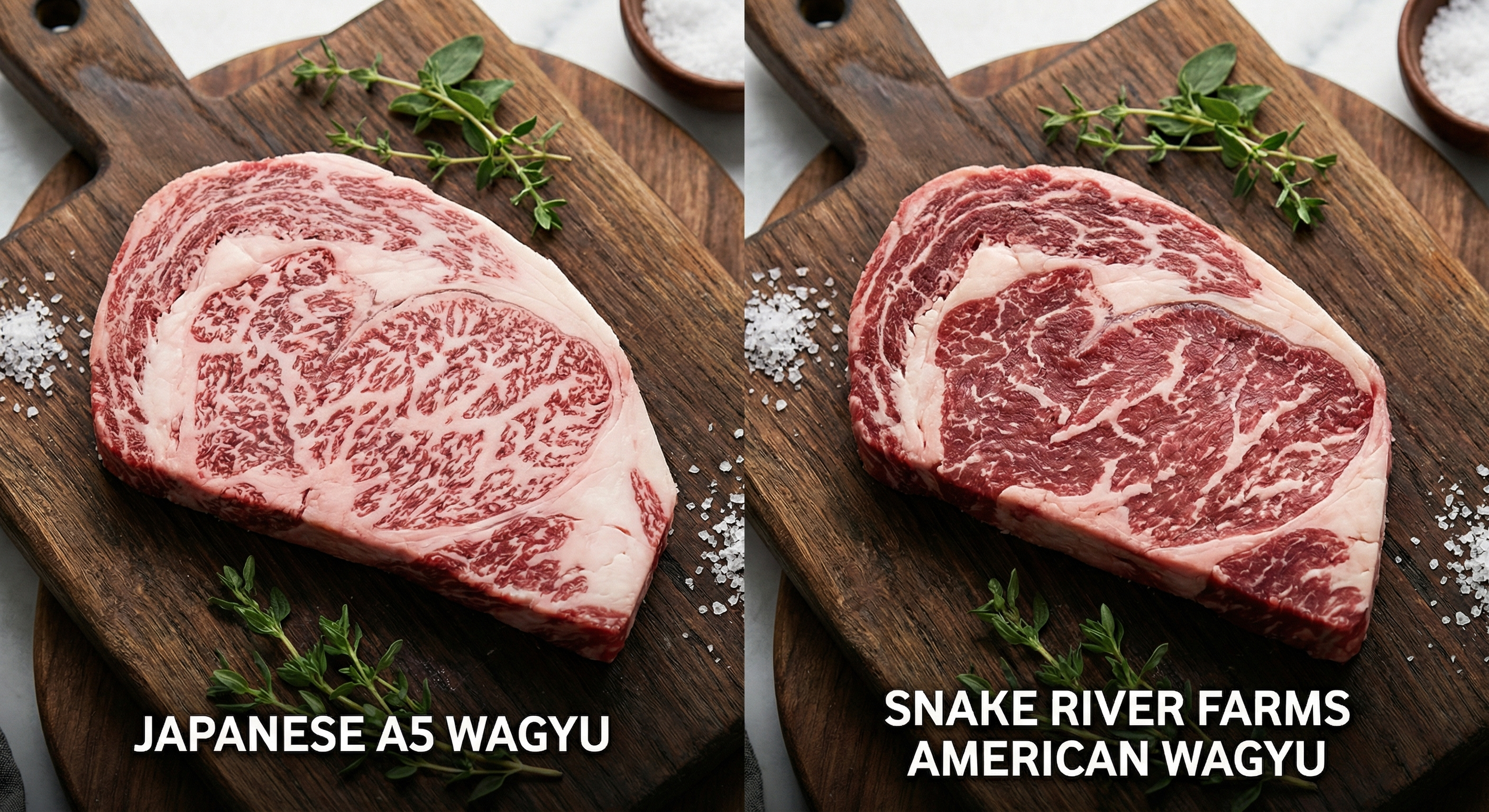
Wagyu — especially Japanese A5 — carries 25-40% intramuscular fat with a melting point around 77°F (25°C), well below body temperature. That extreme marbling means the steak is essentially self-basting from the moment it hits heat. The muscle fibers are more delicate, surrounded by fat that renders rapidly. Too much heat or too long on the grill, and you lose most of that expensive marbling into the pan.
The practical implication: Angus beef is forgiving. Wagyu is not.
Best Cooking Methods for Angus Beef
Angus beef's moderate marbling and firm muscle structure make it incredibly versatile. Nearly every cooking method works — the key is matching the method to the cut.
Pan Searing (Best for Ribeyes, NY Strips, Filets)
Cast iron is the gold standard for Angus steaks. The heavy pan retains heat through the sear, creating a proper Maillard crust without temperature drops.
- Pan temperature: 450-500°F (screaming hot)
- Fat: High smoke-point oil (avocado, refined canola) — 1 tablespoon
- Sear time: 3-4 minutes per side for a 1.5-inch steak
- Finish: Butter baste with thyme and garlic in final 60 seconds
- Target internal temp: 130°F for medium-rare (pull at 125°F, carryover handles the rest)
The Angus steak's fat content is high enough to stay juicy through an aggressive sear but low enough that you want that butter baste for extra richness. This is where Angus shines — it can handle the heat and rewards it with a deep crust.
Reverse Sear (Best for Thick Cuts 1.5 Inches+)
For thick Angus steaks, the reverse sear produces the most even doneness from edge to edge.
- Oven temperature: 225-250°F
- Cook until internal temp reaches: 115-120°F (about 45-60 minutes)
- Rest: 10 minutes
- Sear: Screaming hot cast iron, 60-90 seconds per side
- Final internal temp: 130-135°F
This method eliminates the gray band — that overcooked ring between the crust and the pink center. For a 2-inch bone-in Angus ribeye, there is no better approach.
Grilling (Best for Everyday Cooking)
Angus beef was practically designed for the grill. Its moderate fat content prevents drying while providing enough dripping to create smoke and char flavor.
- Grill setup: Two-zone (direct high heat + indirect low heat)
- Direct zone: 500°F+ for searing (2-3 minutes per side)
- Indirect zone: 300-350°F for finishing to target temp
- Charcoal advantage: Lump charcoal adds smokiness that complements Angus beef's robust flavor
Best Cooking Methods for Wagyu Beef
Wagyu requires restraint. The instinct to crank heat and sear aggressively works against you here. The goal is rendering just enough fat to create flavor and texture while keeping the majority of that marbling intact inside the meat.
Japanese A5 Wagyu: The Minimalist Approach
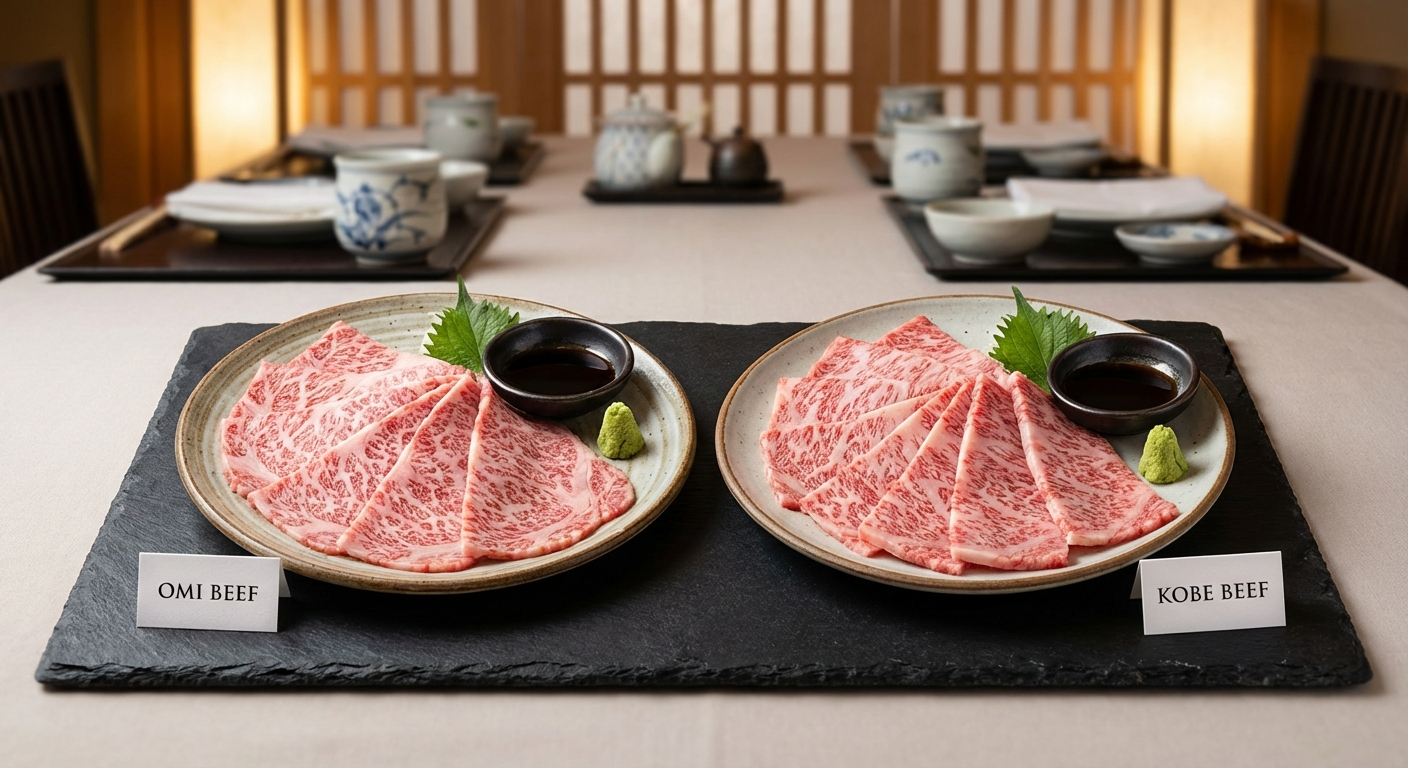
True A5 wagyu is best cooked in thin slices (1/4 to 1/2 inch) on a very hot surface for a very short time. This isn't a "steak" in the traditional American sense — it's a different eating experience entirely.
- Cut thickness: 1/4 to 1/2 inch strips
- Surface: Carbon steel or cast iron, wiped with wagyu fat trim (no added oil needed)
- Pan temperature: 400-425°F
- Cook time: 30-45 seconds per side — seriously, that's it
- Target doneness: Rare to medium-rare (the fat does the work)
- Seasoning: Flaky sea salt only. Nothing else.
The rendered fat from A5 wagyu is so rich that 3-4 ounces is a full serving. If you cook it like a 16-ounce Angus ribeye — thick cut, heavy sear, medium doneness — you will end up with an expensive pool of rendered fat and a tough, overcooked piece of meat.
American Wagyu: The Hybrid Approach
American wagyu (typically Angus-wagyu crossbreeds graded at BMS 5-8) sits between Angus and Japanese wagyu in fat content. This means you can use more conventional techniques but with adjustments.
- Pan temperature: 400-450°F (slightly lower than Angus)
- Added fat: Minimal — the steak provides its own
- Sear time: 2-3 minutes per side (shorter than Angus)
- Target internal temp: 125-130°F (pull earlier — more fat means more carryover)
- Rest time: 8-10 minutes (longer rest lets fat redistribute)
American wagyu is the sweet spot for most home cooks. You get enhanced marbling and buttery texture while still being able to cook a proper thick steak with a good sear. It's forgiving enough for the grill but rewards careful temperature management.
Methods to Avoid with Wagyu
Several common techniques that work for Angus will sabotage wagyu:
- Slow smoking: Extended low-and-slow cooking renders out too much fat from heavily marbled wagyu. The brisket exception exists, but wagyu steaks should never see a smoker.
- Sous vide at high temps: Anything above 131°F for extended periods turns wagyu's fat from luxurious to greasy. If you sous vide wagyu, keep it brief (1-2 hours max) and at 129°F.
- Well-done cooking: Cooking wagyu past medium defeats the entire purpose. The marbling that you paid premium for has completely rendered out at 160°F.
Temperature Guide: Angus vs Wagyu Side by Side
| Doneness | Angus Pull Temp | Angus Final Temp | Wagyu Pull Temp | Wagyu Final Temp |
|---|
| Rare | 120°F | 125°F | 115°F | 120°F |
| Medium-Rare | 125°F | 130-135°F | 120°F | 125-130°F |
| Medium | 135°F | 140-145°F | 125°F | 130-135°F |
| Medium-Well | 145°F | 150-155°F | Not recommended | Not recommended |
Notice that wagyu pull temperatures run 5-10°F lower across the board. The higher fat content means more thermal energy stored in the steak after you remove it from heat, so carryover cooking is more significant. Pull earlier than you think.
Seasoning Differences: Less Is More for Wagyu
Angus and wagyu have different flavor profiles, and your seasoning should reflect that.
Angus Seasoning Strategy
Angus beef has a robust, mineral-forward flavor that stands up to aggressive seasoning. The classic approach works because the beef can handle it:
- Foundation: Kosher salt + coarse black pepper (the "Dallas" method)
- Enhancements: Garlic powder, onion powder, smoked paprika all work
- Finishing: Compound butter (herb butter, blue cheese butter, garlic-shallot butter)
- Sauces: Red wine reduction, chimichurri, béarnaise — Angus beef welcomes bold sauces
You're building flavor on top of a solid beefy base. The seasoning amplifies what's already there.
Wagyu Seasoning Strategy
With wagyu, the fat IS the flavor. Excessive seasoning masks the very thing that makes it special.
- A5 Japanese wagyu: Flaky finishing salt (Maldon, fleur de sel) — applied after cooking. That's it.
- American wagyu: Kosher salt and pepper pre-sear, finishing salt post-rest. Skip the compound butter — the steak is its own butter.
- Sauces: If you must, a light ponzu or wasabi for Japanese wagyu. American wagyu can handle a light pan sauce made from its own drippings.
The rule: the higher the marbling score, the less seasoning you should use. Let the beef speak.
Portion Sizes and Serving Approaches
This is where most people — even experienced cooks — make mistakes with wagyu.
| Factor | Angus Beef | American Wagyu | Japanese A5 Wagyu |
|---|
| Recommended serving size | 12-16 oz per person | 8-12 oz per person | 3-5 oz per person |
| Steak thickness | 1.25-2 inches | 1-1.5 inches | 1/4-1/2 inch slices |
| Meal composition | Steak is the main event | Steak-forward with sides | Part of multi-course meal |
| Sharing style | Individual steaks | Individual or shared | Always shared, sliced thin |
A5 wagyu's richness means you physically cannot eat 16 ounces of it comfortably. The fat content creates satiety rapidly. Serving A5 in American steak-dinner portions is a common — and expensive — mistake. Think of it more like foie gras: a small amount delivers an intense experience.
Equipment Essentials for Each
You don't need different kitchens, but certain equipment choices matter more depending on which beef you're cooking.
For Angus Beef
- Cast iron skillet: 12-inch Lodge or similar — the workhorse for searing
- Instant-read thermometer: Non-negotiable for thick steaks
- Grill: Charcoal preferred for flavor, gas works for convenience
- Oven: For reverse sear finishing
- Wire rack and sheet pan: For reverse sear setup and resting
For Wagyu Beef
- Carbon steel pan: Better heat responsiveness than cast iron — important when you need precise, short cooks
- Sharp knife: For slicing A5 wagyu thin against the grain
- Instant-read thermometer: Even more critical — the margin between perfect and overcooked is narrower
- Binchotan or flat-top griddle: For yakiniku-style cooking of Japanese wagyu
- Chopsticks or thin tongs: For quick flipping of thin slices without piercing
Common Mistakes: What Goes Wrong with Each
Knowing what NOT to do saves more steaks than knowing what to do.
Angus Mistakes
- Cold steak on hot pan: Pull Angus steaks from the fridge 30-45 minutes before cooking. A cold center means overcooked exterior before the middle reaches temp.
- Skipping the rest: Angus needs 8-10 minutes of rest. Cutting immediately means juices on the cutting board, not in the steak.
- Wrong cut for wrong method: A lean filet needs different treatment than a fatty ribeye. Don't grill a filet the same way you grill a strip.
- Crowding the pan: Multiple steaks drop pan temperature and steam instead of searing.
Wagyu Mistakes
- Cooking it like Angus: The number one mistake. Thick cut, high heat, medium doneness — this turns wagyu into a $150 grease puddle.
- Adding oil to the pan: Wagyu renders its own cooking fat. Adding oil creates an unnecessarily greasy result and prevents proper crust formation.
- Oversizing portions: Serving 12+ ounces of A5 wagyu guarantees waste and an unpleasant, overly rich experience.
- Heavy seasoning: BBQ rubs, marinades, and heavy sauces mask wagyu's delicate sweetness and buttery nuance.
- Cooking past medium: At medium-well or well-done temps, wagyu's marbling has fully rendered out. You've paid wagyu prices for the texture of conventional beef.
When to Choose Each: A Decision Framework
Knowing how to cook both doesn't mean they're interchangeable. Context matters.
Choose Angus when:
- You want a classic American steak dinner with all the trimmings
- Grilling for a group (it's forgiving in quantity)
- Bold flavors and sauces are part of the plan
- Budget per person matters ($15-40 per steak vs $50-200 for wagyu)
- You want larger portions and satisfying protein volume
Choose Wagyu when:
- The beef IS the experience — not a side show to the sides
- Small, intimate dinner where quality beats quantity
- You want to showcase cooking precision and technique
- Tasting-menu or multi-course format
- Special occasion that justifies the price
Neither is objectively "better." A perfectly cooked USDA Prime Angus ribeye is one of the greatest eating experiences in American cuisine. A properly prepared A5 wagyu strip is a completely different — and equally remarkable — experience. The skill is knowing which one fits the moment and cooking each one to its potential.
The Bottom Line
Angus beef rewards confidence — high heat, bold seasoning, thick cuts, and classic technique. It's the workhorse of premium beef, versatile enough for a Tuesday night and special enough for a Saturday dinner party.
Wagyu demands restraint — lower temps, less time, minimal seasoning, and smaller portions. It's a precision instrument, not a blunt object. The more marbled the wagyu, the more restraint you need.
Master both approaches, and you've covered the full spectrum of what premium beef can deliver. The key isn't choosing one over the other — it's knowing that the same cooking instincts that make you great with Angus are precisely the instincts you need to suppress when wagyu hits your cutting board.