Is American Wagyu Real Wagyu? The Truth About Crossbred Beef
American Wagyu is everywhere — but is it actually wagyu? We examine the genetics, crossbreeding, grading systems, and what you're really getting.
Is American Wagyu Real Wagyu? The Truth About Crossbred Beef
"Wagyu" is on every steakhouse menu, every premium grocery shelf, and half the burger joints in America. But when you see "American Wagyu" on a label, what are you actually getting?
The short answer: it depends. American Wagyu is a legitimate product with real wagyu genetics — but it's fundamentally different from what Japan produces. Understanding why requires a look at genetics, grading, and the economics of the American beef industry.
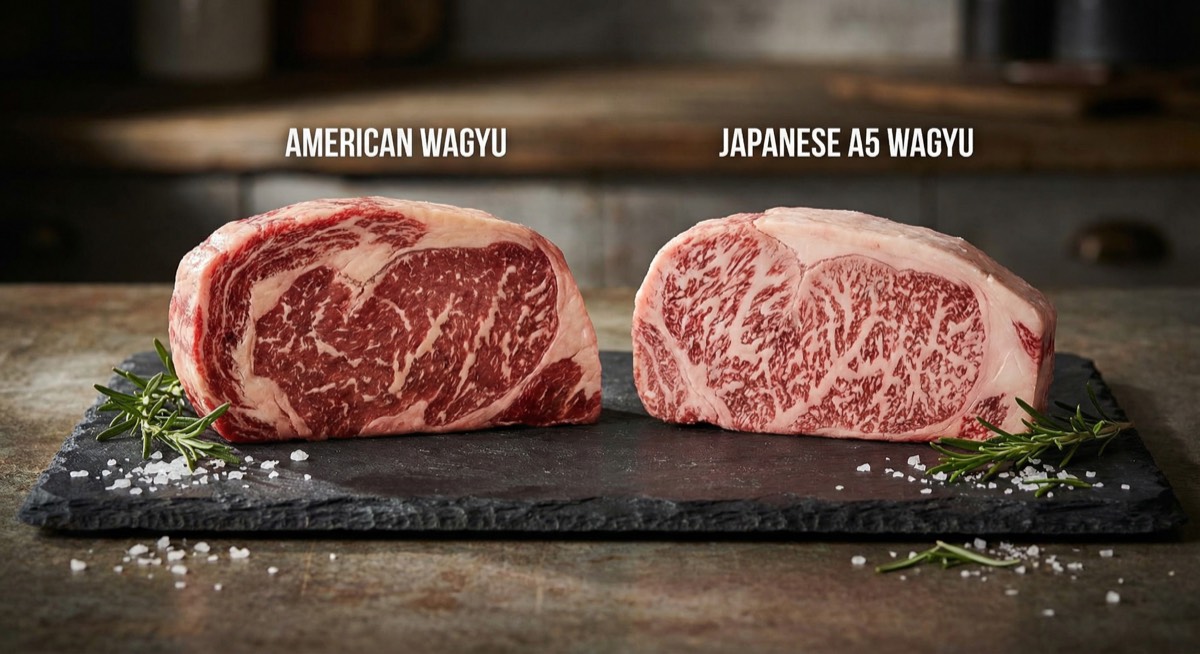
What Makes Wagyu "Wagyu"?
In Japan, the word is simple: "wa" (Japanese) + "gyu" (cow). It refers to four specific cattle breeds developed over centuries in Japan:
- Japanese Black (Kuroge Washu): 90%+ of all wagyu production. Famous for extreme marbling.
- Japanese Brown (Akage Washu): Leaner, more beefy flavor. Also called "Akaushi."
- Japanese Shorthorn (Nihon Tankaku Washu): Rare, lean, rich in glutamic acid.
- Japanese Polled (Mukaku Washu): Extremely rare — fewer than 200 exist.
These breeds share a genetic predisposition to produce extraordinary intramuscular fat — the fine web of white marbling that makes wagyu melt on your tongue. It's not just about how the cattle are raised. It's in the DNA.
How American Wagyu Came to Exist
In the 1970s and 1990s, a small number of Japanese wagyu cattle (primarily Japanese Black and some Akaushi) were exported to the United States and Australia before Japan banned all live exports in 1997.
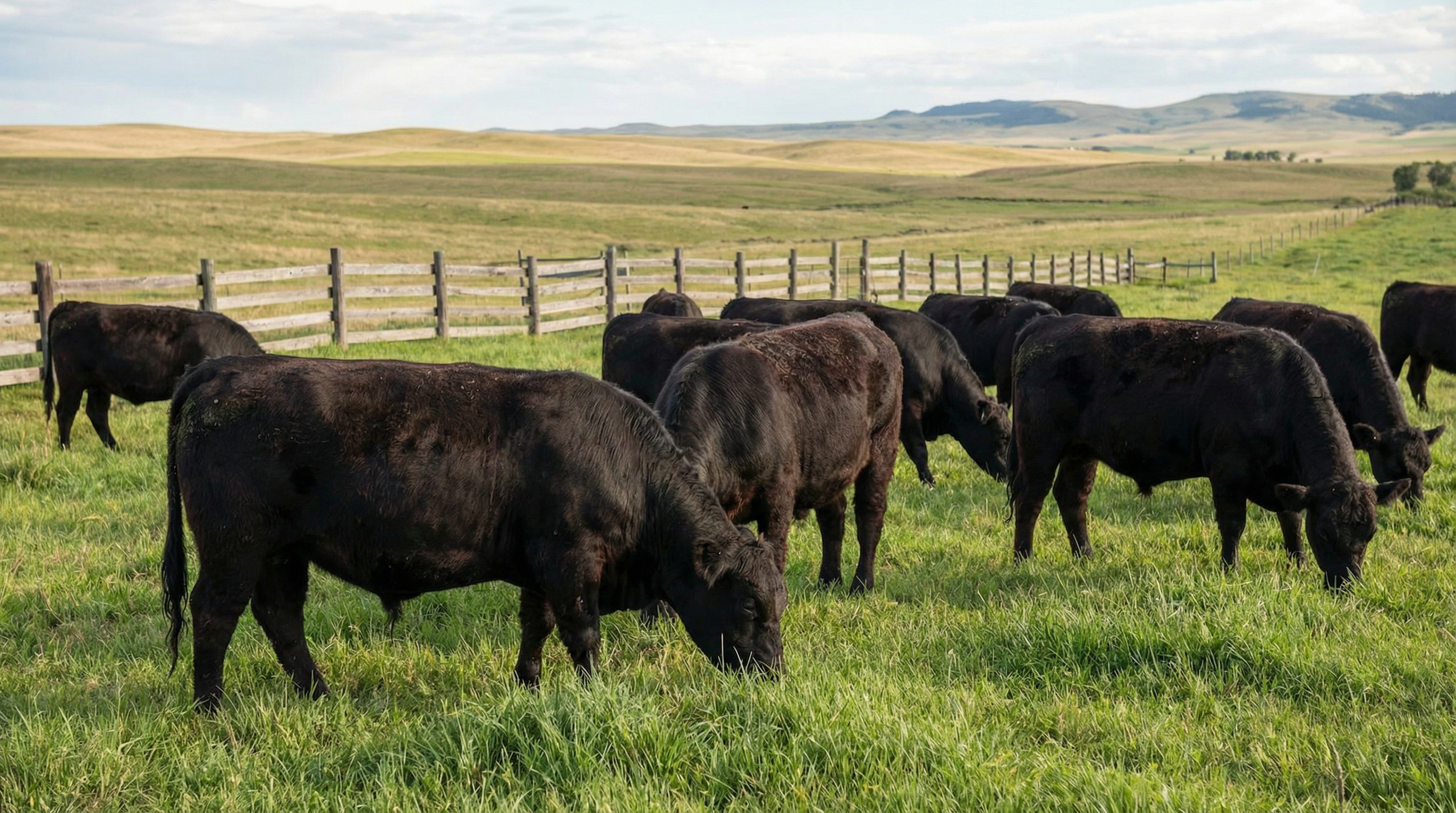
American ranchers crossed these imported wagyu bulls with domestic breeds — primarily Black Angus — to create what we now call American Wagyu.
The Crossbreeding Reality
This is where it gets complicated. There's no federal standard for how much wagyu genetics a steak needs to carry the "wagyu" label in the US:
- F1 (50% wagyu): First-generation cross. Wagyu sire × Angus dam. This is the minimum most reputable producers use.
- F2-F3 (75-87.5% wagyu): Higher wagyu percentage from continued crossbreeding with wagyu bulls.
- Fullblood (100% wagyu): Both parents are registered purebred wagyu with documented lineage. Rare and expensive in the US.
- "Wagyu-influenced": Could be as low as 12.5% wagyu genetics. Legally? Still sold as "wagyu."
Without regulation, the label "American Wagyu" can mean anything from 50% to 100% wagyu genetics. The only way to know is to buy from producers who disclose their breeding program.
Grading: Two Completely Different Systems
Japan and the US grade beef on entirely different scales, which makes direct comparison difficult.
Japanese Grading (JMGA)
Japan's system evaluates four criteria: marbling (BMS 1-12), meat color, fat color, and firmness/texture. The famous A5 grade requires BMS 8-12 — a level of marbling that looks almost white with thin red veins.
USDA Grading
The USDA system tops out at Prime, which roughly corresponds to BMS 4-5 on the Japanese scale. American Wagyu that scores BMS 8+ technically "breaks" the USDA system — it's all just called Prime, even though the marbling far exceeds standard Prime beef.
This is why the American Wagyu Association developed its own grading tiers — Silver, Gold, and Platinum — to differentiate within the Prime category.
The Taste Test: American vs Japanese Wagyu
Here's what actually matters — how they eat.
Japanese A5 Wagyu
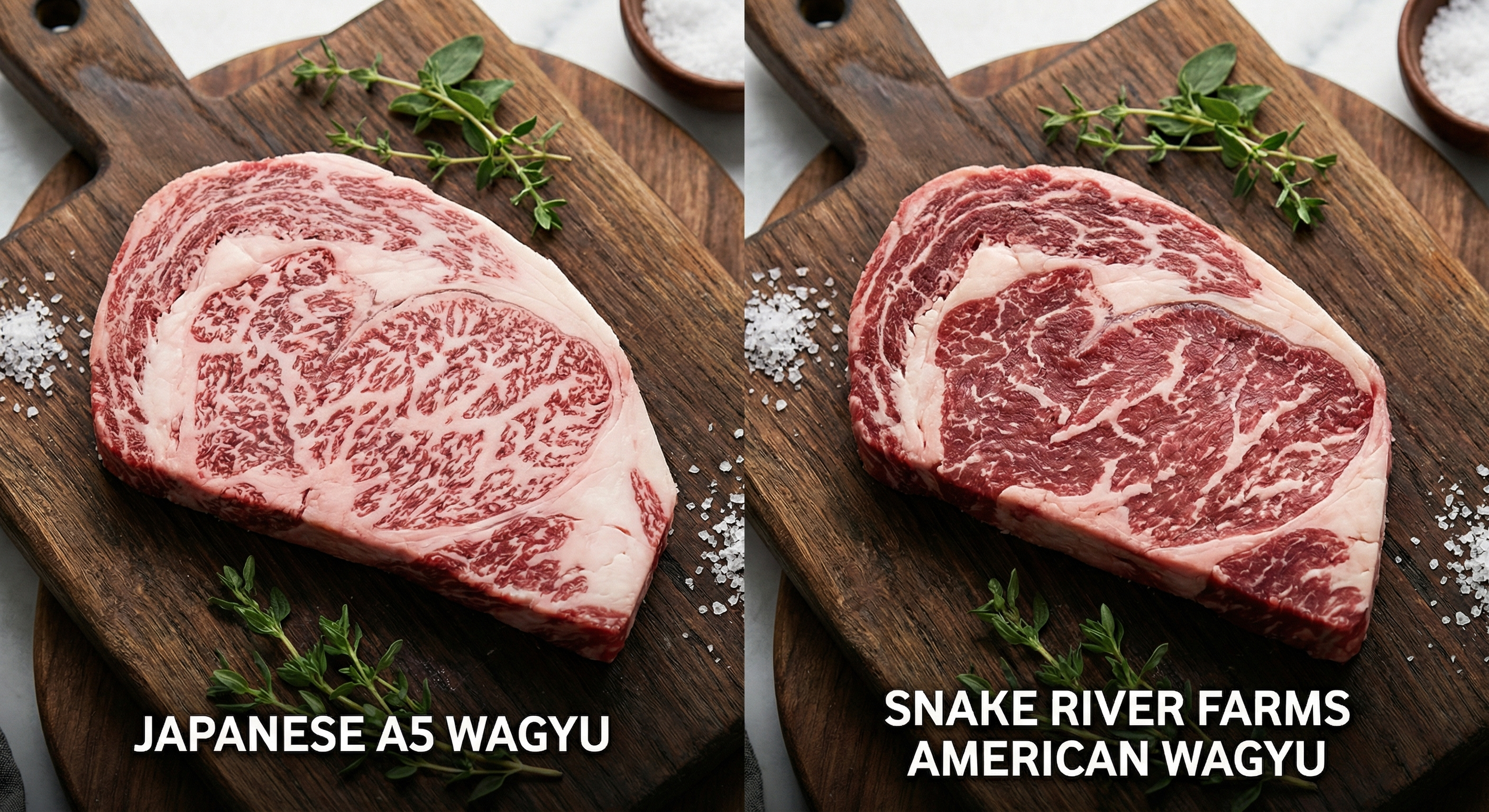
- Marbling: BMS 8-12. The meat is 40-50% intramuscular fat.
- Texture: Literally melts on your tongue. Buttery, almost custard-like.
- Flavor: Rich, sweet, with umami depth. The fat is clean and light.
- Serving size: 2-4 oz is a full portion. More than that and the richness overwhelms.
- Best for: Special occasions, tasting portions, yakiniku-style thin slices.
American Wagyu
- Marbling: BMS 5-9 typically. More than USDA Prime, less than A5.
- Texture: Tender and juicy, but with more "steak" chew than A5.
- Flavor: Rich beef flavor with enhanced marbling. The Angus genetics contribute beefy taste.
- Serving size: Standard steak portions (8-16 oz). You can eat a full ribeye.
- Best for: People who want enhanced marbling but still want to eat a "steak."
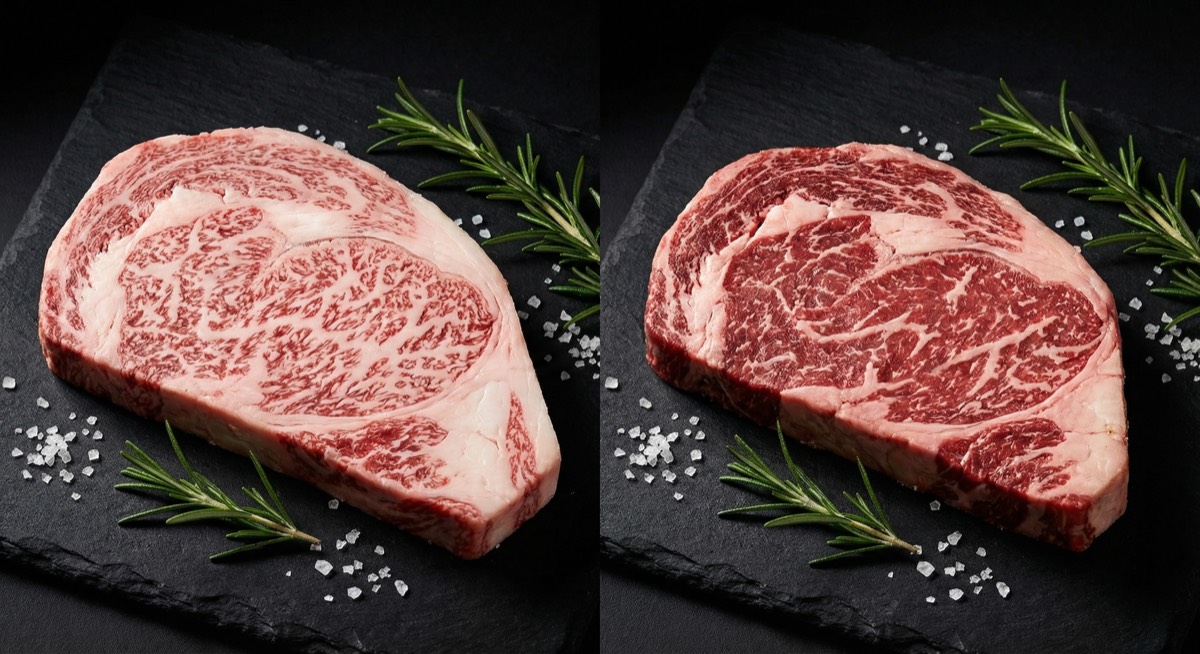
Neither is objectively "better." They're different experiences. Japanese A5 is a luxury tasting event. American Wagyu is the best steak dinner you've ever had. Japanese A5 Wagyu and American Wagyu each have their place on the table.
The Price Reality
Price reflects rarity, genetics, feed programs, and import costs:
| Type | Price per lb (Ribeye) | Why |
|---|
| USDA Prime (Angus) | $25-40 | Domestic, abundant, standard premium |
| American Wagyu (F1) | $50-80 | Crossbred, longer feed, limited supply |
| American Fullblood Wagyu | $80-150 | 100% genetics, very limited US herds |
| Japanese A5 Wagyu | $150-300+ | Import tariffs, strict Japanese supply controls |
The jump from USDA Prime to American Wagyu is the best value upgrade in premium beef. You get meaningfully better marbling and tenderness for roughly 2x the price. The jump to A5 is about the experience — it's a different category entirely.
How to Spot Fake "Wagyu"
The lack of US labeling standards means "wagyu" can be misleading. Here's how to protect yourself:
Red Flags
- "Wagyu-style" or "Wagyu-blend": These terms mean nothing. Could be any percentage of wagyu genetics.
- No breeding information: If a seller can't tell you the crossbreeding percentage, be skeptical.
- Too-good-to-be-true pricing: "Wagyu" ground beef for $8/lb is almost certainly standard beef with trace wagyu genetics.
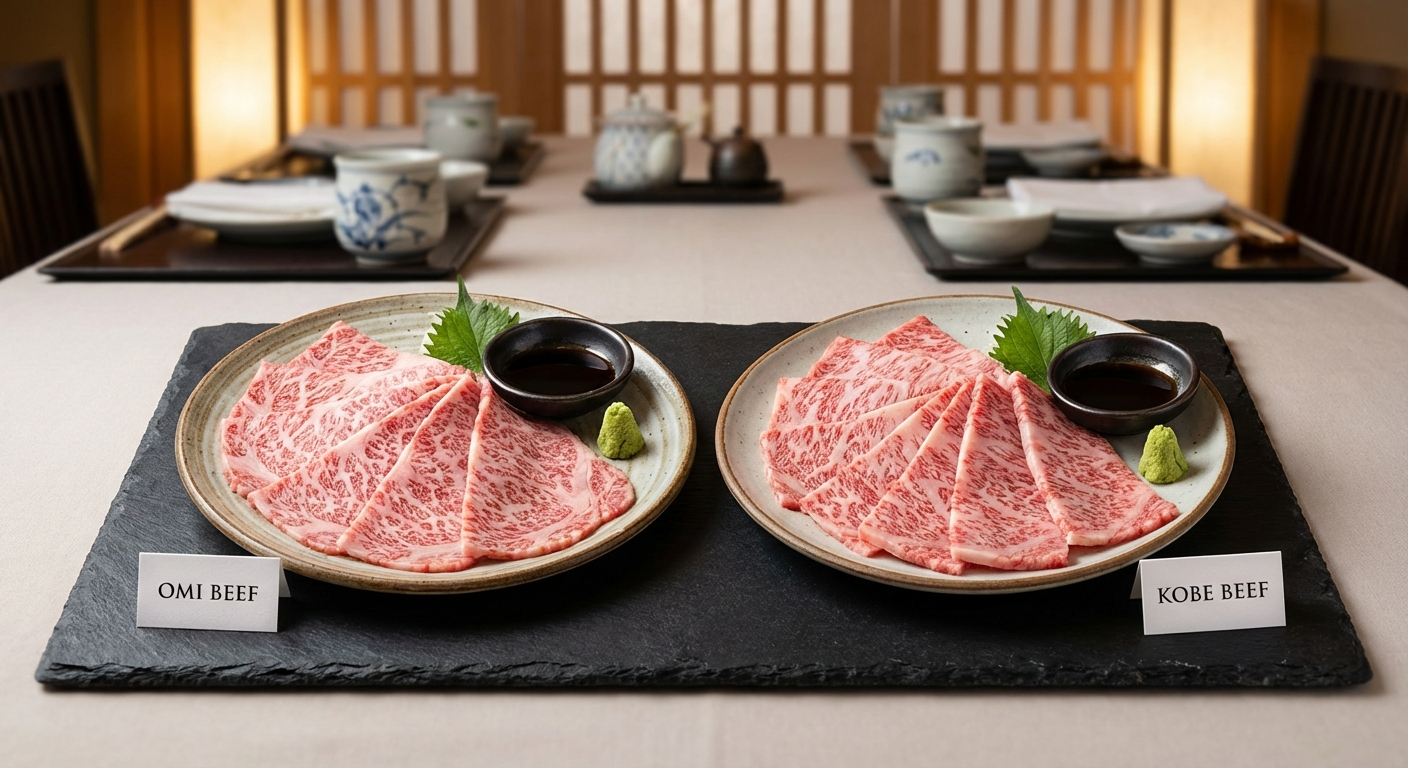
- "Kobe-style": Real Kobe beef is a specific strain from Hyogo Prefecture. There are fewer than 50 authorized US retailers.
- No marbling visible: Even F1 American Wagyu should show noticeably more marbling than standard USDA Choice.
What to Look For
- Disclosed genetics: "F1 Japanese Black × Angus" or "Fullblood Kuroge Washu"
- BMS score or equivalent: Reputable sellers grade their own product
- Ranch or producer name: Traceable supply chain
- For Japanese imports: A certificate of authenticity with the individual animal's nose print
So... Is American Wagyu "Real" Wagyu?
Yes — with caveats.
American Wagyu contains genuine wagyu genetics. The cattle carry the same DNA responsible for enhanced marbling. The beef is measurably superior to standard USDA Prime in tenderness, flavor, and fat quality.
But it's not the same product as Japanese Wagyu. The crossbreeding with Angus, the different feeding programs, the different grading systems, and the different production philosophy create a fundamentally different steak.
Think of it this way:
- Japanese A5 Wagyu = the purebred original, perfected over centuries
- American Fullblood Wagyu = the same genetics, raised in America with American methods
- American Wagyu (crossbred) = a hybrid that takes the best of wagyu genetics and Angus beef flavor
All three are "real." They're just different products at different price points for different occasions.
The Smart Buyer's Approach
Here's our recommendation:
- For weeknight steaks: American Wagyu (F1 or higher) is the sweet spot. Better than Prime, affordable enough to enjoy regularly.
- For special occasions: Japanese A5 Wagyu in tasting portions (3-4 oz per person). It's an experience, not just dinner.
- For grilling: American Wagyu holds up better on the grill. A5's extreme fat content can cause flare-ups and doesn't need the high heat.
- For gifts: Japanese A5 has the "wow factor." Nobody forgets their first A5 experience.
The most important thing is buying from a source that's transparent about genetics, grading, and sourcing. The label "wagyu" alone tells you very little. The details behind it tell you everything.