Kobe Beef vs Wagyu: What's the Difference?
Kobe beef IS wagyu — but not all wagyu is Kobe. Here's what actually separates them and why it matters for your wallet.
Kobe Beef vs Wagyu: What's the Real Difference?
"Is Kobe beef the same as wagyu?" It's one of the most common questions in the premium beef world — and the answer reveals everything about how Japan's legendary beef industry actually works.
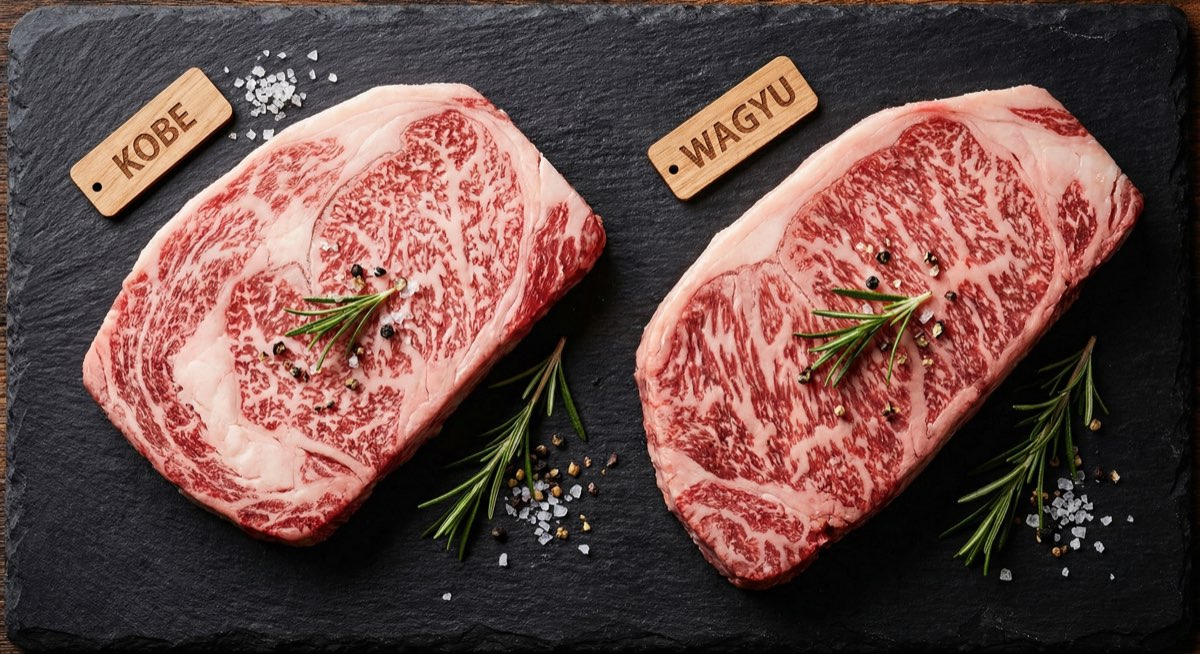
Here's the short version: All Kobe beef is wagyu. Not all wagyu is Kobe. Kobe is to wagyu what Champagne is to sparkling wine — a specific, regulated product within a broader category. But the details matter, especially when you're spending $200+ per pound.
Understanding the Basics: What Is Wagyu?
Wagyu literally means "Japanese cow" (wa = Japanese, gyu = cow). It refers to four specific cattle breeds native to Japan:
- Japanese Black (Kuroge Washu): Over 90% of all wagyu production. The breed behind Kobe, Matsusaka, Ohmi, and most famous regional varieties.
- Japanese Brown (Akage Washu): Also called Akaushi. Leaner with a stronger beefy flavor.
- Japanese Shorthorn (Nihon Tankaku Washu): Rare breed with rich glutamic acid content.
- Japanese Polled (Mukaku Washu): Nearly extinct — fewer than 200 animals exist.
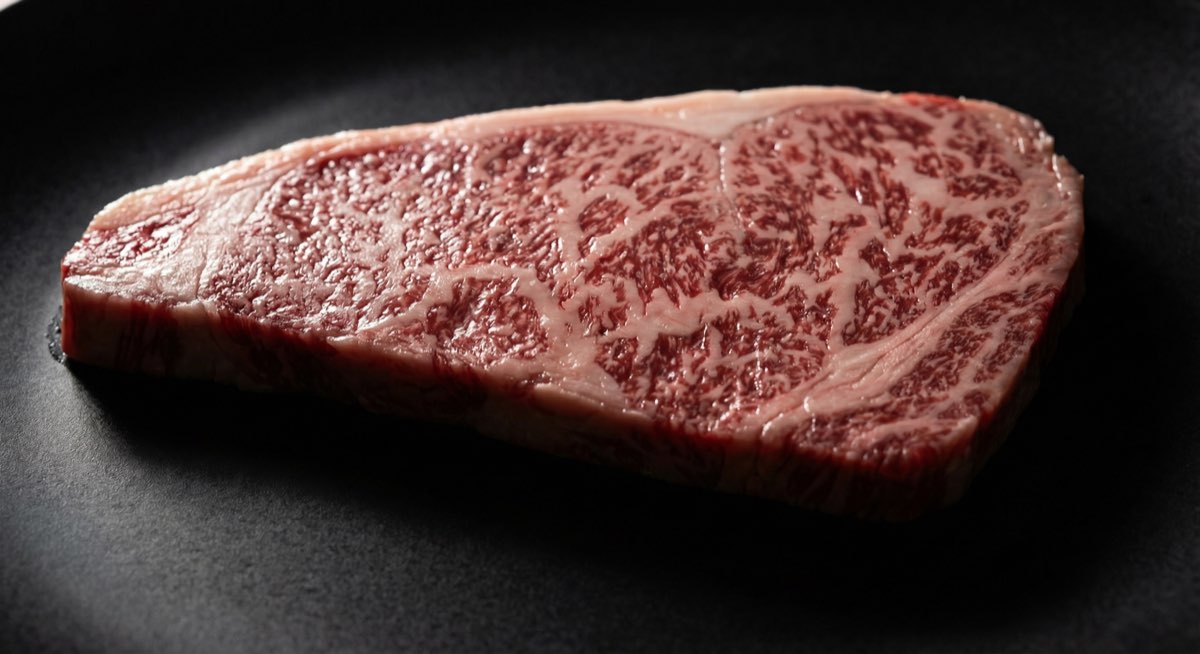
These breeds share a genetic predisposition for extreme intramuscular fat — the fine, web-like marbling that makes wagyu unlike any other beef in the world. When people say "wagyu," they usually mean Japanese Black cattle graded A4 or A5 on the Japanese Meat Grading Association (JMGA) scale.
What Is Kobe Beef, Exactly?
Kobe beef is wagyu with a very specific pedigree and origin. To legally carry the "Kobe beef" (神戸ビーフ) designation, cattle must meet ALL of these requirements:
- Breed: Must be Tajima-gyu — a bloodline of Japanese Black cattle native to Hyogo Prefecture
- Birthplace: Born in Hyogo Prefecture
- Raised: Fed and raised entirely within Hyogo Prefecture
- Slaughtered: Processed at approved slaughterhouses in Kobe, Nishinomiya, Sanda, Kakogawa, or Himeji
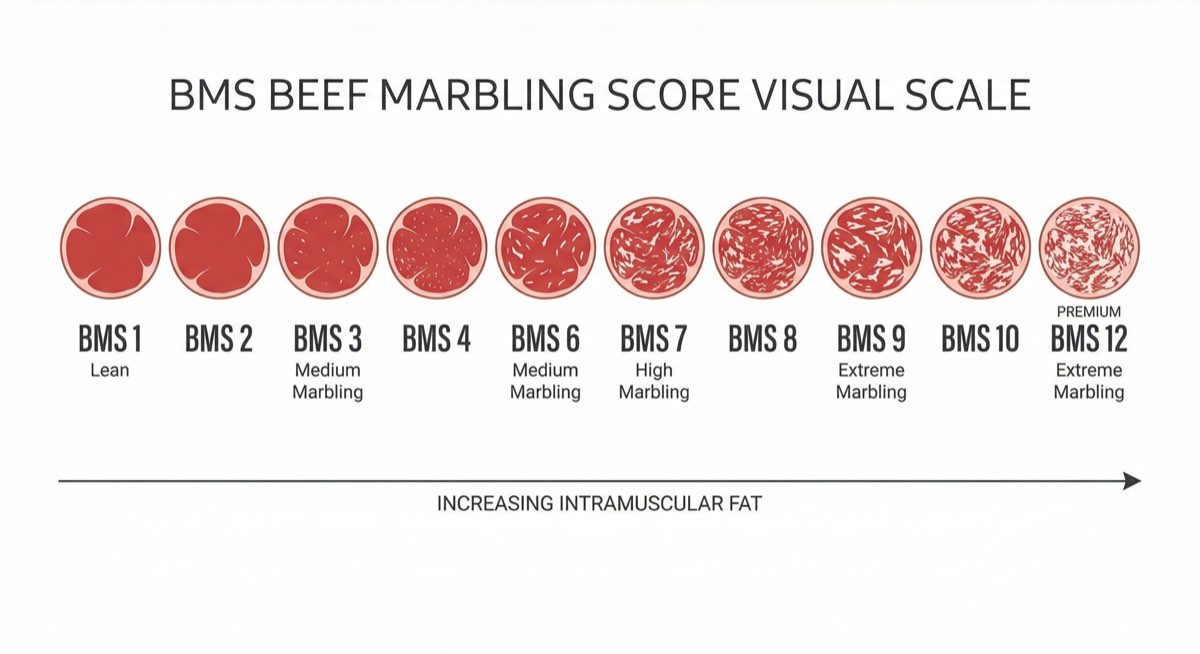
- Marbling: BMS (Beef Marbling Standard) score of 6 or higher (on a 1-12 scale)
- Yield grade: A or B
- Carcass weight: 470 kg or less (for quality control)
- Meat quality: Fine, firm texture with excellent fat color and distribution
That's an extraordinary number of requirements. The result? Only about 3,000 to 5,000 cattle qualify as Kobe beef each year — out of Japan's total production of roughly 700,000 wagyu cattle annually. That's less than 1%.
Kobe vs Other Premium Japanese Wagyu
Here's what most people don't realize: Kobe isn't necessarily the "best" wagyu. It's the most famous wagyu, largely because Kobe was one of the first Japanese port cities open to Western trade in the 1800s. Foreign merchants encountered this extraordinary beef in Kobe — and the name stuck.
But Japan has dozens of regional wagyu brands, and several rival (or arguably surpass) Kobe in quality:
The "Big Three" Japanese Wagyu
| Brand | Prefecture | Breed/Bloodline | Known For |
|---|---|---|---|
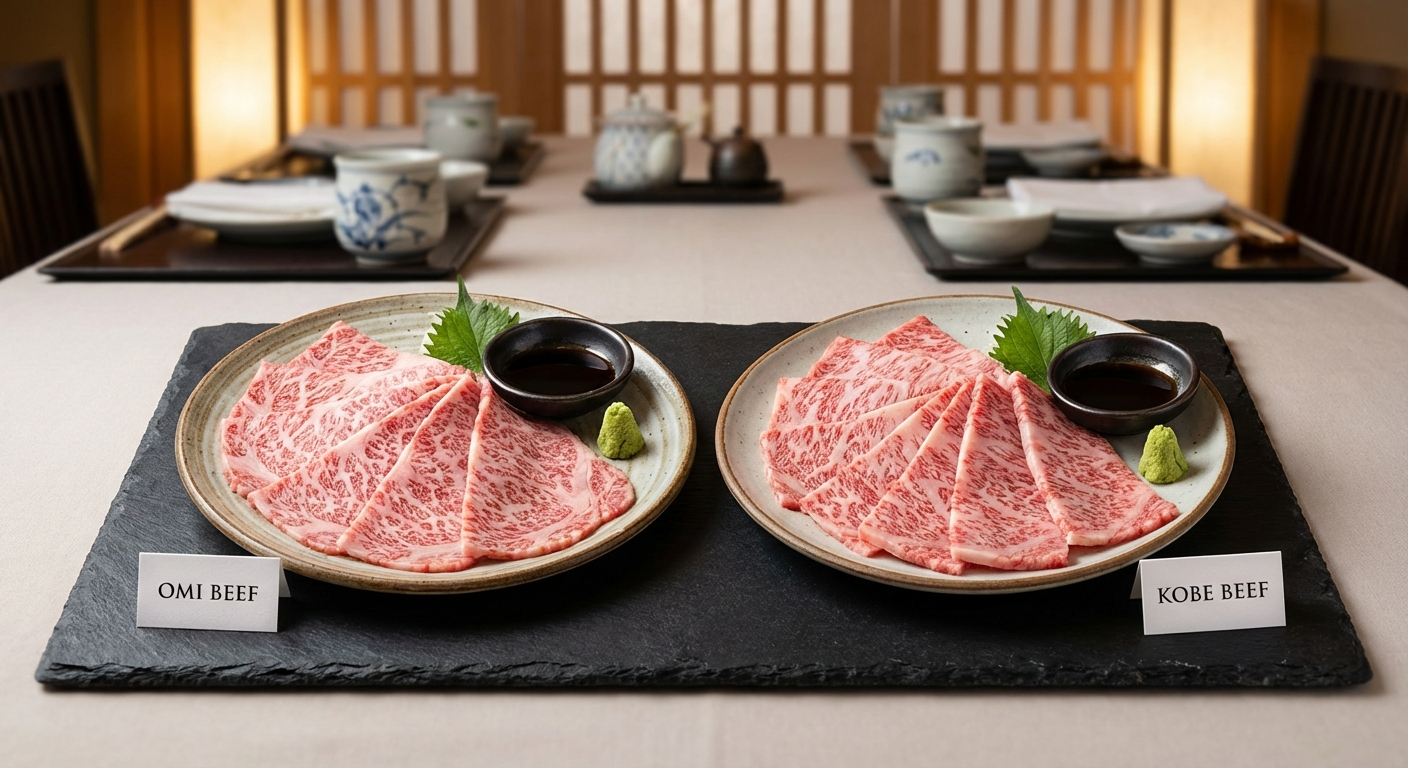
| Kobe Beef | Hyogo | Tajima-gyu (Japanese Black) | Global name recognition, consistent quality |
| Matsusaka Beef | Mie | Japanese Black (virgin heifers only) | Often considered superior — uses only female cattle never bred |
| Ohmi Beef | Shiga | Japanese Black | Japan's oldest beef brand (400+ years), extremely fine marbling |
Beyond the Big Three, regions like Miyazaki, Kagoshima, and Hokkaido produce A5 wagyu that regularly wins top honors at Japan's national wagyu competitions. Miyazaki wagyu, for example, has won the "Wagyu Olympics" (National Competitive Exhibition of Wagyu) multiple times.
The point? If you're buying A5 Japanese wagyu from Miyazaki or Kagoshima, you're getting beef that's graded identically to Kobe — often at 30-50% less cost, simply because it doesn't carry the Kobe brand name.
The Grading Systems: How Quality Is Measured
Japanese wagyu uses the JMGA grading system, which evaluates:
- Yield Grade (A, B, or C): How much usable meat the carcass produces. A = above average yield.
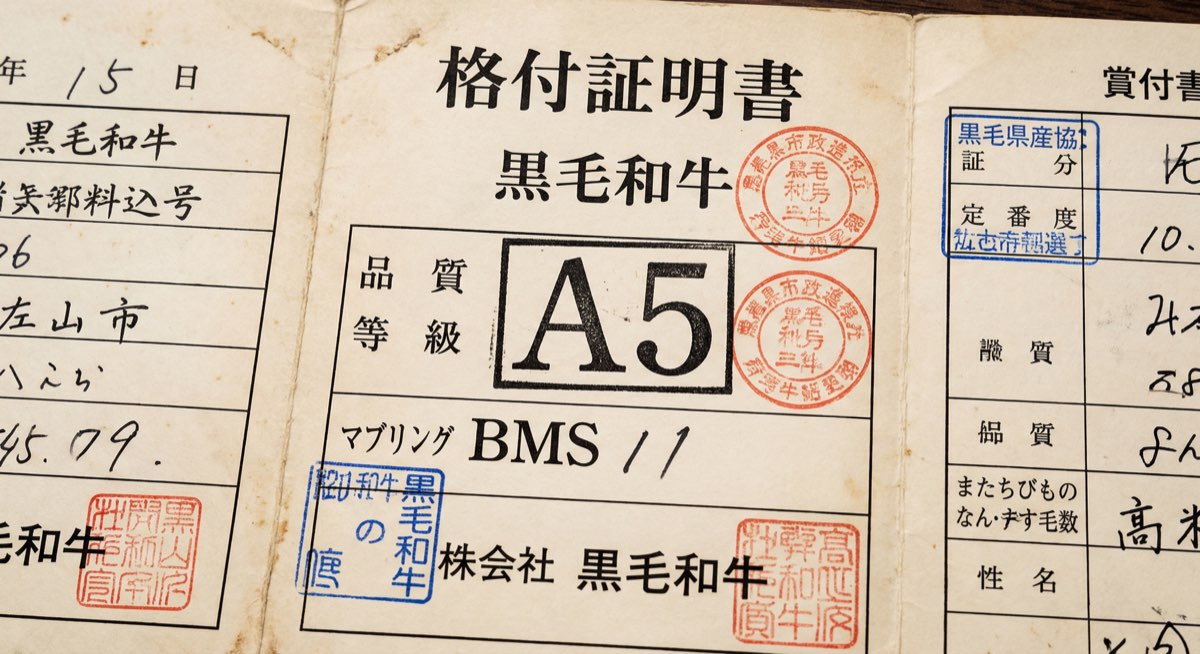
- Meat Quality Grade (1-5): Based on marbling, meat color/brightness, fat color/quality, and firmness/texture. Grade 5 is the highest.
- BMS Score (1-12): The marbling sub-score within the quality grade. BMS 8-12 = Grade 5.
So when you see "A5 BMS 12" — that's the absolute pinnacle. Maximum yield, maximum quality, maximum marbling. Kobe beef requires at minimum BMS 6 (which falls in the Grade 4-5 range), but much of what's sold as Kobe grades at BMS 8-12.
Kobe Beef vs American Wagyu
This is where the confusion — and sometimes outright fraud — gets serious.
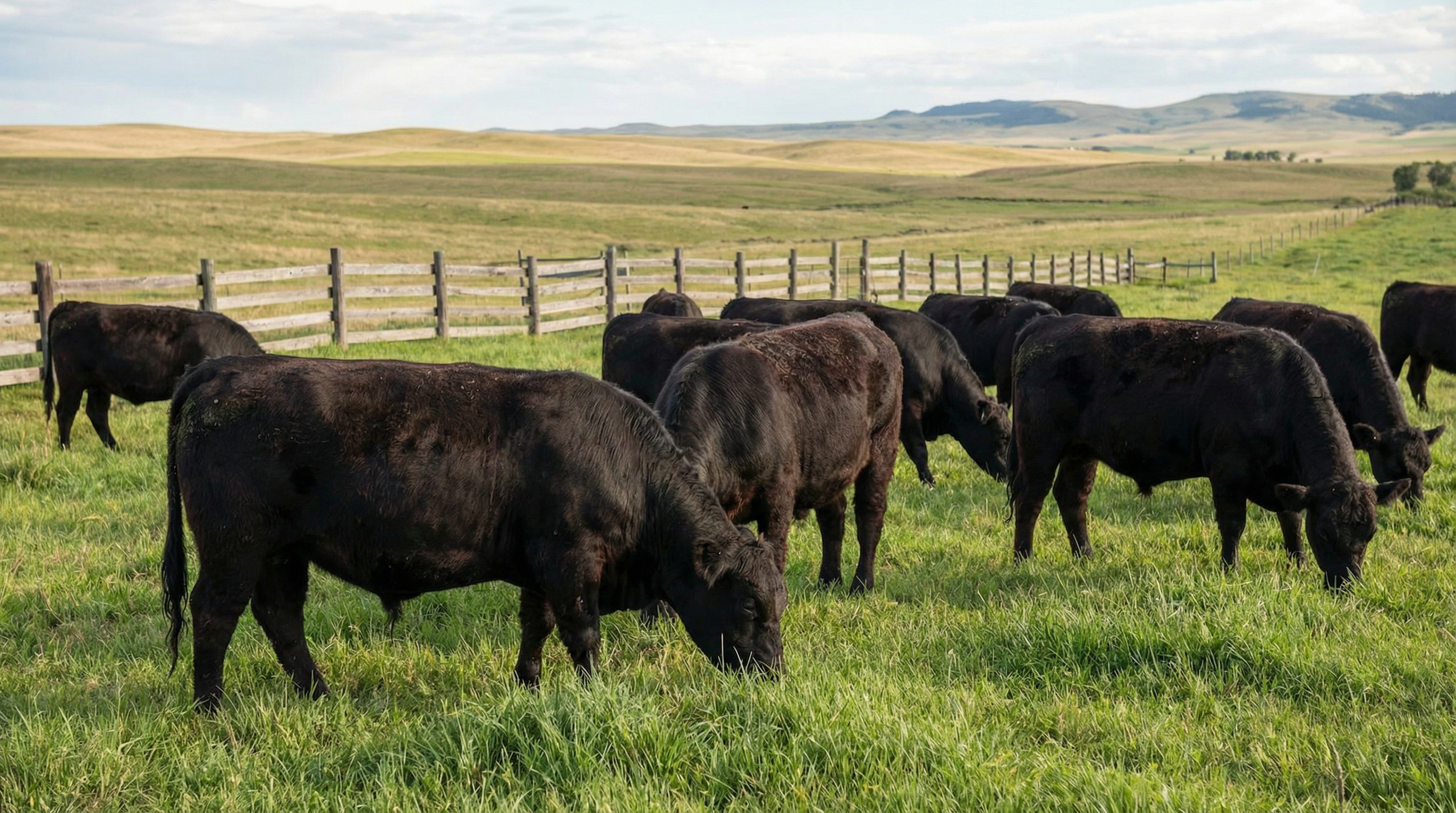
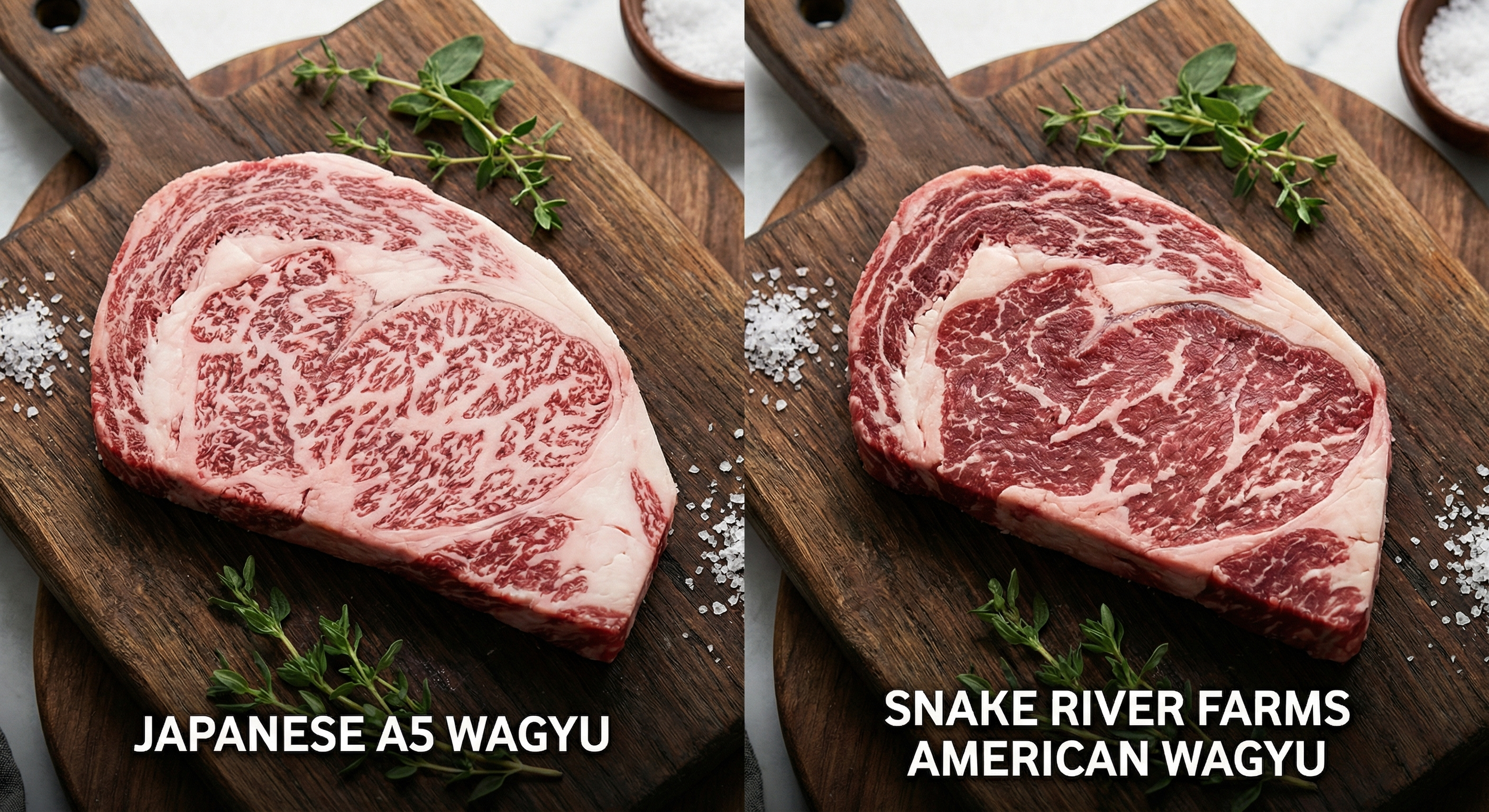
American Wagyu is a crossbreed: Japanese wagyu genetics (usually Japanese Black) crossed with domestic cattle (usually Black Angus). The resulting beef has more marbling than conventional American beef, but it is fundamentally different from Japanese wagyu.
Key Differences
| Factor | Kobe Beef (Japan) | American Wagyu |
|---|---|---|
| Genetics | 100% Tajima-gyu Japanese Black | 50-100% wagyu × Angus cross |
| Grading | JMGA: A4-A5, BMS 6+ | USDA: Prime or above |
| Marbling | BMS 6-12 (extreme) | Comparable to USDA Prime+ |
| Price (per lb) | $200-$500+ | $40-$120 |
| Flavor Profile | Intensely buttery, sweet, delicate | Rich, beefy, more familiar |
| Serving Size | 2-4 oz (richness limits portions) | 8-16 oz (standard steak portions) |
| Regulation | Strict — Kobe Beef Association certified | Minimal — no federal "wagyu" standard |
American Wagyu is not fake or inferior — it's a different product entirely. The best American Wagyu from reputable producers like The Meatery's American Wagyu collection delivers exceptional marbling and flavor at a fraction of Japanese import prices. It's also better suited to American-style cooking (larger portions, higher-heat grilling).
The "Fake Kobe" Problem
Let's address the elephant in the room: most "Kobe beef" sold in the United States is not real Kobe beef.
For years, many restaurants and retailers used "Kobe" as a marketing term for any premium beef, including domestic wagyu-cross and even conventional USDA Prime. The Kobe Beef Marketing & Distribution Promotion Association maintains a list of certified retailers and restaurants — and it's very short.
Red flags that it's not real Kobe:
- Price seems too good: A "Kobe beef burger" for $25? Not real Kobe.
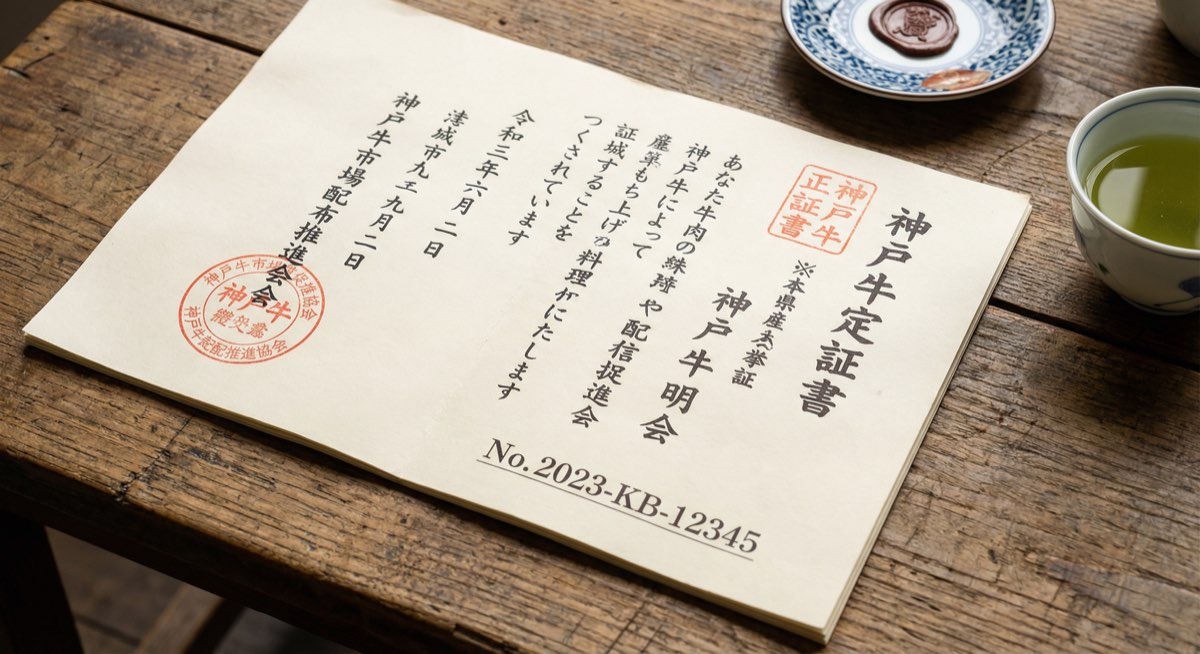
- No certificate: Authentic Kobe comes with a 10-digit identification number traceable to the individual animal.
- Massive portions: Real Kobe is served in small portions (2-4 oz) due to its richness.
- Widely available: If every restaurant in town has "Kobe beef," it's not Kobe.
Price Comparison: What You'll Actually Pay
Understanding the price hierarchy helps you make informed decisions:
- Authentic Kobe Beef (Japan): $200-$500+ per pound. Extremely limited availability in the US.
- A5 Japanese Wagyu (non-Kobe): $100-$250 per pound. Same grading, different prefecture. Outstanding value relative to Kobe. Browse A5 Japanese Wagyu at The Meatery.
- American Wagyu: $40-$120 per pound. American Wagyu at The Meatery — excellent for everyday luxury.
- Australian Wagyu: $50-$150 per pound. Often graded on both Japanese and Australian scales.
- USDA Prime: $20-$50 per pound. Top 8% of American beef — excellent, but less marbled than wagyu.
For most home cooks, A5 Japanese Wagyu from non-Kobe prefectures offers the best balance of authentic Japanese wagyu quality and value. You're getting the same A5 grade, the same extraordinary marbling — just without the Kobe brand premium.
How to Cook Kobe Beef vs Other Wagyu
Whether it's Kobe or any other A5 Japanese wagyu, the cooking principles are the same — because the marbling level is similar:
Japanese A5 Wagyu (Including Kobe)
- Slice thin (¼ inch) — the fat content makes thick cuts overwhelming
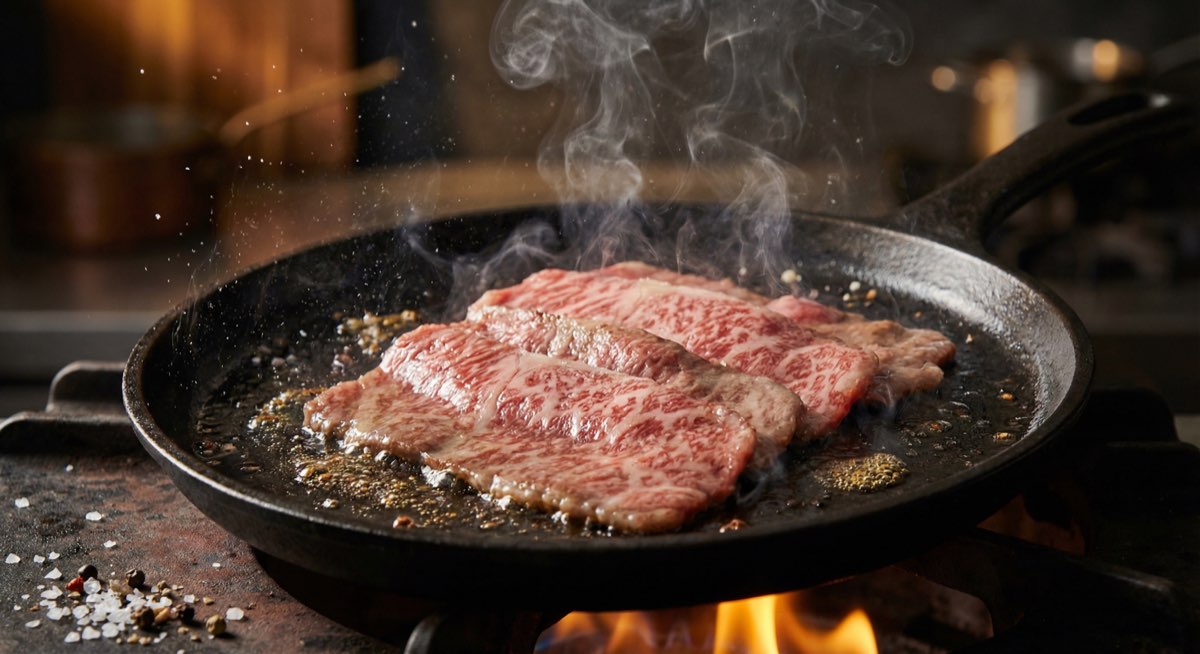
- Sear hot and fast — 30-60 seconds per side on a screaming hot cast iron or binchotan grill
- Season simply — coarse salt, maybe a touch of wasabi. The beef IS the flavor.
- Serve small — 2-4 oz portions. This is a delicacy, not a dinner steak.
American Wagyu
- Cook like a premium steak — standard thickness (1-1.5 inches)
- Reverse sear works beautifully — low oven to 120°F internal, then hard sear
- More versatile seasoning — handles rubs, marinades, compound butters
- Standard portions — 8-16 oz depending on cut
Which Should You Buy?
Your choice depends on the experience you're after:
Buy authentic Kobe or A5 Japanese Wagyu when:
- You want the pinnacle of beef — a once-in-a-lifetime tasting experience
- You're celebrating a special occasion
- You appreciate the cultural and culinary significance
- Small portions are fine — quality over quantity
Buy American Wagyu when:
- You want exceptional marbling in a full-sized steak
- You're grilling, reverse searing, or cooking for a group
- You want premium quality at a more accessible price point
- You prefer the familiar beefy flavor profile with extra richness
Our recommendation: If you've never had authentic Japanese A5, start with a sampler from a non-Kobe prefecture like Miyazaki. You'll experience the same extraordinary quality for significantly less than the Kobe brand premium. The Meatery carries A5 Japanese Wagyu from top-rated prefectures — each piece traced to its source.
The Bottom Line
Kobe beef is wagyu — it's the most famous regional brand within Japan's wagyu tradition. But "most famous" doesn't automatically mean "best," and the Kobe name carries a significant price premium driven by brand recognition rather than objectively superior quality.
For most beef lovers, the smartest path is:
- For the Japanese wagyu experience: Buy A5 from Miyazaki, Kagoshima, or another top prefecture — same grade, better value
- For everyday luxury: American Wagyu delivers incredible marbling at accessible prices
- For the bucket list: Try authenticated Kobe beef at least once — but know you're paying for the name as much as the meat
Whatever you choose, buy from a source that's transparent about origin, grading, and genetics. That's the only way to know what you're actually getting.