Wagyu Burger vs Angus Burger: Is the Premium Worth It?
Wagyu and Angus make fundamentally different burgers. One maximizes richness, the other delivers classic beef flavor. Here is when each is worth your money.
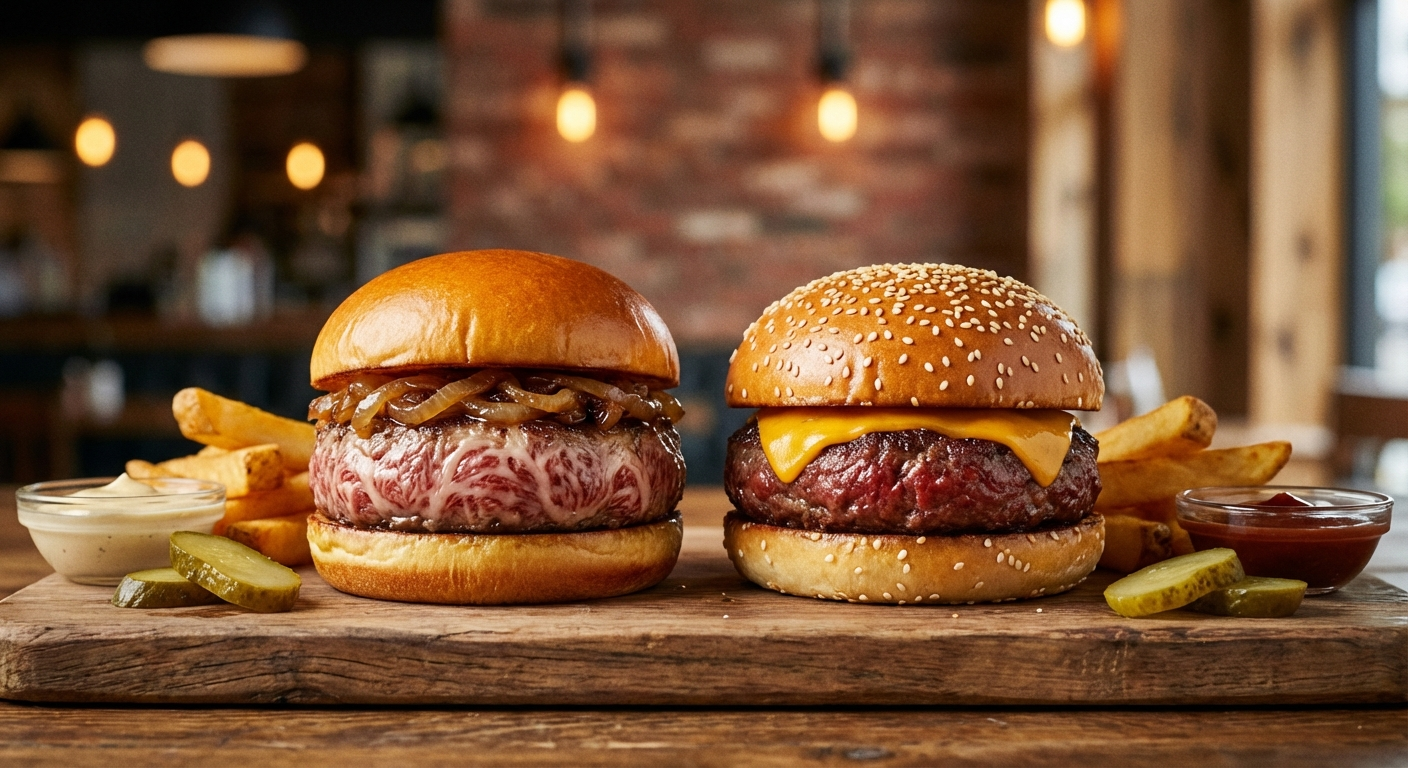
The wagyu burger has become a staple on premium restaurant menus and a growing category in online beef retail. But when you're paying 3-5x more per pound for wagyu ground beef compared to Angus, the question is unavoidable: does a wagyu burger actually taste that much better?
After years of sourcing both and testing them side-by-side more times than I can count, here's the honest comparison. The answer isn't as simple as "wagyu wins."
The Meat: What's Actually in the Patty
Understanding what you're grinding changes how you evaluate the final burger.
Wagyu Ground Beef
Wagyu ground beef comes from trimmings and secondary cuts of wagyu cattle. The quality varies enormously depending on the source:
- Japanese A5 ground wagyu: Made from trim of A5-graded cattle. Fat content can reach 50-60%. Extremely rich, almost paste-like when raw. This is a luxury ingredient, not a burger staple.
- American Wagyu ground: From F1 or Fullblood American Wagyu trim. Fat content typically 25-35%. This is the most common "wagyu burger" in the US market.
- Australian Wagyu ground: Crossbred or Fullblood trim. Similar to American Wagyu in fat content and characteristics.
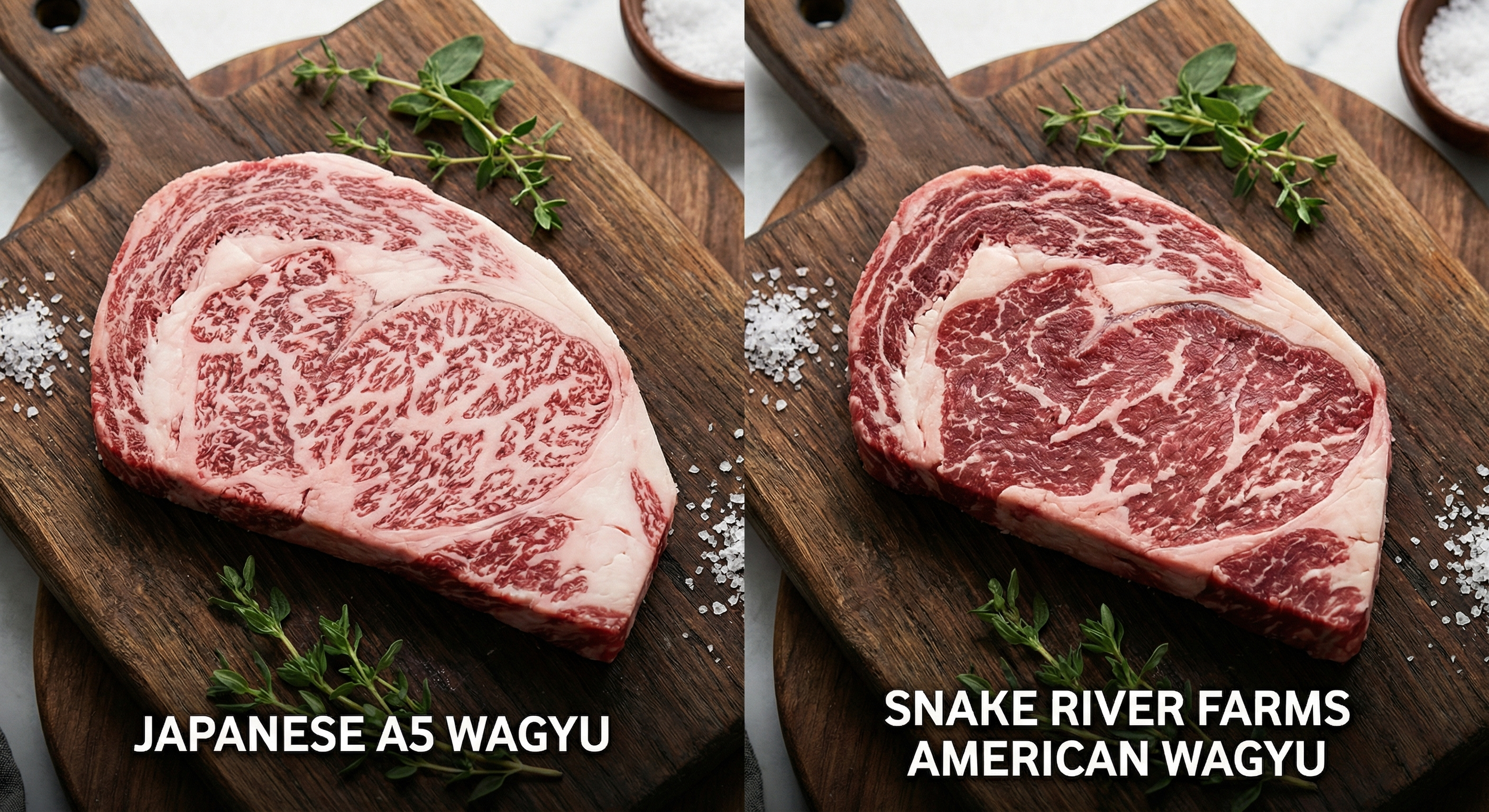
The key distinction: wagyu fat is distributed differently. Where conventional beef has discrete pockets of fat mixed into the grind, wagyu's intramuscular fat is already woven through the muscle fibers before grinding. This creates a more uniform fat distribution in the final patty.
Angus Ground Beef
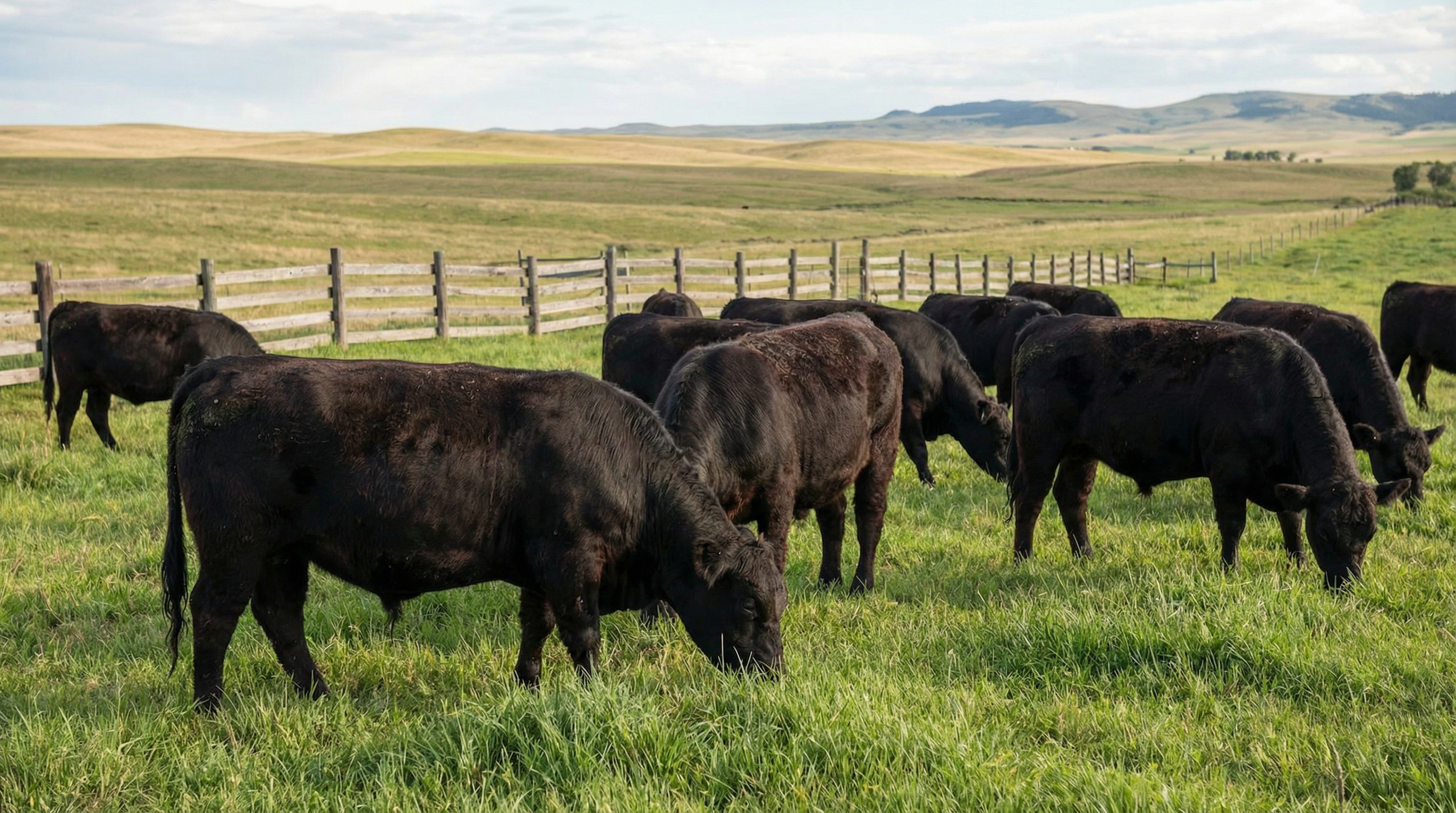
Angus ground beef — specifically Certified Angus Beef (CAB) — comes from cattle meeting 10 quality specifications, including modest marbling requirements. Standard options include:
- 80/20 Angus ground: The classic burger ratio. 80% lean, 20% fat. Good balance of flavor and juiciness.
- 85/15 Angus ground: Slightly leaner. Works well for smash burgers where you're adding fat through the cooking process.
- Chuck blend: Many premium burger operations grind their own from Angus chuck, brisket, and short rib for optimal flavor and texture.
Angus has been the gold standard for burger beef for decades because the breed consistently delivers good marbling, strong beef flavor, and reliable fat content at a reasonable price.
Fat Content and Marbling: The Numbers
This is where the comparison gets measurable.
| Metric | Wagyu Ground (American) | Angus Ground (80/20) | A5 Wagyu Ground |
|---|
| Fat percentage | 25-35% | 18-22% | 45-60% |
| Oleic acid (% of fat) | 40-48% | 30-35% | 50-55% |
| Fat melting point | ~82°F (28°C) | ~104°F (40°C) | ~77°F (25°C) |
| Calories (4oz raw) | 320-380 | 280-300 | 400-500 |
| Fat distribution | Very uniform | Moderate | Extremely uniform |
The oleic acid difference matters. Oleic acid (the same monounsaturated fat in olive oil) is responsible for the "buttery" quality in wagyu. Higher oleic acid means softer fat with a lower melting point — which is why wagyu fat literally melts on your tongue while conventional beef fat requires more heat to render.
In a burger, this translates to a patty that feels richer and silkier from the first bite without needing to reach a higher internal temperature to render the fat.
Flavor Profile: Side-by-Side
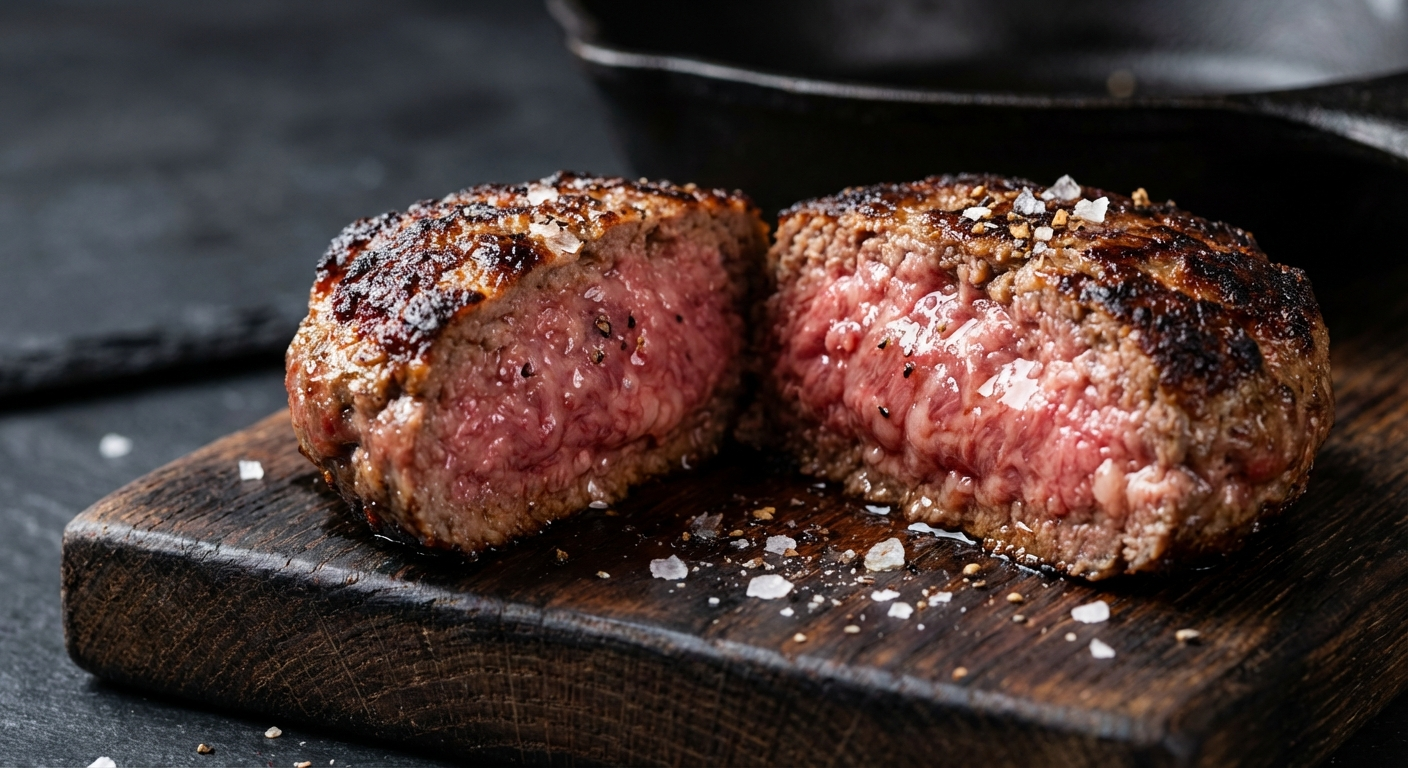
Wagyu Burger Flavor
- Initial bite: Immediately rich, almost buttery. The fat coats your palate quickly.
- Beef flavor: Present but subdued. The richness dominates over the "beefy" notes.
- Sweetness: A subtle sweetness from the oleic acid that you won't find in conventional beef.
- Finish: Long, rich, slightly coating. The fat lingers pleasantly.
- Texture: Soft, almost creamy. Less chew than Angus. Some describe it as "too soft" for a burger.
Angus Burger Flavor
- Initial bite: Classic beefy punch. You taste the meat first, then the fat follows.
- Beef flavor: Robust, front-and-center. This is what most people think of when they crave a burger.
- Sweetness: Minimal — the flavor profile is savory through and through.
- Finish: Clean, satisfying, not overly lingering.
- Texture: Slightly firmer, more traditional "bite." The chew that burger lovers expect.
The honest take: Wagyu makes a richer, more luxurious patty. But Angus often makes a more satisfying burger. The classic burger experience — that beefy, slightly charred, juicy bite — is actually better served by Angus in many preparations. Wagyu shines when the patty is the star, served simply without heavy toppings.
Cooking Behavior: How They Handle Heat
The higher fat content in wagyu significantly changes how these burgers cook.
Wagyu Patties on the Grill
- Flare-ups: More frequent and intense. The extra fat renders quickly and drips, causing flame bursts.
- Shrinkage: Wagyu patties can shrink 30-40% during cooking due to fat loss. Form them larger than your target size.
- Doneness window: Narrower. Wagyu goes from perfectly juicy to overcooked faster because there's more fat to render out.
- Best method: Cast iron or flat-top griddle. Keeps the fat in the patty instead of losing it to drip trays. Medium heat, 3-4 minutes per side for medium.
- Internal temp: Pull at 130-135°F for medium-rare. The carryover is more aggressive due to fat content.
Angus Patties on the Grill
- Flare-ups: Manageable with standard 80/20 grind.
- Shrinkage: 15-25%, typical and predictable.
- Doneness window: More forgiving. The lower fat content means less dramatic changes during cooking.
- Best method: Works well on any surface — grill, griddle, cast iron, even broiler.
- Internal temp: 140-145°F for medium is the sweet spot for maximum juiciness without overdoing it.
A critical point many people miss: wagyu burgers are harder to cook well. The fat renders aggressively, the patties are fragile, and the window between perfect and dried-out is smaller. Angus is more forgiving and produces consistent results across skill levels and cooking methods.
Price Comparison: What You're Really Paying
Let's break this down to cost per burger.
| Type | Price per lb | Cost per 6oz patty | Cost for 4 burgers |
|---|
| Angus ground (80/20) | $6-9 | $2.25-3.40 | $9-14 |
| Premium Angus (CAB) | $9-14 | $3.40-5.25 | $14-21 |
| American Wagyu ground | $18-30 | $6.75-11.25 | $27-45 |
| Japanese A5 ground | $40-60 | $15-22.50 | $60-90 |
American Wagyu ground costs 2-3x more than premium Angus. Japanese A5 ground costs 5-7x more. That's a significant premium, especially when you're making multiple burgers.
Value calculation: If you're hosting a cookout for 8 people, you're looking at ~$28-42 for Angus vs $54-90 for American Wagyu vs $120-180 for A5. That cost difference buys a lot of quality toppings, better buns, or a nicer bottle of bourbon.
When Wagyu Burger Wins
Wagyu genuinely elevates the burger experience in specific situations:
- Minimalist preparation: Salt, pepper, quality bun, maybe one premium topping. When the patty IS the show, wagyu's richness shines.
- Smash burgers: Thin-pressed wagyu on a screaming-hot flat top creates an incredible crust-to-meat ratio with butter-like richness.
- Tartare and raw preparations: The lower-melting-point fat makes wagyu ground exceptional for beef tartare, where you experience the raw fat quality directly.
- Date-night burger: When you want to impress with a single, perfectly executed burger that feels like an event.
- Slider portions: Smaller patties where the richness doesn't overwhelm.
When Angus Burger Wins
Angus is the better choice more often than most wagyu marketers would admit:
- Loaded burgers: Bacon, cheese, pickles, sauce, lettuce, tomato — on a fully dressed burger, you cannot taste the difference between wagyu and good Angus. The toppings dominate.
- Backyard cookouts: Easier to cook, more forgiving on the grill, lower cost per person, and equally satisfying when everyone's eating outdoors with cold drinks.
- Thick pub-style burgers: 8+ oz patties where you want beefy bite and traditional texture. Wagyu's softness can feel wrong at this size.
- Meal prep: Weekly burger prep is dramatically more economical with Angus.
- Kids and casual eaters: Most people (honestly) cannot distinguish wagyu from premium Angus in a blind burger test with toppings.
The Blind Test Problem
Here's a fact that wagyu marketers don't advertise: in blind taste tests with dressed burgers, most people cannot reliably identify the wagyu patty. The difference is real but subtle enough that toppings, bun quality, and cooking technique often matter more than the beef origin.
Where the difference becomes obvious:
- Naked patty (no toppings): wagyu is noticeably richer
- Tartare: night-and-day difference in fat quality
- Smash burgers: wagyu creates a superior crust
Where it disappears:
- Fully loaded burgers: toppings mask the difference
- Overcooked patties: both become dry and indistinguishable
- Heavy seasoning: spice blends override the beef's natural character
Nutritional Comparison
Per 6-ounce cooked patty:
| Nutrient | Wagyu Burger | Angus Burger (80/20) |
|---|
| Calories | 420-480 | 340-380 |
| Total fat | 32-38g | 22-26g |
| Saturated fat | 13-16g | 10-12g |
| Protein | 26-30g | 28-32g |
| Iron | 3.2mg | 3.0mg |
| Monounsaturated fat | 14-18g | 9-11g |
Wagyu burgers have more total fat and calories, but a higher proportion of that fat is monounsaturated (the "good" fat). Angus has slightly more protein per patty because less of the weight is fat. Neither is a health food — they're burgers — but the nutritional profiles reflect the fundamental fat-content difference.
Best Practices for Each
Wagyu Burger Tips
- Keep it simple. Salt and pepper only. Let the beef speak.
- Use a flat-top or cast iron. Don't lose that precious fat to a grill grate.
- Form loose patties. Don't compress — wagyu's soft texture doesn't benefit from packing.
- Go thinner. 4-5 oz patties or smash-style. Thick wagyu patties can be overwhelmingly rich.
- Quality bun. Brioche or milk bread that can absorb the extra juices without falling apart.
- Minimal toppings. One cheese (gruyère or aged cheddar), maybe caramelized onions. That's it.
Angus Burger Tips
- Season generously. Angus handles bold seasoning well.
- Any cooking method works. Grill, griddle, broiler — Angus is versatile.
- Go for 80/20. Don't go leaner — the fat is what makes a burger great.
- Thick or thin. Angus works at any patty size.
- Load it up. Bacon, cheese, pickles, special sauce — Angus carries toppings beautifully.
- Don't overthink it. The best Angus burger is the one you actually make and enjoy.
The Verdict
Wagyu makes a more interesting burger. Angus makes a more satisfying burger. That's the honest distinction.
If you're making a single, pristine, minimally topped burger as a food experience — wagyu is worth the premium. If you're making burgers as a meal — with toppings, sides, and cold drinks — premium Angus delivers 90% of the satisfaction at a fraction of the cost.
The best move for most people: buy premium Angus for your regular burger rotation, and keep some American Wagyu ground beef in the freezer for those nights when you want to make something special.
For sourcing both wagyu and premium Angus beef, The Meatery carries a full selection with transparent grading and origin information on every product.