Wagyu vs Dry Aged Beef: Which Premium Steak Is Worth It?
Wagyu relies on genetics for its luxury. Dry aging relies on time. Both produce extraordinary beef — but they deliver completely different eating experiences.
Walk into any serious steakhouse and you'll encounter two categories of premium beef that dominate the menu: wagyu and dry aged. Both command significant premiums over standard beef. Both promise a superior eating experience. But they achieve that superiority through fundamentally different mechanisms — and understanding those differences is key to spending your steak money wisely.
Wagyu is a story about genetics. Dry aging is a story about time. Here's how they compare across every dimension that matters.
The Fundamental Difference: Genetics vs Process
The most important thing to understand about wagyu vs dry aged beef is that they aren't really competing categories — they're different approaches to premium beef entirely.
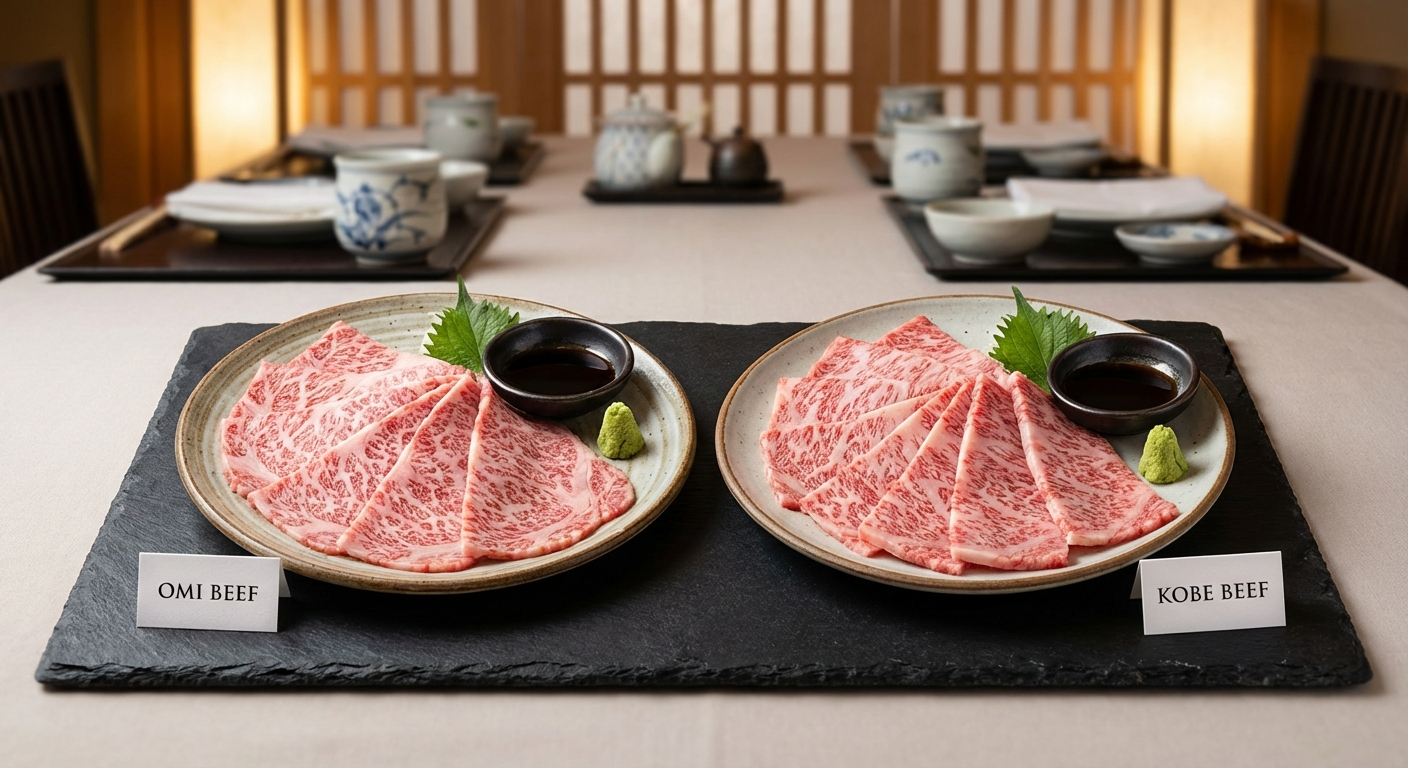
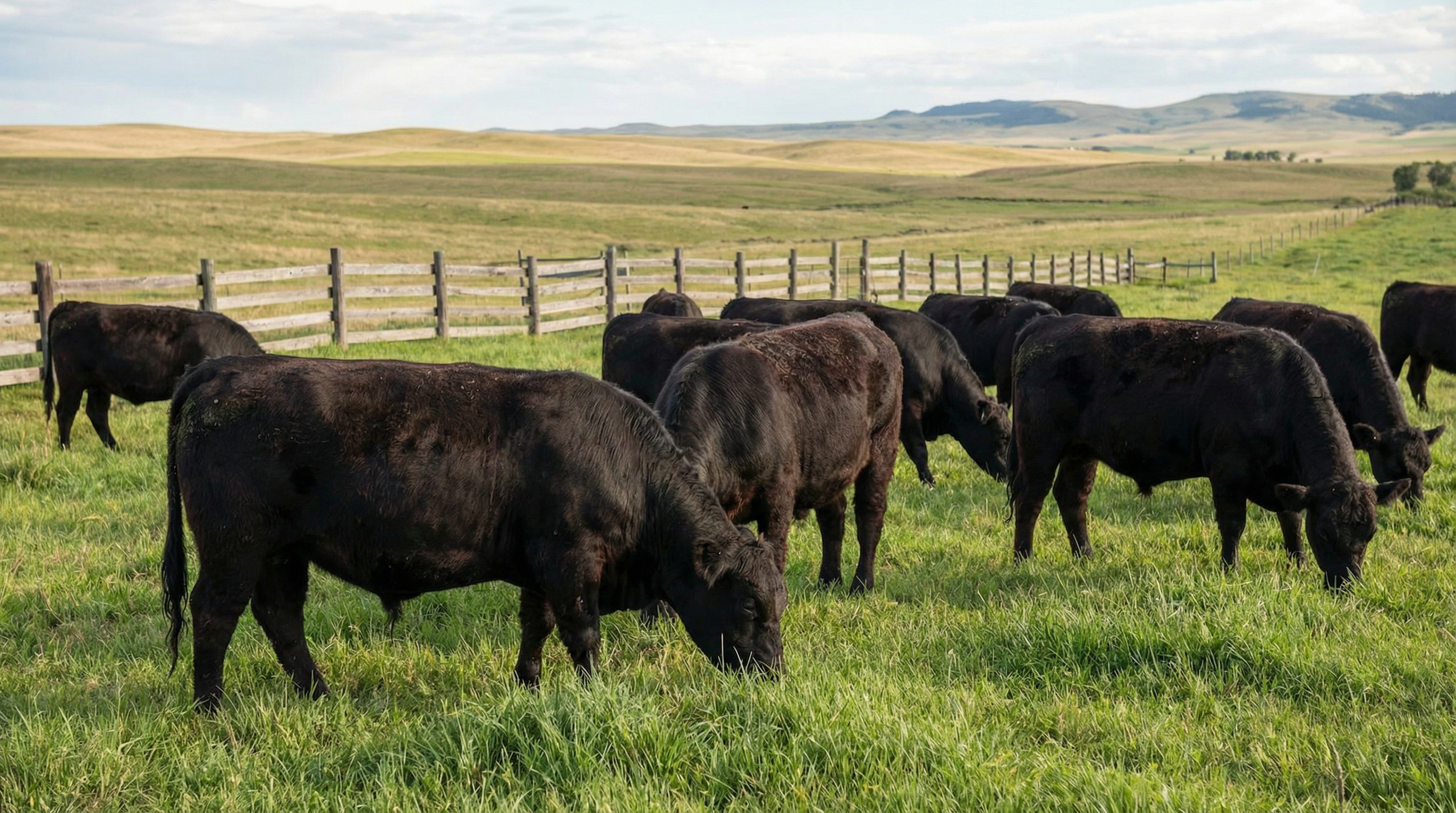
Wagyu refers to specific Japanese cattle breeds (primarily Japanese Black/Kuroge Washu) that are genetically predisposed to produce extreme intramuscular fat. The marbling in wagyu isn't created by feeding programs or aging — it's bred into the animal's DNA through centuries of selective breeding. A wagyu steak is special because of what the animal is.
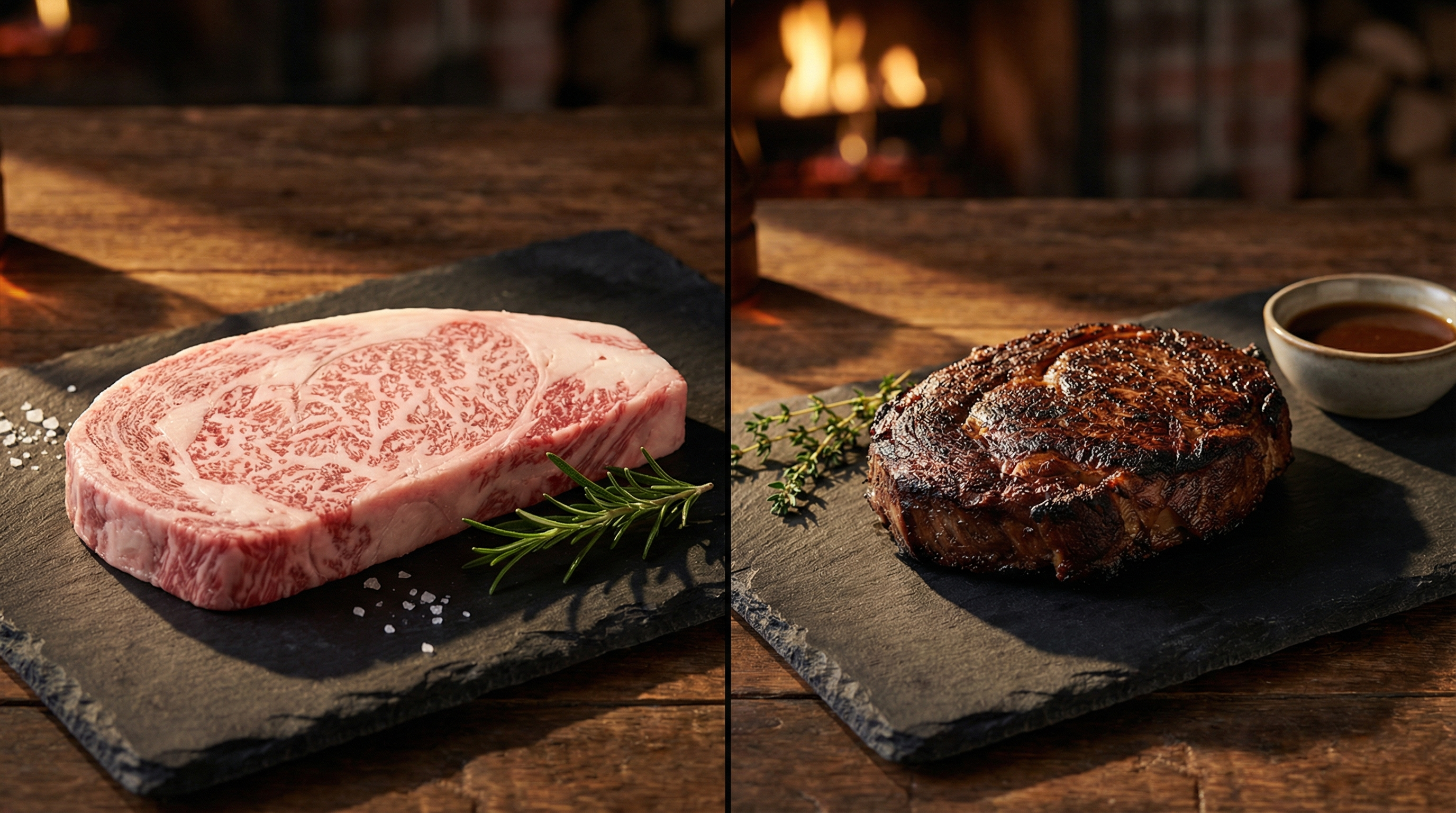
Dry aged beef refers to a post-harvest process where beef is stored in controlled temperature and humidity conditions for weeks or months. During this time, enzymes naturally present in the meat break down muscle fibers (increasing tenderness) while moisture evaporation concentrates flavor. Dry aged beef is special because of what's done to it after slaughter.
This distinction matters because any breed of cattle can be dry aged — including wagyu itself. They're not mutually exclusive categories. But when people compare "wagyu vs dry aged," they're typically comparing Japanese or American wagyu (served fresh or briefly wet-aged) against dry aged USDA Prime or Choice beef.
Marbling and Fat Content
This is where wagyu has no competition.
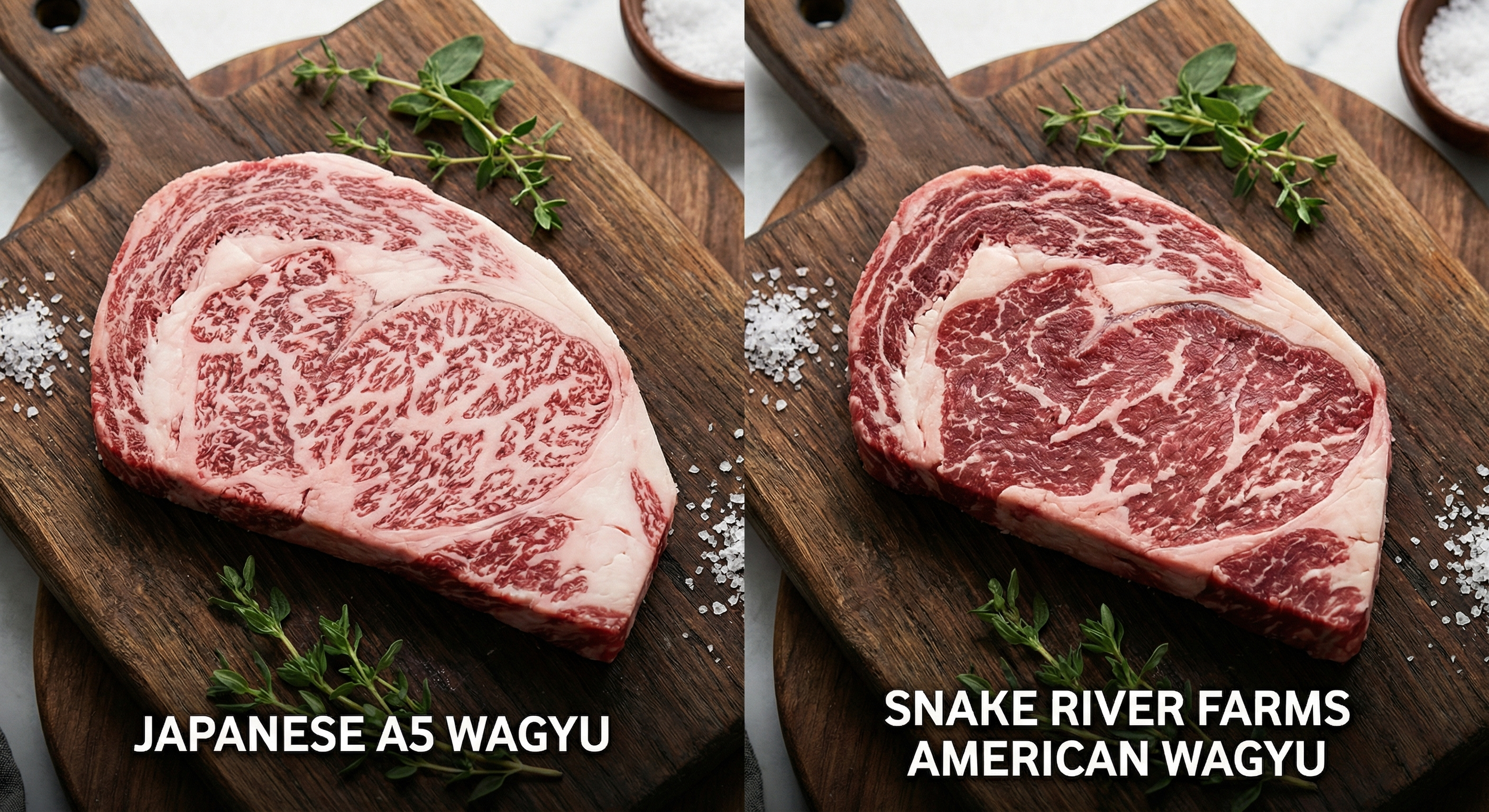
- Japanese A5 wagyu: BMS 8-12, with 25-40%+ intramuscular fat
- American wagyu (crossbred): BMS 6-9, with 12-20% intramuscular fat
- Dry aged USDA Prime: BMS 4-6 equivalent, with 8-13% intramuscular fat
- Dry aged USDA Choice: BMS 3-4 equivalent, with 4-8% intramuscular fat
Dry aging doesn't add marbling. The fat content in the meat is determined before the aging process begins. What dry aging does is concentrate the existing fat and flavor by removing moisture — so a dry aged Prime steak may taste richer than a fresh Prime steak, but it doesn't approach wagyu-level marbling.
If your primary criteria is melt-in-your-mouth richness and buttery fat content, wagyu wins decisively. No amount of aging can replicate what wagyu genetics produce.
Flavor Profile: Buttery vs Funky
This is where the comparison gets genuinely interesting, because both wagyu and dry aged beef deliver exceptional flavor — just in completely different directions.
Wagyu Flavor
High-grade wagyu (A4-A5) delivers:
- Intense buttery richness that coats the palate
- Sweet, almost floral notes from the oleic acid in wagyu fat
- A clean, pure beef flavor without gaminess
- Umami depth that lingers after each bite
- A relatively uniform flavor profile throughout the cut
Wagyu fat melts at a lower temperature than conventional beef fat (around 77°F vs 104°F+), which is why it literally dissolves on your tongue. The flavor experience is dominated by richness and sweetness.
Dry Aged Beef Flavor
Well-aged Prime beef (30-45 days) delivers:
- Concentrated, intensely "beefy" flavor — like beef turned up to 11
- Nutty, almost Parmesan-like notes from enzymatic breakdown
- Subtle funkiness that adds complexity without overwhelming
- A deeper, darker flavor compared to fresh beef
- Flavor that develops and changes as you chew
Longer-aged beef (60-120+ days) pushes further into funky, blue-cheese territory that's polarizing but beloved by enthusiasts. The aging process creates flavor compounds that simply don't exist in fresh meat of any breed.
The Verdict on Flavor
If you want richness and decadence, wagyu delivers. If you want depth and complexity, dry aged beef delivers. Many serious steak eaters prefer dry aged Prime over fresh wagyu specifically because they value concentrated beef flavor over buttery richness. Neither is objectively better — it's a legitimate matter of preference.
Texture and Tenderness
Both wagyu and dry aging produce remarkably tender beef, but the texture experience is quite different.
Wagyu texture: The extreme marbling in A5 wagyu creates a texture unlike any other meat. It's almost impossibly soft — many people describe it as "melting" rather than chewing. The fat lubricates every bite, and there's virtually no resistance. It's a luxurious sensation, but some steak lovers actually find it too soft. After a few ounces, the richness can become overwhelming.
Dry aged texture: Enzymatic breakdown during aging tenderizes the meat significantly, but you still have a satisfying "steak" texture. A 45-day dry aged Prime ribeye is tender but has body — you can sink your teeth into it. The exterior develops a concentrated crust when seared that contrasts beautifully with the tender interior. Most people can eat a full 16-ounce dry aged steak; very few can eat 16 ounces of A5 wagyu.
For portion size and overall steak satisfaction, dry aged beef is more practical. Wagyu's extreme richness limits most people to 4-6 ounce portions before palate fatigue sets in.
Price Comparison
Both are premium products, but the price ranges are quite different:
- Japanese A5 wagyu: $150-$300+ per pound
- American wagyu: $50-$120 per pound
- 45-day dry aged USDA Prime: $40-$80 per pound
- 30-day dry aged USDA Prime: $30-$55 per pound
- Dry aged USDA Choice: $20-$40 per pound
On a per-meal basis, the gap is even larger. A satisfying wagyu experience (4-6 oz of A5) costs $40-$100+ for the meat alone. A satisfying dry aged steak dinner (12-16 oz of Prime) costs $30-$80. Factoring in portion sizes, dry aged Prime often delivers more total satisfaction per dollar for a full dinner experience.
Cooking Approach
The two demand very different treatment in the kitchen.
Cooking Wagyu
High-grade wagyu requires minimal intervention. The fat content means overcooking is the primary risk — all that marbling will render out, leaving you with an expensive, greasy mess. Best practices:
- Slice thin (¼ inch) for yakiniku-style grilling or hot stone
- Or sear a thick steak very briefly — just enough for a crust
- No added oil needed (the beef provides its own)
- Simple seasoning: salt only, or salt and wasabi
- Serve immediately — wagyu cools and solidifies quickly
Cooking Dry Aged Beef
Dry aged steaks benefit from more aggressive cooking that develops their crust and concentrates flavor further:
- Thick cuts (1.5-2 inches) work best
- High heat sear in cast iron or over charcoal
- The dried exterior creates an exceptional crust
- Can handle a wider range of doneness (rare to medium)
- Resting is crucial — 8-10 minutes minimum for thick cuts
- Season generously with coarse salt; dry aged beef can handle bolder seasoning
Which Should You Choose?
The right choice depends entirely on what you're looking for:
Choose wagyu when:
- You want a special occasion luxury experience
- You prefer richness and buttery flavors over beef intensity
- You're serving small, impressive portions (tasting menu style)
- You want to impress guests with something truly extraordinary
- Budget is not the primary constraint
Choose dry aged beef when:
- You want the most intensely "beefy" steak possible
- You enjoy complex, developed flavors with nutty notes
- You want a full-sized steak dinner (12+ ounces)
- You value the satisfying texture of biting into a great steak
- You want premium quality at a more accessible price point
Choose dry aged wagyu when:
- You want the absolute pinnacle of steak and budget is no object
- You're a steak enthusiast who wants to experience the convergence of genetics and process
- You're celebrating something worth $200+ per portion
The Bottom Line
Wagyu and dry aged beef represent two different philosophies of premium steak. Wagyu says the animal's genetics are the ultimate determinant of quality. Dry aging says that time and process can transform good beef into something extraordinary. Both are right.
For most steak dinners, a well-sourced 45-day dry aged USDA Prime ribeye or strip delivers the most complete eating experience: deep flavor, satisfying texture, generous portion, and a price that — while not cheap — doesn't require a second mortgage. It's the workhorse of premium steak.
For special occasions where you want to experience something that exists nowhere else in the food world, A5 wagyu delivers a sensation that no amount of aging can replicate. That otherworldly marbling and melt-in-your-mouth richness is a category of its own.
The wisest steak lovers don't pick sides. They appreciate both for what they are and choose based on the occasion, their mood, and what their palate is craving that evening.