Wagyu vs Regular Beef: What Actually Makes It Different
Wagyu and regular beef come from different genetic worlds. Here's what actually changes between them — and whether the premium is justified.
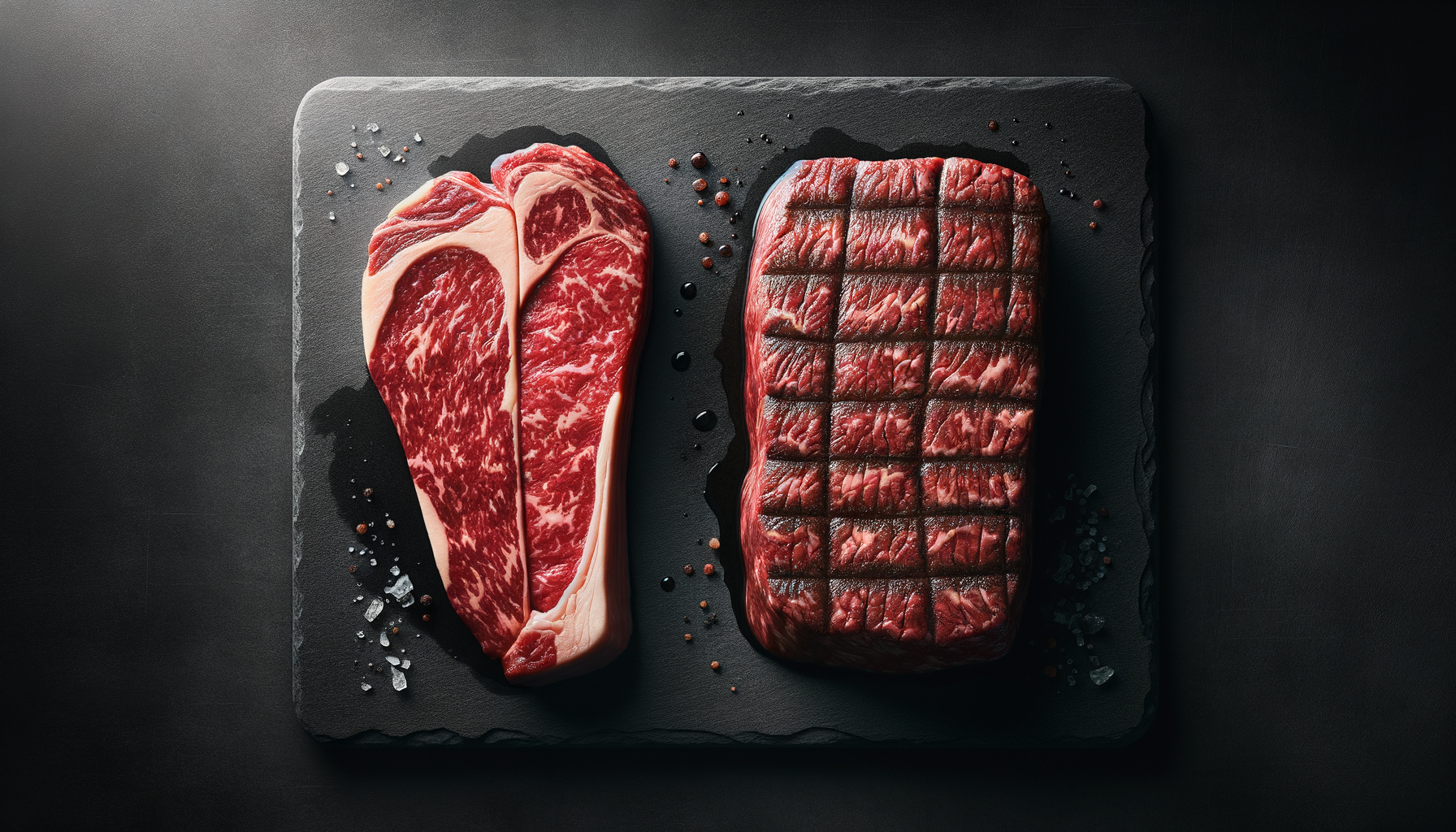
Wagyu beef commands 5x to 20x the price of standard grocery store beef. Is the difference real, or is it just marketing? The answer is both simpler and more nuanced than most people expect.
The gap between wagyu and regular beef comes down to genetics, feeding programs, and the resulting marbling — which fundamentally changes how the meat tastes, cooks, and feels in your mouth. Here's exactly what's different and what it means for your plate.
What "Regular Beef" Actually Means
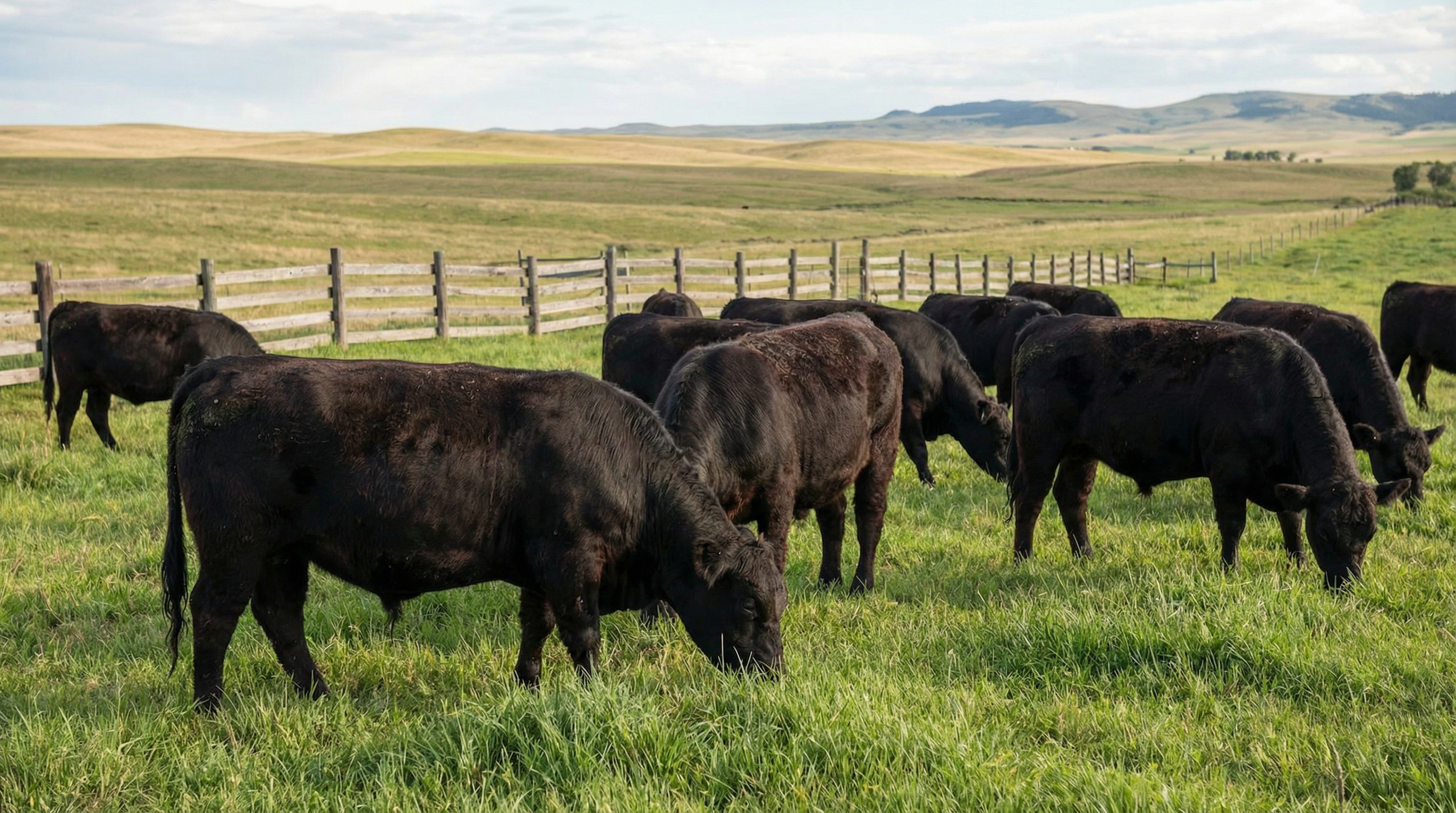
When we say "regular beef," we're talking about the vast majority of American beef: cattle from Angus, Hereford, Charolais, or mixed-breed herds, grain-finished for 90-150 days, and graded USDA Select or Choice. This accounts for roughly 85% of all beef sold in the United States.
Regular beef isn't bad beef. USDA Choice — the most common grade at quality butcher shops — has moderate marbling and delivers solid flavor when cooked properly. USDA Select, the standard at most grocery chains, is leaner with less intramuscular fat.
The key distinction: regular cattle breeds weren't selectively bred for marbling. Their genetics cap out at a certain level of intramuscular fat regardless of feeding program.
What Makes Wagyu Genetically Different
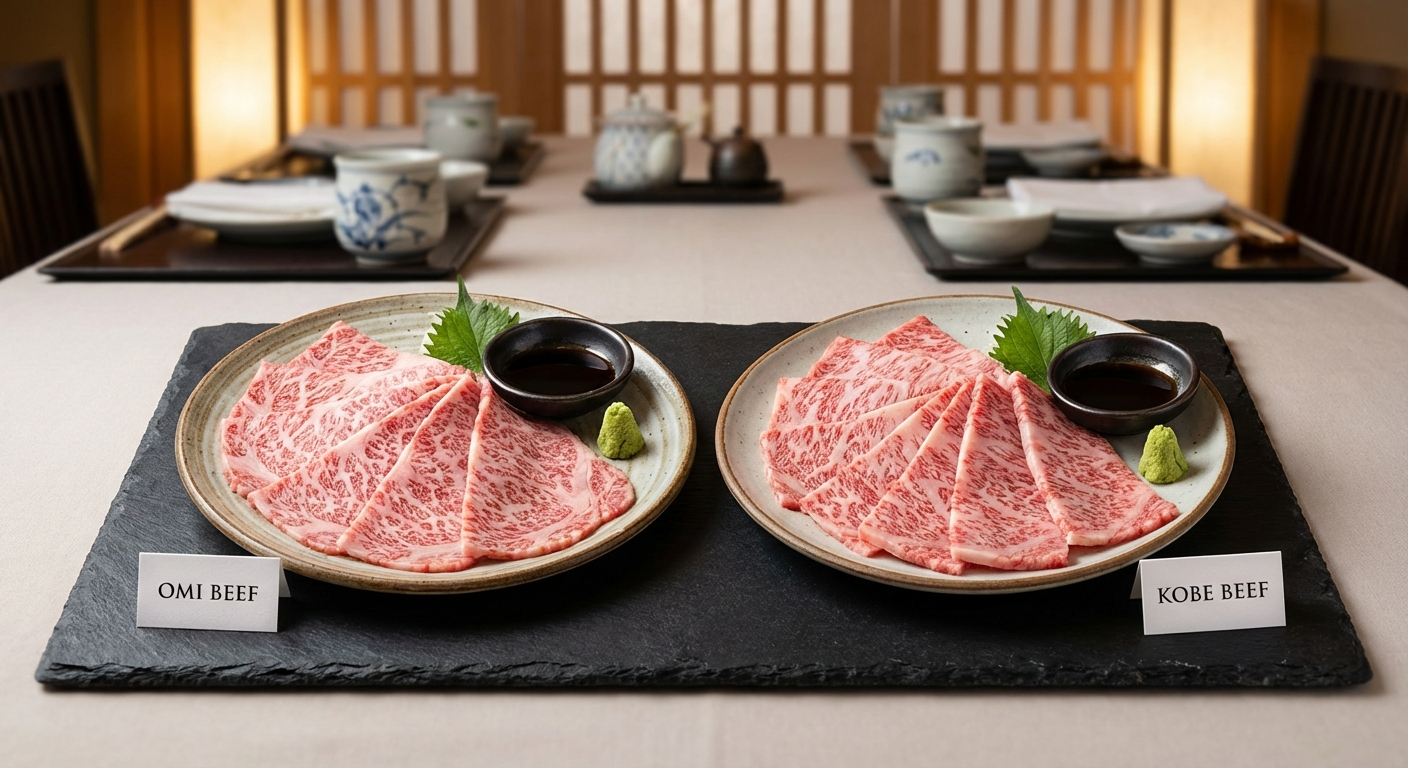
Wagyu cattle — specifically the Japanese Black (Kuroge Washu) breed that produces most premium wagyu — carry a genetic predisposition for extreme intramuscular fat deposition. This isn't a feeding trick or a marketing label. It's bred into the animal's DNA over centuries of selective breeding in Japan.
The result:
- Regular beef (USDA Choice): 4-7% intramuscular fat
- Regular beef (USDA Prime): 8-11% intramuscular fat
- American wagyu (crossbred): 12-20% intramuscular fat
- Japanese A5 wagyu (Fullblood): 25-40%+ intramuscular fat
That's not a subtle difference. Japanese A5 wagyu can contain 5-8x more intramuscular fat than a USDA Choice steak from the same cut.
Marbling: The Visible Difference
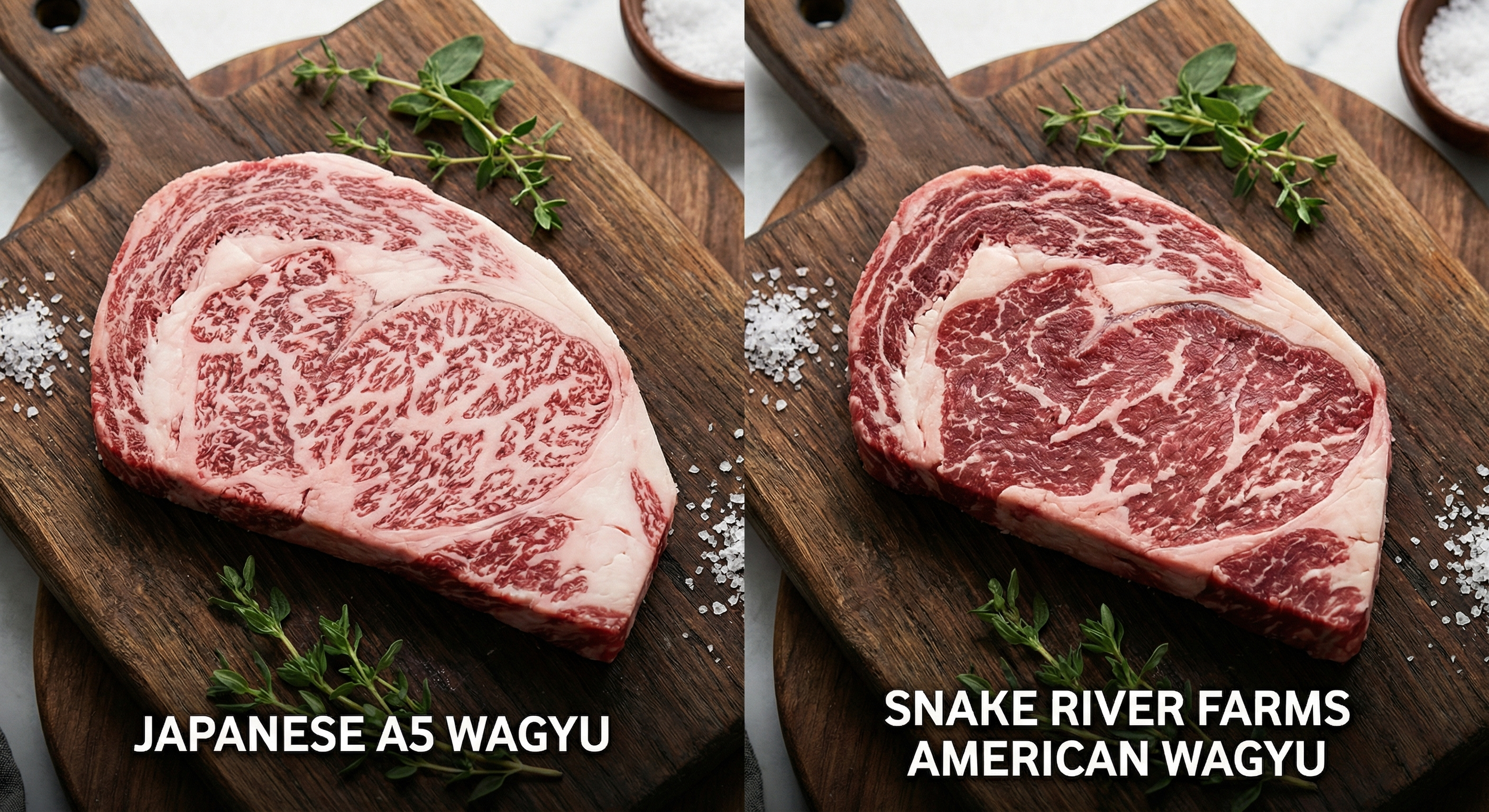
Marbling — the white streaks and flecks of fat running through the muscle — is the single most visible distinction between wagyu and regular beef.
Regular beef marbling appears as occasional thin streaks between muscle fibers. Even USDA Prime, the top 3-5% of American beef, shows moderate webbing of fat throughout the cut.
Wagyu marbling is fundamentally different in both quantity and distribution. In high-grade wagyu (BMS 8+), the fat is so finely distributed that the meat appears pink-white rather than deep red. The marbling isn't just more abundant — it's more evenly dispersed at a microscopic level, creating a completely different texture.
Japan uses the Beef Marbling Standard (BMS) scale of 1-12. Regular American beef, even USDA Prime, would score roughly BMS 4-5. Japanese A5 wagyu starts at BMS 8 and goes to 12. The visual difference is unmistakable.
Flavor: Rich Complexity vs Clean Beef Taste
This is where the practical difference matters most.
Regular Beef Flavor Profile
Good regular beef — a well-marbled USDA Choice or Prime steak — delivers what most people think of as "steak flavor": savory, mineral-rich, with iron notes and a clean beefy taste. The fat adds juiciness and some richness, but the dominant impression is of lean muscle with fat as a supporting element.
Wagyu Flavor Profile
Wagyu reverses the ratio. The intramuscular fat becomes the dominant flavor carrier, delivering:
- Butteriness: Wagyu fat has a lower melting point (around 77°F / 25°C for Japanese A5) compared to regular beef fat (around 104°F / 40°C). This means wagyu literally melts on your tongue.
- Sweetness: High-grade wagyu has a subtle natural sweetness absent from regular beef, driven by the fat composition and amino acid profile.
- Umami depth: The concentration of glutamates in wagyu is measurably higher, creating a more complex savory sensation.
- Lingering finish: Where regular beef flavor fades quickly, wagyu coats your palate and lingers for seconds after each bite.
The flavor difference between wagyu and regular beef is not incremental — it's categorical. They taste like related but fundamentally different foods.
Texture: Tender vs Melt-in-Your-Mouth
A properly cooked USDA Choice ribeye has satisfying chew with moderate tenderness. You know you're eating steak. It has resistance, grain, and substance.
A Japanese A5 wagyu ribeye at the same doneness (medium-rare) has almost no chew. The intramuscular fat has broken down the muscle fiber structure so thoroughly that the meat dissolves on contact. Many first-time wagyu eaters describe it as "beef butter" — it's closer to foie gras in texture than to conventional steak.
This texture difference explains why wagyu is typically served in smaller portions (3-5 oz vs 10-16 oz for regular steak). The richness is so intense that large portions become overwhelming rather than satisfying.
Nutrition: The Surprising Fat Story
Wagyu's higher fat content seems like a nutritional negative, but the composition tells a more interesting story:
- Monounsaturated fat: Wagyu contains a significantly higher percentage of monounsaturated fatty acids (MUFAs, primarily oleic acid — the same healthy fat in olive oil) compared to regular beef. Japanese A5 wagyu can be up to 55% MUFAs.
- Omega fatty acids: Wagyu has a more favorable omega-6 to omega-3 ratio than conventional grain-finished beef.
- Conjugated linoleic acid (CLA): Present at higher levels in wagyu, CLA has been studied for potential anti-inflammatory properties.
Per serving (remembering wagyu portions are smaller), the caloric difference narrows. A 4 oz serving of A5 wagyu and a 12 oz regular ribeye deliver comparable total calories — you're just getting them from a very different fat profile.
Price: What the Premium Actually Buys
The price gap is the elephant in the room:
- USDA Choice ribeye: $15-25/lb
- USDA Prime ribeye: $30-50/lb
- American wagyu ribeye (crossbred): $60-100/lb
- Australian Fullblood wagyu ribeye: $80-150/lb
- Japanese A5 wagyu ribeye: $150-300/lb
What drives these prices? Wagyu cattle take 28-36 months to finish (vs 14-18 months for regular cattle), eat specialized diets, produce fewer pounds of sellable beef per animal, and represent generations of genetic selection. Japanese A5 adds import logistics, strict certification, and limited export volume.
The premium buys a genuinely different product — but whether that difference justifies the cost depends entirely on your priorities and occasion.
Cooking: Different Products Need Different Approaches
You cannot cook wagyu and regular beef the same way and expect good results.
Regular Beef
- Sear hard in a ripping hot cast iron or over direct flame
- Season generously — salt, pepper, garlic, herbs all enhance the flavor
- Cook to medium-rare or medium (130-140°F internal)
- Rest 5-10 minutes to redistribute juices
- Serve in generous portions (10-16 oz is standard)
Wagyu (BMS 6+)
- Light sear — the abundant fat provides its own rendering and browning
- Minimal seasoning — salt only, maybe a touch of wasabi or soy for Japanese wagyu
- Cook to rare or medium-rare maximum (125-135°F) — overcooking renders out the precious fat
- Slice thin against the grain
- Serve in small portions (3-5 oz) — richness demands restraint
The biggest mistake people make with wagyu is treating it like a regular steak: thick cut, heavy sear, heavy seasoning, big portion. This overwhelms the delicate flavor profile and wastes what makes wagyu special.
When Regular Beef Is the Better Choice
Wagyu isn't always the right call:
- Weeknight dinners: A well-cooked USDA Choice strip steak is an excellent meal. Save wagyu for occasions.
- Grilling for a crowd: Regular steaks handle high heat and varied doneness preferences better.
- Burgers and ground beef: American wagyu ground makes incredible burgers, but for everyday use, regular 80/20 ground beef is perfectly adequate.
- Stews and braises: Long cooking dissolves marbling differences. Regular chuck or short ribs braise beautifully.
- When you want a "steak experience": Some people prefer the chew and beefy punch of a Prime ribeye over wagyu's buttery richness. That's not wrong — it's preference.
When Wagyu Is Worth Every Dollar
- Special occasions: Anniversary dinner, milestone celebration — a few ounces of A5 creates a genuinely memorable experience.
- Exploring beef at its peak: If you love beef and haven't tried real wagyu, it's worth experiencing at least once.
- Small, focused meals: A 4 oz wagyu portion with simple sides can be more satisfying than a 16 oz regular steak dinner.
- Gifts for food lovers: Premium wagyu is one of the most impactful food gifts you can give.
The Bottom Line
Wagyu and regular beef aren't competing — they're different products for different moments. Regular beef is daily sustenance done well. Wagyu is a luxury ingredient that delivers a fundamentally different eating experience through genetics, not gimmicks.
The difference is real. Whether the premium is "worth it" depends on what you're celebrating, who you're feeding, and how much that singular taste experience matters to you.
Ready to taste the difference? Browse Japanese A5 Wagyu or start with Australian Wagyu for an accessible entry point into premium wagyu beef.